Cottage Cheese Toast with Tomato and Basil
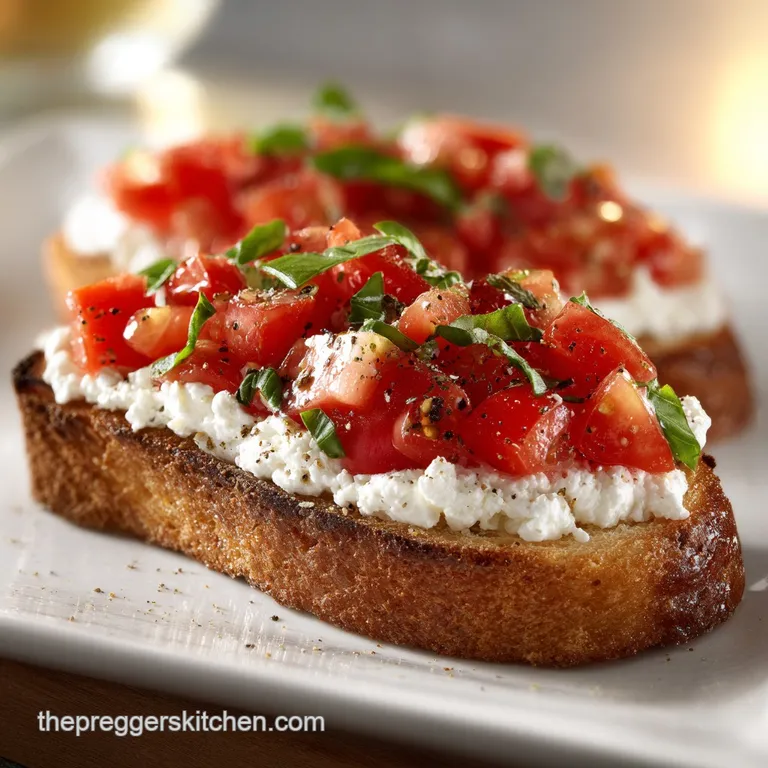
- Time: Active 7 minutes, Passive 3 minutes, Total 10 minutes
- Flavor/Texture Hook: A velvety, cool cheese base meets a warm, shattering sourdough crust with herbaceous notes.
- Perfect for: Busy mornings requiring sustained energy or a folate packed post workout recovery meal.
- Achieving the Perfect Cottage Cheese Toast with Tomato and Basil
- Science of Texture and Nutrient Synergy
- Precise Metrics for Meal Success
- Component Analysis of Wholesome Elements
- Essential Tools for Culinary Precision
- Executing Assembly with Professional Accuracy
- Correcting Texture and Flavor Disparities
- Creative Adaptations for Dietary Objectives
- Debunking Common Toasting Misconceptions
- Optimizing Freshness through Strategic Storage
- Presentation Strategies for Sensory Engagement
- High in Sodium
- Recipe FAQs
- 📝 Recipe Card
Achieving the Perfect Cottage Cheese Toast with Tomato and Basil
I still remember the first time I moved beyond plain buttered toast. It was a Tuesday morning, I was running late, and I had a half empty tub of cottage cheese staring at me from the fridge.
I decided to smear it onto a thick slice of sourdough, topped it with some stray cherry tomatoes, and that first bite changed everything. The way the cold, creamy curds hit the warm, rough surface of the bread was a revelation in textures that I hadn't expected from such humble ingredients.
But let's be honest, we've all had that sad, soggy piece of toast where the tomato juice seeps into the crumb, turning your breakfast into a literal sponge. I spent a few weeks tinkering with the order of operations to prevent that exact disaster.
This cottage cheese toast idea with tomato and basil isn't just about putting things on bread; it's about the architectural integrity of the toast itself. We want that "shatter" when you bite into it, followed by the velvety smoothness of the cheese.
By focusing on a few precision techniques like the garlic rub and the moisture barrier you turn a basic cheese toast idea with tomato and basil into a professional level meal. This version is folate packed and designed for those who appreciate the science of a well constructed bite.
It’s light yet incredibly satisfying, providing a steady release of energy without the mid morning sugar crash.
Science of Texture and Nutrient Synergy
The success of this toast relies on managing moisture and maximizing the bioavailability of nutrients. When we toast sourdough, we aren't just making it brown; we are initiating the Maillard reaction, which creates complex flavor molecules and a rigid structure that can support heavy toppings.
- Capillary Action Control: Sourdough's large, irregular holes can trap moisture, but rubbing the surface with raw garlic creates a microscopic oily film that helps repel liquid from the cheese.
- Protein Matrix Stability: Using full fat cottage cheese provides a stable emulsion of fats and proteins that resists "weeping" better than low-fat versions, keeping the bread crisp for longer.
- Lycopene Optimization: While raw tomatoes are iron rich and vitamin heavy, the addition of extra virgin olive oil helps your body absorb the fat soluble lycopene found in the tomato skins.
- Starch Retrogradation: Toasting "resets" the starch molecules in the bread, transforming a soft crumb into a structural foundation that provides a satisfying, audible crunch.
| Cooking Method | Total Time | Texture Outcome | Best For |
|---|---|---|---|
| Cast Iron Skillet | 4 minutes | Deeply charred, uneven crunch | Maximum flavor depth |
| Conventional Oven | 8 minutes | Evenly dried, very rigid | Multiple servings at once |
| Standard Toaster | 3 minutes | Quick, uniform browning | Busy weekday mornings |
Choosing the right method depends on your sensory preference. If you enjoy a more rustic, smoky flavor, the skillet is the way to go, as it allows for localized caramelization of the sourdough sugars. For a more uniform, cracker like base, the oven method excels by removing more internal moisture from the bread.
Precise Metrics for Meal Success
To ensure a nutrient dense outcome every time, we look at the specific ratios of fat to protein. This isn't just about topping a slice of bread; it's about creating a balanced physiological response to your meal.
We use 115g of cottage cheese because it provides a significant protein hit without overwhelming the 80g sourdough base.
| Component | Science Role | Pro Secret |
|---|---|---|
| Sourdough (80g) | Structural base | Use a 1 inch thick slice for a "sturdy" foundation. |
| Cottage Cheese (115g) | Protein source | Small curd provides a more even spread and better "mouthfeel." |
| Fresh Garlic | Flavor catalyst | Rub only after toasting to release sulfur compounds without bitterness. |
| Heirloom Tomatoes | Acid balance | Slice them 5 minutes early and salt them to draw out excess water. |
Precision in the thickness of your bread is vital. If the slice is too thin, the weight of the tomatoes will cause it to buckle. If it's too thick, you lose the ratio of creamy topping to crunchy base. Aim for exactly one inch to achieve that perfect structural equilibrium.
Component Analysis of Wholesome Elements
Every ingredient in this recipe serves a specific functional purpose. I always recommend sourdough because the long fermentation process breaks down gluten and phytic acid, making it easier on the gut and increasing the absorption of minerals.
- 2 thick slices Sourdough bread (80g): The fermented foundation. Why this? Provides a tangy contrast and a sturdy, low glycemic structural base.
- 1 clove fresh garlic, peeled: The aromatic barrier. Why this? Rubbing raw garlic onto hot toast adds pungency and a moisture repelling layer.
- 0.5 cup full fat small curd cottage cheese (115g): The protein powerhouse. Why this? Small curds offer better coverage and a velvety texture compared to large curds.
- 100g fresh heirloom or cherry tomatoes: The antioxidant source. Why this? Heirloom varieties offer higher mineral content and complex acidity levels.
- 5 leaves fresh basil, chiffonade: The herbaceous finish. Why this? Essential oils in basil provide a bright, peppery top note.
- 1 tsp extra virgin olive oil: The healthy fat. Why this? Enhances the absorption of fat soluble vitamins from the tomatoes.
- 0.5 tsp balsamic glaze: The umami booster. Why this? Adds a concentrated sweetness that cuts through the creamy cheese.
- 0.125 tsp flaky sea salt: The texture enhancer. Why this? Provides a targeted "pop" of flavor without over salting the entire dish.
- 0.125 tsp fresh cracked black pepper: The digestive aid. Why this? Piperine in pepper helps with nutrient absorption and adds subtle heat.
If you find yourself out of sourdough, a sprouted grain bread is an excellent wholesome substitute. It offers a similar density and an even higher protein to carb ratio, which is great if you're looking for a Roasted Chickpea Snack Recipe kind of vibe in your breakfast.
Essential Tools for Culinary Precision
You don't need a high end kitchen for this, but a few specific tools will make the process much more efficient. A serrated knife is non negotiable for the sourdough; using a straight blade will compress those beautiful air pockets we worked so hard to preserve.
For the tomatoes, a small offset spatula or even a wide butter knife works best for spreading the cottage cheese. You want to avoid "churning" the cheese into the bread. Instead, think of it as laying a blanket over the surface.
If you are preparing a larger batch, a parchment lined baking sheet is the most effective way to toast multiple slices simultaneously while keeping the kitchen cool.
Executing Assembly with Professional Accuracy
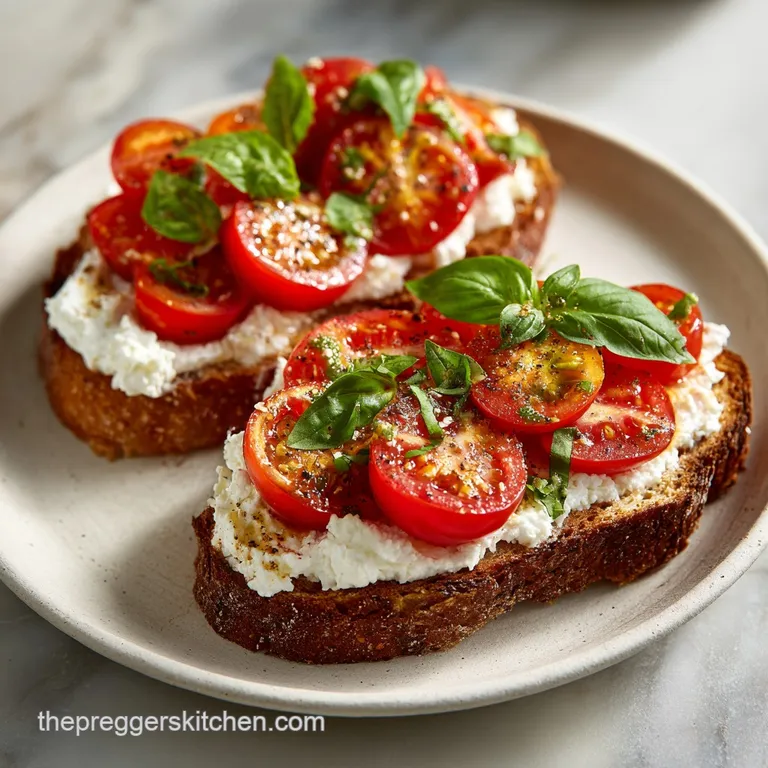
- Toast the Sourdough. Heat your toaster or skillet until the 80g of bread reaches a deep golden brown. Note: You want a firm, rigid surface that won't yield to the weight of the cheese.
- Infuse the Garlic. Immediately rub the 1 peeled garlic clove over the rough surface of the hot toast until the clove is visibly worn down.
- Prep the Produce. Slice the 100g of tomatoes into uniform rounds or halves. Note: Patting them with a paper towel removes surface moisture that leads to sogginess.
- Spread the Base. Layer the 115g (0.5 cup) of cottage cheese evenly over the garlic rubbed toast.
- Arrange the Tomatoes. Place the tomatoes on top of the cheese in a single layer. until the white cheese is mostly covered.
- Chiffonade the Basil. Stack the 5 basil leaves, roll them tightly, and slice into thin ribbons.
- Apply the Liquids. Drizzle the 1 tsp of olive oil and 0.5 tsp of balsamic glaze in a zigzag motion.
- Final Seasoning. Sprinkle the 0.125 tsp of flaky sea salt and cracked pepper until the colors of the tomato pop.
The temperature contrast is the secret here. You want the bread to still be radiating heat while the cottage cheese remains cold. This sensory experience is what makes this toast idea with tomato and basil so much better than a standard sandwich.
It’s a delicate dance between the hot, crunchy base and the cool, creamy topping.
Correcting Texture and Flavor Disparities
The most common issue I hear about is the "soggy bottom." This usually happens if you wait too long between toasting and assembly, or if your tomatoes are particularly juicy. If you're using very ripe heirlooms, try deseeded slices to minimize the liquid content.
Your Toast Is Soggy
This typically happens when the steam from the hot bread gets trapped between the plate and the toast. Always place your toast on a wire rack for 30 seconds before adding the cheese to let the steam escape.
The Flavor Is Dull
If it tastes "flat," you likely missed the garlic rub or didn't use enough salt. Salt is a flavor magnifier; without it, the cottage cheese and tomatoes won't sing. A tiny squeeze of lemon juice over the tomatoes can also brighten the entire profile.
| Problem | Root Cause | Solution |
|---|---|---|
| Watery Cheese | low-fat or low quality cheese | Drain the cottage cheese in a fine mesh sieve for 2 minutes. |
| Burnt Garlic | Rubbing bread that is too hot | Wait 10 seconds after toasting before rubbing the garlic. |
| Basil Turning Black | Bruising the leaves | Use a very sharp knife and slice once; don't "saw" through the leaves. |
Common Mistakes Checklist:
- ✓ Never use "pre toasted" bread from a bag; the texture is too uniform and lacks the necessary "shatter."
- ✓ Don't skip the olive oil; it's essential for the nutrient absorption of the tomato's lycopene.
- ✓ Avoid low-fat cottage cheese as it contains more stabilizers and water, leading to a thinner consistency.
- ✓ Ensure the basil is added last so the balsamic glaze doesn't wilt the delicate leaves immediately.
- ✓ Preheat your skillet for a full 3 minutes if using the stovetop method to ensure an even sear.
Creative Adaptations for Dietary Objectives
If you're looking for a bit of variety, this toast is a fantastic canvas. Sometimes I want a bit more sweetness, similar to the profile of a Peanut Butter Banana recipe, though obviously in a savory direction.
- For a Spicy Kick: Add a pinch of red pepper flakes or a drizzle of hot honey over the finished toast.
- For a Vegan Swap: Use a fermented almond based "cheese" or a thick layer of hummus. Note: This will change the protein profile but keeps the Mediterranean vibe.
- For Extra Protein: Top with a soft poached egg. The yolk creates a rich sauce that melds perfectly with the balsamic.
- For a Low Carb Option: Replace the sourdough with a large, roasted Portobello mushroom cap as the "toast."
If you need to scale this up for a brunch, remember that the spices and oils don't double linearly. For 4 people, I usually only use 1.5x the salt and pepper to avoid over seasoning.
When toasting 8 slices of sourdough at once, lower your oven temp by 25°F (15°C) and extend the time slightly to ensure they all dry out evenly without burning the edges.
Debunking Common Toasting Misconceptions
There is a huge myth that cottage cheese is "boring" or only for "dieting." In reality, it's a fermented dairy product that offers a complex, slightly acidic flavor profile that rivals many soft cheeses. Another common misconception is that all bread is created equal.
Using a true, long ferment sourdough actually lowers the glycemic index of the meal, preventing the insulin spikes associated with white "sandwich" bread.
People also often think that "fresh" basil means "more." Actually, basil is very potent. Using more than 5-6 leaves per slice can overpower the delicate acidity of the heirloom tomatoes. It's about balance, not abundance.
Optimizing Freshness through Strategic Storage
This is a "right now" kind of meal. The physics of moisture migration means that once the cheese hits the toast, the clock is ticking. However, you can prep the components to make assembly take less than 2 minutes.
- Storage: Keep cottage cheese in its original container in the fridge for up to 5 days after opening. Do not freeze it, as the curds will lose their structural integrity and become grainy upon thawing.
- Basil Prep: Store fresh basil at room temperature in a jar of water (like flowers). Putting it in the fridge will cause the leaves to turn black within hours.
- Zero Waste: Don't throw away those tomato scraps! Dice them up with any leftover basil stems and toss them into a simple vinaigrette for a quick salad later.
- Sourdough Longevity: Sourdough keeps well on the counter for 3 days, but for longer storage, slice it and freeze it with parchment paper between slices. You can toast it directly from the freezer!
Presentation Strategies for Sensory Engagement
We eat with our eyes first, especially with a dish as vibrant as this. I love using heirloom tomatoes because the mix of purples, yellows, and deep reds looks stunning against the white cottage cheese. When you apply the balsamic glaze, try to make thin, elegant lines rather than one big puddle.
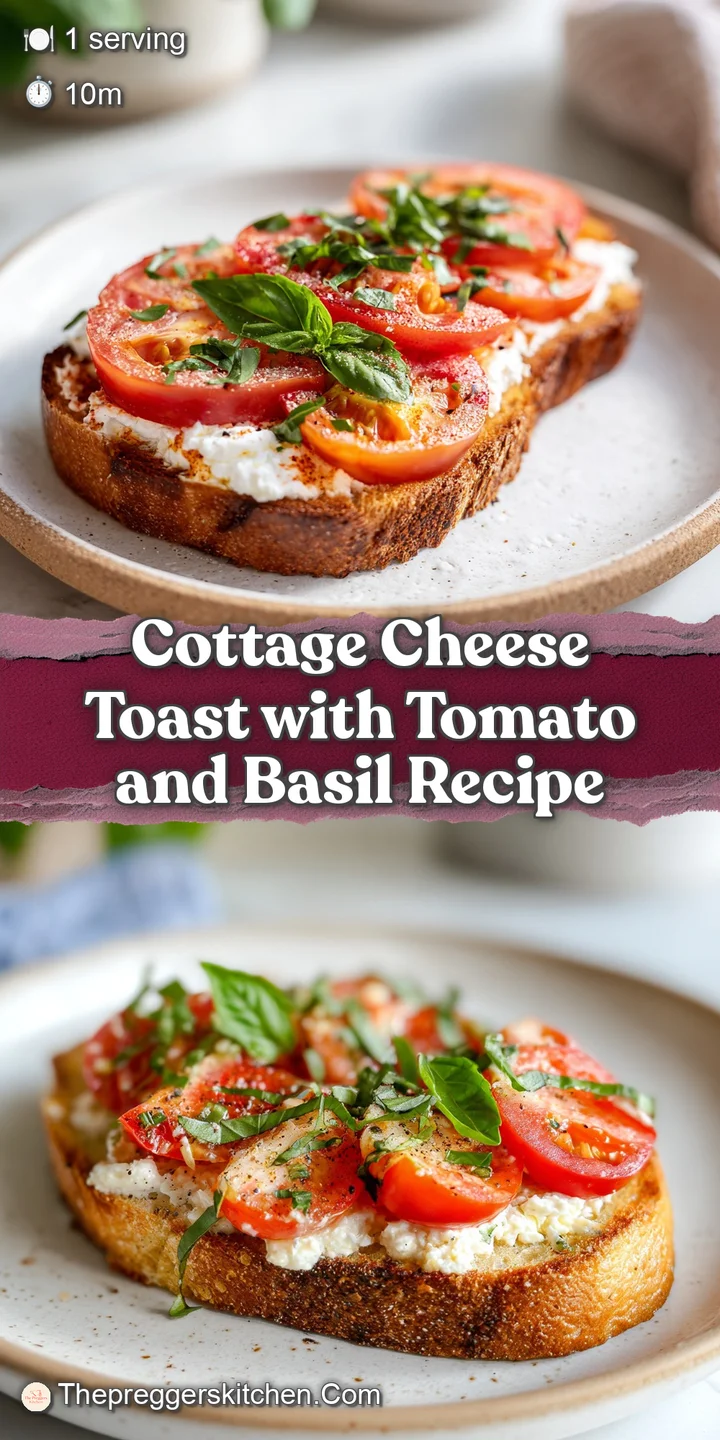
Serve this on a flat, wooden board or a slate plate if you have one. The dark background makes the colors of the tomato and basil pop. It’s a simple cottage cheese toast idea with tomato and basil that looks like it came out of a high end bistro but took you less than ten minutes to assemble. Whether you're fueling up for a long day or just treating yourself to a wholesome lunch, this recipe delivers on every promise of flavor and nutrition. For more quick morning ideas, you might also enjoy my Peanut Butter Banana recipe for a sweet alternative.
High in Sodium
945 mg mg of sodium per serving (41% % of daily value)
The American Heart Association recommends limiting sodium intake to about 2,300mg per day for overall cardiovascular health.
Smart Swaps to Lower Sodium
-
Low-Sodium Cottage Cheese-15%
Swap your regular cottage cheese for a low-sodium variety. This can significantly reduce the overall sodium content, as cottage cheese is a major contributor in this recipe.
-
Reduce Added Salt-25%
Eliminate or drastically reduce the flaky sea salt. Taste the dish before adding any salt, as the other ingredients provide some natural saltiness.
-
Choose Low-Sodium Bread-10%
Sourdough bread can be high in sodium. Opt for a low-sodium bread option or reduce the portion size of the sourdough used.
-
Fresh is Best-5%
Ensure your tomatoes are fresh and not preserved or pre-seasoned. Canned or marinated tomatoes often contain added salt.
-
Herb Power!
Experiment with fresh herbs and spices like garlic, basil, and pepper to enhance flavor without adding sodium.
Recipe FAQs
Can I substitute the sourdough bread with standard white bread?
No, this is highly discouraged for texture. Standard white bread lacks the structural integrity and fermentation required to hold the moisture from the cottage cheese and tomatoes without immediately turning soggy.
How to prevent the toast from becoming soggy after assembly?
Rub the hot toast immediately with a raw garlic clove. This creates a microscopic oil barrier that repels moisture from the cheese, allowing the bread's crunch to persist longer.
Is it necessary to use full fat cottage cheese for this recipe?
No, but it is recommended for superior texture. Full fat curds contain a more stable fat and protein matrix, resisting the tendency to "weep" excess water compared to lower fat versions.
How do I ensure maximum flavor when adding the basil?
Slice the basil into a chiffonade just before serving. Roll the leaves tightly and slice thinly; this technique releases the essential oils best without bruising the herbs, similar to how you treat aromatics when building flavor in a Pregnancy Safe Caesar recipe.
What is the best way to maximize nutrient absorption from the tomatoes?
Drizzle the tomatoes with olive oil before seasoning. This is crucial because lycopene, the primary antioxidant in tomatoes, is fat-soluble and requires dietary fat for optimal absorption by the body.
How long can the assembled toast sit before it loses its desirable texture?
Aim to eat it within 5 minutes of final assembly. This recipe relies on the thermal contrast between the hot toast and the cold cheese, which degrades rapidly as moisture migrates.
Can I use low protein cottage cheese if I prefer a lighter meal?
Yes, but you risk a thinner spread. If you choose low-protein varieties, consider draining them in a fine mesh sieve for a few minutes first to reduce inherent water content, similar to what we do when preparing a High Protein Vegetarian recipe base.
Cottage Cheese Tomato Basil Toast
Ingredients:
Instructions:
Nutrition Facts:
| Calories | 419 kcal |
|---|---|
| Protein | 22.1 g |
| Fat | 10.8 g |
| Carbs | 56.4 g |
| Fiber | 3.2 g |
| Sugar | 6.1 g |
| Sodium | 945 mg |
