Decaf Chai Latte Recipe at Home with Whole Spices
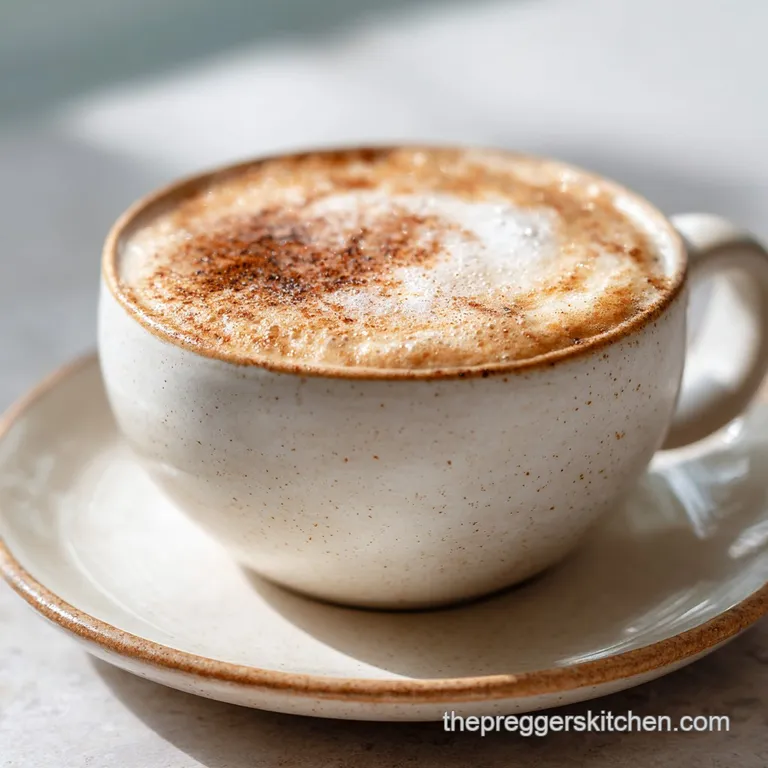
- Time: Active 2 minutes, Passive 8 minutes, Total 10 minutes
- Flavor/Texture Hook: Velvety mouthfeel with a sharp, peppery finish
- Perfect for: A calming evening ritual or a caffeine sensitive morning treat
- Mastering the Ultimate Decaf Chai Latte Recipe at Home
- The Molecular Chemistry of Spice and Steam
- Precision Metrics for the Best Brew Results
- Selecting Nutrient Dense Elements for Maximum Flavor
- Essential Tools for a Professional Home Steeper
- Step by Step Method for a Velvety Finish
- Solving Common Texture and Extraction Hurdles
- Adjusting Ratios for Crowd Pleasing Batches
- Myths About Decaf Tea and Spices
- Preservation Methods and Repurposing Spent Spices
- Perfect Pairings to Complement Your Spiced Cup
- Recipe FAQs
- 📝 Recipe Card
Mastering the Ultimate Decaf Chai Latte Recipe at Home
There is a specific kind of magic that happens when a cinnamon stick hits simmering water and that first puff of spiced steam hits your face. I remember the first time I tried to recreate this at home, I was so impatient that I just threw some ground cinnamon into a mug of hot milk.
It was a gritty, disappointing mess that tasted more like dust than a drink. Since then, I've spent countless rainy afternoons refining the timing and the spice ratios to get that authentic, heavy bottomed pot simmer just right.
This decaf chai latte recipe at home isn't just a substitute for the caffeine laden version, it’s a full sensory experience. We’re looking for that specific point where the ginger's bite meets the softness of the maple syrup.
Whether you're avoiding caffeine for wellness reasons or you just want a cozy beverage before bed that won't keep you staring at the ceiling, this method delivers a wholesome, nutrient dense cup every single time.
We’re going to focus on the "decoction" method today. Instead of just steeping a tea bag in hot water, we are actually boiling the aromatics to pull out every bit of their volatile oils.
It’s the difference between a drink that tastes like spiced water and one that feels like a warm hug for your nervous system. Trust me, once you smell the cardamom cracking in the pan, you'll never go back to the powdered mixes again.
The Molecular Chemistry of Spice and Steam
Thermal Volatilization: Simmering whole spices in water before adding milk allows the heat to break down tough plant cell walls, releasing fat soluble essential oils into the liquid. This ensures the flavor is integrated into the water base rather than just floating on top of the milk.
| Method | Time | Texture | Best For |
|---|---|---|---|
| Fast Steep | 4 mins | Light and thin | Quick afternoon break |
| Classic Decoction | 10 mins | Rich and full bodied | Authentic flavor seekers |
| Cold Infusion | 12 hrs | Mild and floral | Iced chai latte versions |
Selecting the right method depends on how much time you have, but for this decaf chai latte recipe at home, the classic decoction provides the most professional result. The extra few minutes spent simmering the ginger and cardamom pods makes a massive difference in the final depth of the beverage.
Precision Metrics for the Best Brew Results
| Component | Science Role | Pro Secret |
|---|---|---|
| Decaf Black Tea | Provides the tannic structure and base body. | Squeeze the bags gently at the end for extra color. |
| Fresh Ginger | Contains gingerol which adds a sharp, warming heat. | Slice thin to maximize the surface area for extraction. |
| Whole Milk | Fat molecules carry the spice flavors across the palate. | Use cold milk to allow for a longer frothing window. |
| Green Cardamom | Adds floral, citrusy notes that brighten the cup. | Always crack the pods to expose the black seeds inside. |
Achieving a consistent result requires paying attention to these small details. For instance, the black peppercorns might seem like a small addition, but the piperine they contain actually works synergistically with the other spices to enhance the overall warmth of the drink.
Selecting Nutrient Dense Elements for Maximum Flavor
To make the best version of this recipe, we need to be picky about our building blocks. Here is exactly what you will need:
- 1 cup filtered water: Use filtered water to ensure no chlorine aftertaste interferes with the spices. Why this? Clean water allows the subtle floral notes of cardamom to shine through.
- 2 decaf black tea bags: Look for a "Ceylon" or "Assam" decaf for a sturdier flavor profile. Why this? Decaf black tea provides the necessary astringency without the stimulant effects.
- 1 cinnamon stick: Whole sticks provide a cleaner, clearer infusion than ground powder. Why this? It adds sweetness without the grit of ground cinnamon.
- 3 green cardamom pods, lightly cracked: These are the "heart" of any authentic chai. Why this? Cracking them releases the intensely aromatic essential oils.
- 2 whole cloves: A little goes a long way with these potent little pods. Why this? They provide a deep, earthy base note to the blend.
- 0.5 inch fresh ginger, thinly sliced: Fresh is non negotiable here for that signature "zing." Why this? Dried ginger lacks the vibrant, spicy juice of the fresh root.
- 1 pinch black peppercorns: Just a few to add a subtle back of-the throat warmth. Why this? Pepper rounds out the sweetness of the milk and maple.
- 0.75 cup whole milk: This provides the velvety mouthfeel we're after. Why this? Higher fat content emulsifies better with the tea tannins.
- 2 tsp pure maple syrup: A wholesome sweetener that complements the spices. Why this? Maple has a lower glycemic index and a rich, woody flavor.
- 1 pinch ground nutmeg for garnish: This is for the final aromatic finish. Why this? It hits the nose first, setting the stage for the first sip.
Essential Tools for a Professional Home Steeper
You don't need a high end espresso machine, but a few specific tools will make your life much easier. I always use a small, heavy bottomed stainless steel saucepan. The heavy base prevents the milk from scorching on the bottom, which is a total mood killer for a latte.
You'll also need a fine mesh strainer. Since we are using whole spices and sliced ginger, you want to make sure none of those "bits" end up in your mug. A small whisk or a handheld milk frother is the secret weapon for getting that airy, cloud like foam on top.
If you're feeling fancy, a microplane for the fresh nutmeg garnish is a great addition, but a simple pinch from a jar works too.
Chef Tip: Freeze your ginger root and grate it while frozen if you don't want to slice it. This releases even more juice into the water and makes it easier to handle!
step-by-step Method for a Velvety Finish
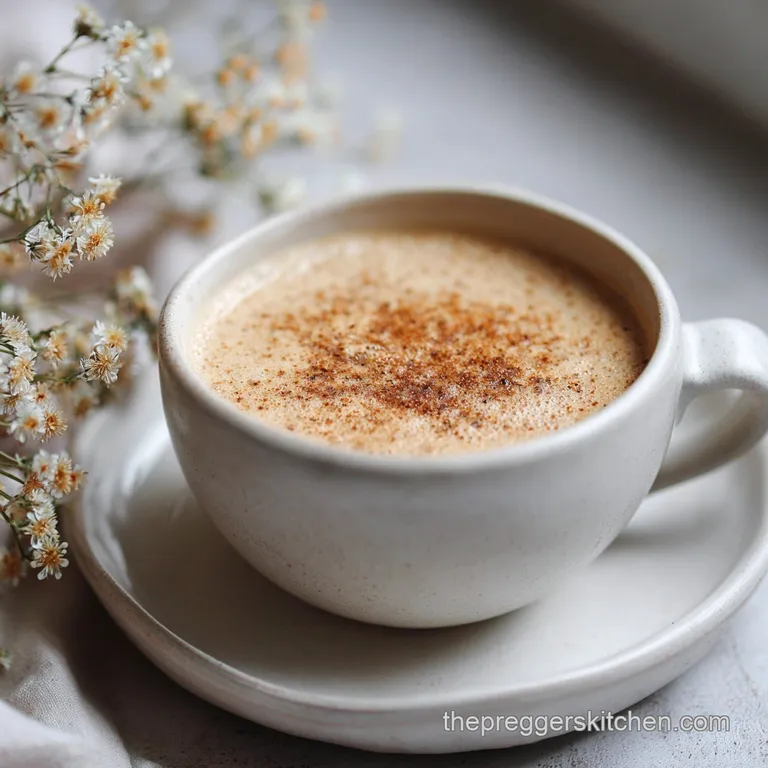
- Prep the aromatics. Lightly crush the 3 green cardamom pods using the side of a knife or a mortar and pestle until they just pop open.
- Boil the base. Combine 1 cup filtered water, the cracked cardamom, 1 cinnamon stick, 2 cloves, 0.5 inch sliced ginger, and the pinch of peppercorns in a small saucepan.
- Simmer for extraction. Bring the water to a boil, then reduce heat and simmer for 5 minutes until the water turns a deep amber and smells intensely fragrant.
- Steep the tea. Add 2 decaf black tea bags to the spiced water. Turn off the heat and let them steep for 3 minutes. Note: Don't over steep or the tea may become unpleasantly bitter.
- Incorporate the milk. Remove the tea bags, then pour in 0.75 cup whole milk and 2 tsp maple syrup.
- Heat through. Turn the heat back to medium low and whisk continuously until the mixture is steaming and small bubbles form around the edges.
- Create the foam. Use a handheld frother or whisk vigorously for 30 seconds until a velvety micro foam develops on the surface.
- Strain and serve. Pour the latte through a fine mesh strainer into a pre warmed mug.
- Add the finish. Sprinkle a pinch of ground nutmeg over the foam.
- Enjoy immediately. Sip while the foam is still airy and the spices are at their peak vibration.
Solving Common Texture and Extraction Hurdles
Why Your Latte Tastes "Thin"
If your drink feels more like watery tea than a latte, the culprit is usually the milk to water ratio or the fat content. Whole milk is the gold standard here because the fat molecules literally coat the tongue, allowing the spice flavors to linger.
If you use a lower fat milk, you might need to reduce the water slightly or simmer the base longer to concentrate the flavor.
Preventing a Bitter Aftertaste
Bitterness usually comes from two places: boiling the tea bags or over crushing the spices. Never boil the tea bags; always add them after the water has come off the heat. Also, when cracking the cardamom, you just want to open the pod, not pulverize the seeds, which can release harsh, soapy notes.
| Problem | Root Cause | Solution |
|---|---|---|
| Gritty Texture | Ground spices used instead of whole. | Stick to whole spices and use a fine strainer. |
| Burnt Flavor | Milk was boiled too vigorously. | Keep heat on medium low and whisk constantly. |
| Weak Spice | Spices were old or not simmered long enough. | Use fresh ginger and simmer at least 5 mins. |
Common Mistakes Checklist
- ✓ Don't skip the peppercorns; they provide the "bite" that makes it feel authentic.
- ✓ Ensure you crack the cardamom pods; the shell alone has very little flavor.
- ✓ Avoid squeezing the tea bags too hard, as this can release bitter tannins.
- ✓ Preheat your mug with a splash of hot water so your latte stays warm longer.
- ✓ Use "pure" maple syrup rather than pancake syrup for a cleaner sweetness.
Adjusting Ratios for Crowd Pleasing Batches
If you're making this for a group, scaling is fairly straightforward, but you have to watch the spice intensity. Spices don't always scale linearly. If you double the recipe (2 servings), use 2 cups of water and 1.5 cups of milk, but only use 1.5 times the cloves and black pepper.
Too many cloves can quickly overwhelm the other flavors and leave a numbing sensation on the tongue.
For a smaller portion (halving the recipe), keep the cinnamon stick whole but use only 1 tea bag and reduce the simmering time by 1 minute to prevent the water from evaporating too much.
If you find yourself making this often, you can actually make a "chai concentrate" by simmering a large batch of the spiced tea base (minus the milk) and storing it in the fridge for up to 3 days.
Myths About Decaf Tea and Spices
One common misconception is that decaf tea has no flavor. While some cheaper decaf processes can strip away flavor, "CO2 processed" decaf black tea retains almost all its original character. It's the most wholesome way to enjoy the tea's natural polyphenols without the jittery side effects.
Another myth is that you must use sugar for an authentic taste. While traditional chai is often quite sweet, using a nutrient dense sweetener like maple syrup or even honey provides a much more complex flavor profile.
It brings out the woody notes of the cinnamon and the earthiness of the cloves in a way that white sugar simply can't.
Preservation Methods and Repurposing Spent Spices
Storage: You can keep any leftover latte in an airtight jar in the fridge for up to 24 hours. When you're ready to drink it, reheat it gently in a saucepan over low heat. Don't use the microwave if you can avoid it, as it can cause the milk to develop a "skin."
Zero Waste Tips: Don't throw away those simmered spices! You can actually dry out the cinnamon stick and ginger slices and toss them into a pot of simmering water on the stove to act as a natural potpourri for your kitchen.
Alternatively, the spent ginger can be minced and added to a stir fry for a very mild, aromatic hit. If you're a gardener, tea leaves and crushed cardamom pods are folate packed additions to your compost pile.
Perfect Pairings to Complement Your Spiced Cup
Since this decaf chai latte recipe at home is so rich and warming, it pairs beautifully with light, fruit forward snacks. I love serving it alongside a Greek Yogurt Parfaits recipe in the morning. The tanginess of the yogurt cuts right through the creamy milk of the chai.
If you're looking for something more decadent for a late night treat, a small piece of dark chocolate or a simple almond cookie is brilliant. The bitterness of the cocoa highlights the sweetness of the maple syrup. Interestingly, the spices in this latte are also a great palate cleanser if you've recently enjoyed a citrusy drink like a Virgin Margarita on recipe. The warmth of the ginger creates a lovely contrast to the lime and salt of a mocktail.

Recipe FAQs
Can you make a chai latte decaf?
Yes, absolutely. You achieve this by substituting traditional black tea with a high-quality decaffeinated black tea, like a CO2 processed decaf, ensuring you retain the necessary tannic body for the spices.
How to make chai latte without caffeine?
Use whole spices simmered in water for at least 5 minutes before adding your decaf black tea bags to steep off the heat.
Can chai tea be decaffeinated?
Yes, chai tea blends can be decaffeinated. Most commercial decaf chai uses decaffeinated black tea as the base; look for brands that use the CO2 method for the best flavor retention.
Is there a caffeine free chai tea latte?
Yes, though it technically won't be "chai" tea. True chai requires black tea, so a completely caffeine free latte requires replacing the black tea base with a herbal base like rooibos, which offers a naturally sweet, earthy flavor.
What is the secret to a creamy decaf chai latte texture?
Use whole milk and froth vigorously. The fat content in whole milk is crucial for binding with the spice oils, creating a velvety mouthfeel similar to that achieved when emulsifying fat in recipes like our Homemade Electrolyte Drink recipe.
How long should the spices simmer before adding the tea?
Simmer the whole spices (cardamom, cloves, ginger) in water for 5 minutes. This decoction process extracts the fat-soluble essential oils necessary for a deep, authentic flavor before the tannins from the tea are introduced.
Is it true that using ground cinnamon makes the latte gritty?
Yes, ground spices cause grit. Stick to whole spices like cinnamon sticks and cracked cardamom pods; this allows for a clean liquid extraction, similar to how controlling texture is key when serving items like our Stuffed Bell Peppers recipe.
Decaf Chai Latte At Home
Ingredients:
Instructions:
Nutrition Facts:
| Calories | 151 kcal |
|---|---|
| Protein | 6.2 g |
| Fat | 6.1 g |
| Carbs | 18.2 g |
| Fiber | 0.5 g |
| Sugar | 17.1 g |
| Sodium | 82 mg |
