Easy Chicken Salad for Pregnancy Lunch
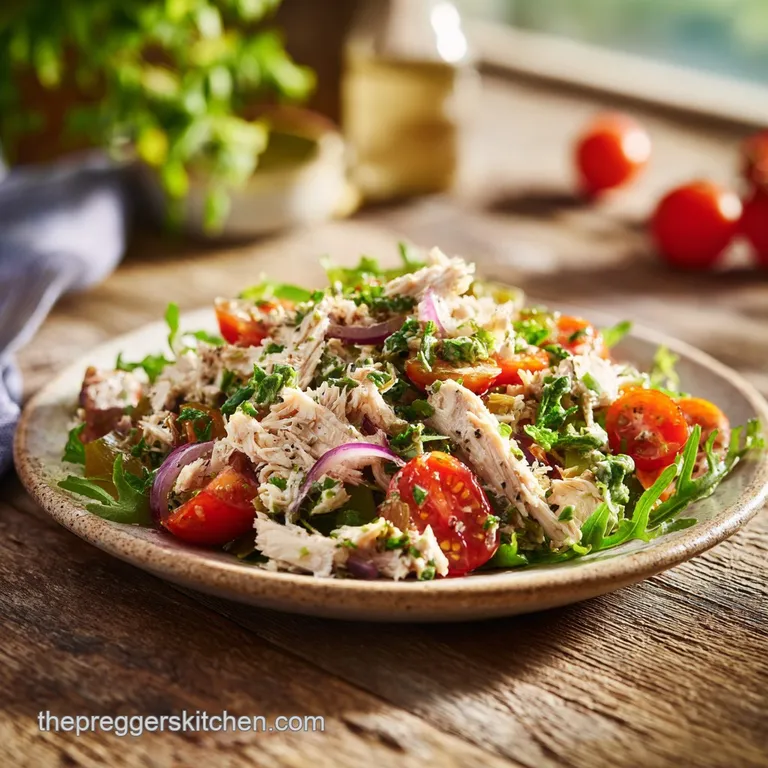
- Time: Active 10 minutes, Passive 0 minutes, Total 10 minutes
- Flavor/Texture Hook: Velvety Greek yogurt dressing with a crisp celery snap
- Perfect for: High protein meal prep and safe prenatal lunches
- Nutrient Dense Easy Chicken Salad For Pregnancy Lunch
- The Science Of Nutrient Dense Emulsified Dressings
- Component Analysis And Ingredient Deep Dive
- Essential Specifications For Prenatal Meal Success
- Kitchen Tools Required For Safe Food Preparation
- Sequential Methodology For A Safe Nutritious Lunch
- Managing Texture Integrity And Food Safety Issues
- Modifying Flavor Profiles While Maintaining Nutrient Density
- Guidelines For Storage And Reducing Food Waste
- Nutritious Side Pairings For Complete Prenatal Support
- Nutrient Density Myths
- Recipe FAQs
- 📝 Recipe Card
Nutrient Dense Easy Chicken Salad For Pregnancy Lunch
I still remember the afternoon during my second trimester when the hunger hit like a freight train, but my brain was too foggy to decide what was safe to eat. I stood in my kitchen, staring at a deli container of traditional chicken salad, feeling that familiar pang of worry about listeria and heavy preservatives.
That was the moment I realized I needed a version that wasn't just safe, but actually worked hard for my body and the baby.
The first time I swapped out the heavy mayo for a thick, tangy Greek yogurt, I was skeptical about the texture. But as I folded in the halved grapes and felt the crunch of the celery, the aroma of fresh dill filled the room and I knew I had found a winner.
It's a lunch that feels light but keeps you full, providing that steady energy we all desperately need when our bodies are busy building a whole human.
We've all been there, trying to navigate the "rules" of prenatal nutrition while just wanting something that tastes good. This recipe is my go to because it hits all the high notes: it's incredibly fast to whip together, utilizes safe, cooked proteins, and skips the mystery ingredients.
You'll get that satisfying "shatter" from the toasted walnuts and a velvety finish that makes every bite feel like a treat.
The Science Of Nutrient Dense Emulsified Dressings
Bacterial Inhibition: The citric acid in the lemon juice lowers the pH of the mixture, creating a mild acidic environment that helps maintain freshness and inhibits microbial growth.
Proteolytic Bioavailability: Using 2% Greek yogurt as a binder increases the concentration of bioavailable calcium and probiotics, which are essential for fetal skeletal development and maternal gut health.
Starch Gelatinization Control: Chilling the cooked chicken to exactly 40°F (4°C) before mixing prevents the residual heat from breaking down the yogurt’s protein structure, ensuring a thick, non watery consistency.
| Method | Internal Temp | Texture | Best For |
|---|---|---|---|
| Stovetop Poach | 165°F | Silky and moist | Shredded salad textures |
| Oven Roast | 165°F | Firm and caramelized | Cubed chicken structure |
Choosing the right cooking method for your protein base changes the final mouthfeel of the salad significantly. While poaching keeps the chicken fibers tender and receptive to the dressing, roasting provides a deeper flavor profile through the Maillard reaction. If you're looking for other high protein options, my Safe Sushi Bowl recipe offers a similar balance of safety and nutrition.
Component Analysis And Ingredient Deep Dive
| Ingredient | Science Role | Pro Secret |
|---|---|---|
| 2% Greek Yogurt | Protein Binder | Whisk it alone first to remove all lumps for a silky finish. |
| Fresh Lemon Juice | pH Regulator | Use fresh zest as well to add aromatic oils without extra liquid. |
| Toasted Walnuts | Texture Contrast | Toast them at 350°F for 5 mins to release essential Omega-3 oils. |
| Dijon Mustard | Emulsifier | The mucilage in mustard seeds helps the yogurt and lemon juice stay bonded. |
Greek Yogurt Fetal Development Benefits
Greek yogurt serves as more than just a mayo substitute; it is a concentrated source of iodine and protein. During pregnancy, these nutrients are vital for the baby's brain development and the mother's thyroid function.
The thick consistency of 2% yogurt provides enough fat to help absorb fat soluble vitamins without making the dish feel greasy or heavy.
Cold Chain Technique For Food Safety
Maintaining the "cold chain" is the most critical step for any prenatal lunch. Listeria monocytogenes can grow at refrigerator temperatures, but it grows much faster at room temperature. By ensuring your chicken is chilled immediately after cooking and kept below 40°F, you minimize any risk.
I always recommend using a meat thermometer to confirm the chicken reached 165°F (74°C) during its initial cook.
Lemon Juice Functional Role Analysis
Lemon juice isn't just for flavor; it acts as a natural preservative and brightener. The ascorbic acid prevents the halved grapes from oxidizing and keeps the fresh herbs like dill looking vibrant rather than wilted.
This chemical reaction ensures that even if you prep this on a Sunday, it still looks and tastes fresh by Tuesday afternoon.
Essential Specifications For Prenatal Meal Success
To ensure this recipe is both safe and effective, we need to follow a few specific numeric checkpoints. Precision in dicing and temperature control is what separates a soggy mess from a professional grade salad.
- Protein Volume: 2 cups cooked chicken breast, chilled and cubed (approx. 10 oz) Why this? Provides 51g of protein per serving for tissue growth.
- Dairy Base: 1/2 cup plain 2% Greek yogurt Why this? Offers a velvety texture and a dose of probiotics.
- Acid Component: 1 tbsp fresh lemon juice Why this? Brightens the flavor and acts as a natural preservative.
- Flavor Bridge: 1 tsp Dijon mustard Why this? Acts as an emulsifier to keep the dressing from separating.
- Mineral Balance: 1/4 tsp sea salt and 1/8 tsp cracked black pepper Why this? Enhances the natural flavors of the produce.
- Natural Sweetness: 1/2 cup red grapes, halved Why this? Adds hydration and a burst of antioxidants.
- Structural Crunch: 1/4 cup celery, finely diced Why this? Provides a crisp texture and essential fiber.
- Healthy Fats: 2 tbsp toasted walnuts Why this? High in ALA omega-3 fatty acids for baby's brain.
- Aromatic Finish: 1 tbsp fresh dill or parsley, chopped Why this? Adds micro nutrients and a professional culinary aroma.
Kitchen Tools Required For Safe Food Preparation
You don't need fancy gadgets, but a few specific items make this easy chicken salad for pregnancy lunch much safer and easier to execute. A sharp chef's knife is non negotiable for those fine dices; dull blades crush the cell walls of the celery, leading to a watery salad.
I also swear by a large stainless steel mixing bowl, as it stays colder than plastic while you're mixing the chilled ingredients.
A digital meat thermometer is your best friend during pregnancy. Use it to ensure your chicken hits that 165°F (180°C equivalent for oven settings) mark. Finally, grab a glass storage container with a locking lid.
Glass is non porous and easier to sanitize than plastic, which is an extra layer of protection against foodborne illnesses.
Sequential Methodology For A Safe Nutritious Lunch
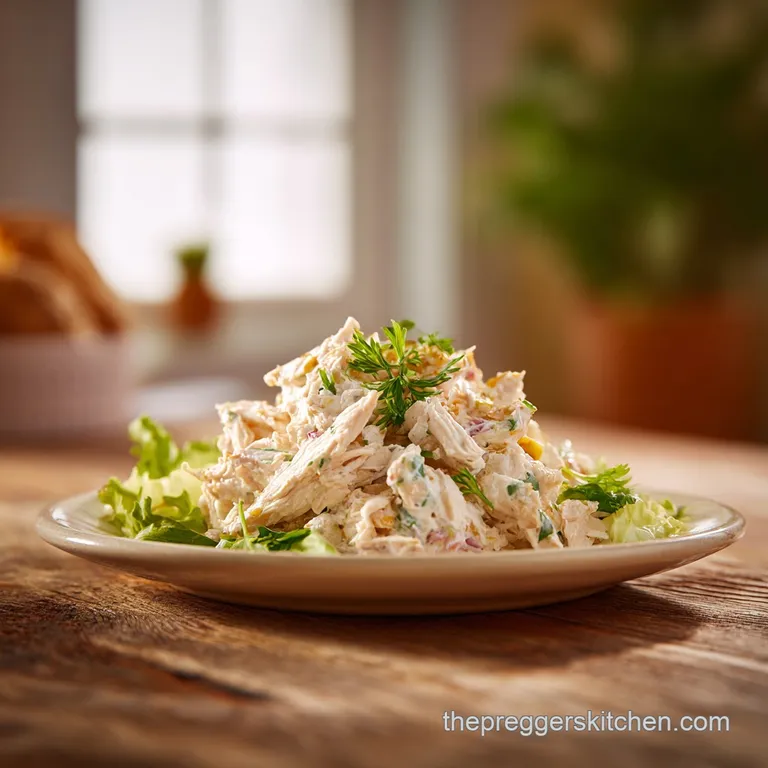
- Prep the chicken. Take 2 cups of pre cooked, chilled chicken breast and cube it into uniform 1/2 inch pieces. Note: Uniformity ensures even distribution of the dressing.
- Dice the celery. Finely dice 1/4 cup of celery into 1/4 inch pieces until they look like small green gems.
- Halve the grapes. Slice 1/2 cup of red grapes lengthwise to reveal the juicy, bright interior.
- Toast the walnuts. Heat 2 tbsp of walnuts in a dry pan for 3 minutes until they smell fragrant and toasted.
- Whisk the dressing. In your large bowl, combine 1/2 cup Greek yogurt, 1 tbsp lemon juice, and 1 tsp Dijon mustard until the mixture is silky and pale yellow.
- Season the base. Add 1/4 tsp sea salt and 1/8 tsp pepper to the dressing to ensure the seasoning is fully dissolved.
- Fold the protein. Gently toss the cubed chicken into the dressing until every piece is thoroughly coated.
- Integrate the crunch. Add the celery, grapes, and toasted walnuts, folding them in with a spatula until the colors are evenly marbled.
- Add final aromatics. Sprinkle 1 tbsp of fresh dill or parsley over the top and give it one last gentle stir.
- Chill and serve. Refrigerate for at least 30 minutes until the flavors have fully married and the salad is cold.
Managing Texture Integrity And Food Safety Issues
Watery Salad Prevention Methods
If your salad ends up with a puddle at the bottom of the bowl, it’s usually because of the produce. Celery and grapes release water when they sit in salt. To prevent this, ensure your celery is patted dry with a paper towel after washing.
If you are prepping this more than 24 hours in advance, consider keeping the grapes and celery in a separate container and folding them in just before eating to maintain that "shatter" crunch.
Balancing Excessively Tart Flavors
Greek yogurt can vary wildly in its acidity levels. If you find the dressing is too sharp or tart for your palate, don't reach for sugar. Instead, add an extra tablespoon of finely chopped walnuts or a tiny pinch of extra salt.
The fat in the nuts and the sodium in the salt chemically counteract the perception of acidity on your tongue, creating a more balanced, savory profile.
| Problem | Root Cause | Solution |
|---|---|---|
| Dressing is too thin | Chicken was still warm | Ensure chicken is chilled to 40°F before mixing. |
| Salad is bland | Lack of acid balance | Add an extra teaspoon of lemon juice or Dijon. |
| Chicken feels dry | Overcooked protein | Poach chicken in broth rather than roasting to keep it moist. |
Common Mistakes Checklist:
- ✓ Never mix warm chicken with yogurt (it will curdle the dressing).
- ✓ Don't skip toasting the walnuts; raw walnuts lack the depth needed to balance the yogurt.
- ✓ Avoid using non fat yogurt; the 2% version provides the necessary lipids for a velvety mouthfeel.
- ✓ Ensure the chicken reaches 165°F during the initial cook to guarantee safety.
- ✓ Use fresh herbs instead of dried; the moisture in fresh herbs integrates better with the yogurt.
Modifying Flavor Profiles While Maintaining Nutrient Density
If you need to scale this recipe down for a quick snack, simply halve all measurements. For a single serving, use 1 cup of chicken and 1/4 cup of yogurt. When scaling up for a week of meal prep, I suggest doubling the chicken and produce, but only increasing the salt and mustard by 1.5x to avoid an overpowering flavor.
dairy-free Alternative Strategies
If you are avoiding dairy, you can substitute the Greek yogurt with a high protein almond or soy based "yogurt." Just be sure to choose a "plain" and "unsweetened" version. Note: Plant based yogurts are often thinner, so you might want to reduce the lemon juice to 2 teaspoons to keep the salad from becoming too runny.
Nut Free Ingredient Substitutions
For those with nut allergies, toasted sunflower seeds or pumpkin seeds (pepitas) make a fantastic substitute for walnuts. They offer a similar "shatter" texture and a dose of healthy minerals like magnesium and zinc, which are excellent for prenatal support.
| Original Ingredient | Substitute | Why It Works |
|---|---|---|
| Greek Yogurt | Mashed Avocado | Provides healthy fats and creaminess. Note: Will turn green and oxidize quickly. |
| Red Grapes | Dried Cranberries | Adds sweetness. Note: Higher sugar content; use sparingly. |
| Walnuts | Sunflower Seeds | Maintains the crunch factor. Note: Safer for nut free households. |
Guidelines For Storage And Reducing Food Waste
Proper storage is non negotiable for an easy chicken salad for pregnancy lunch. Keep this in an airtight glass container in the coldest part of your fridge (usually the back of the middle shelf) for no more than 3 days.
I do not recommend freezing this salad, as the cellular structure of the yogurt and the grapes will collapse upon thawing, resulting in a grainy, watery texture that is quite unappealing.
To practice zero waste cooking, don't throw away your celery leaves! Finely chop them and mix them right in with the dill and parsley. They have a concentrated celery flavor and are packed with Vitamin C.
If you have leftover lemon halves, toss them into a jar of water for a refreshing, hydrating drink to go with your lunch.
Nutritious Side Pairings For Complete Prenatal Support
When serving this, I love to scoop it into large butter lettuce leaves for a "wrap" style lunch. The soft leaves complement the crunchy salad perfectly. Alternatively, serving it alongside a Healthy Pregnancy Smoothie recipe can help you reach your daily fiber and micronutrient goals in one sitting.
Side Pairings For Digestion
During pregnancy, digestion can slow down, leading to discomfort. Pairing this chicken salad with a side of fermented pickles or a small portion of whole grain crackers can help. The fiber in the crackers and the natural enzymes in fermented foods support the probiotics in the Greek yogurt, making this a truly "functional" meal for your gut health.
Recommended Serving Suggestions
For a more substantial meal, you can serve this salad over a bed of chilled quinoa or farro. These ancient grains add a nutty flavor and a boost of iron and folate. If you're looking for a warm pairing, a simple cup of vegetable broth can provide hydration and electrolytes without adding unnecessary calories or fats to your midday meal. Another great option is to follow this meal with Overnight Oats for recipe as a prepared breakfast for the next morning.
Nutrient Density Myths
One common misconception is that "low-fat" is always better during pregnancy. In reality, your body needs healthy fats to absorb vitamins A, D, E, and K. Using 2% Greek yogurt instead of 0% ensures you are getting those essential lipids. Another myth is that all "prepared" salads are dangerous.
As long as you are controlling the ingredients, following the 165°F cook rule, and maintaining the cold chain, this is one of the safest and most nutritious lunches you can have.
Searing or roasting the chicken doesn't "seal in" juices, but it does create flavor. The real secret to juicy chicken in this salad is the resting period after cooking and the subsequent chilling. This allows the muscle fibers to reabsorb moisture, which then stays locked in once the cool yogurt dressing is applied.
Trust the process, and you'll have a lunch that supports both you and your growing baby perfectly.
Recipe FAQs
Is it safe to use pre-cooked grocery store rotisserie chicken?
No, avoid rotisserie chicken. store-bought cooked chicken often harbors higher levels of sodium and potentially unsafe bacteria due to inconsistent holding temperatures.
How to ensure the Greek yogurt dressing stays thick and doesn't get watery?
Chill the cooked chicken completely before mixing. Residual heat will break down the yogurt proteins, causing it to thin out and separate prematurely.
How to increase the Omega-3 content for baby's brain health?
Substitute walnuts with ground flaxseed or chia seeds. These add essential ALA Omega-3s, similar to how you manage healthy fats when making a Peanut Butter Banana recipe.
Is it true that I must use full fat yogurt for adequate nutrient absorption?
No, this is a common misconception. 2% Greek yogurt provides enough fat to aid in fat-soluble vitamin absorption without significantly increasing saturated fat intake.
What is the safest way to keep this fresh for lunch meal prep?
Store the base chicken mix and the grapes/celery separately for up to 3 days. Combine all ingredients only an hour before eating to prevent the produce from releasing excess moisture into the dressing.
How to add extra flavor without resorting to high sodium canned ingredients?
Incorporate aromatics like fresh herbs and citrus zest. Use lemon zest along with the juice; this trick infuses robust flavor, much like adding citrus to a Non-Alcoholic Mimosa in recipe brightens the mocktail.
What internal temperature must the chicken reach during cooking to be safe?
Cook chicken breast to an internal temperature of 165°F (74°C). Use a digital thermometer inserted into the thickest part to confirm this temperature for food safety before chilling.
Easy Pregnancy Chicken Salad
Ingredients:
Instructions:
Nutrition Facts:
| Calories | 363 kcal |
|---|---|
| Protein | 51g |
| Fat | 11g |
| Carbs | 11g |
| Fiber | 1.5g |
| Sugar | 8g |
| Sodium | 485mg |
