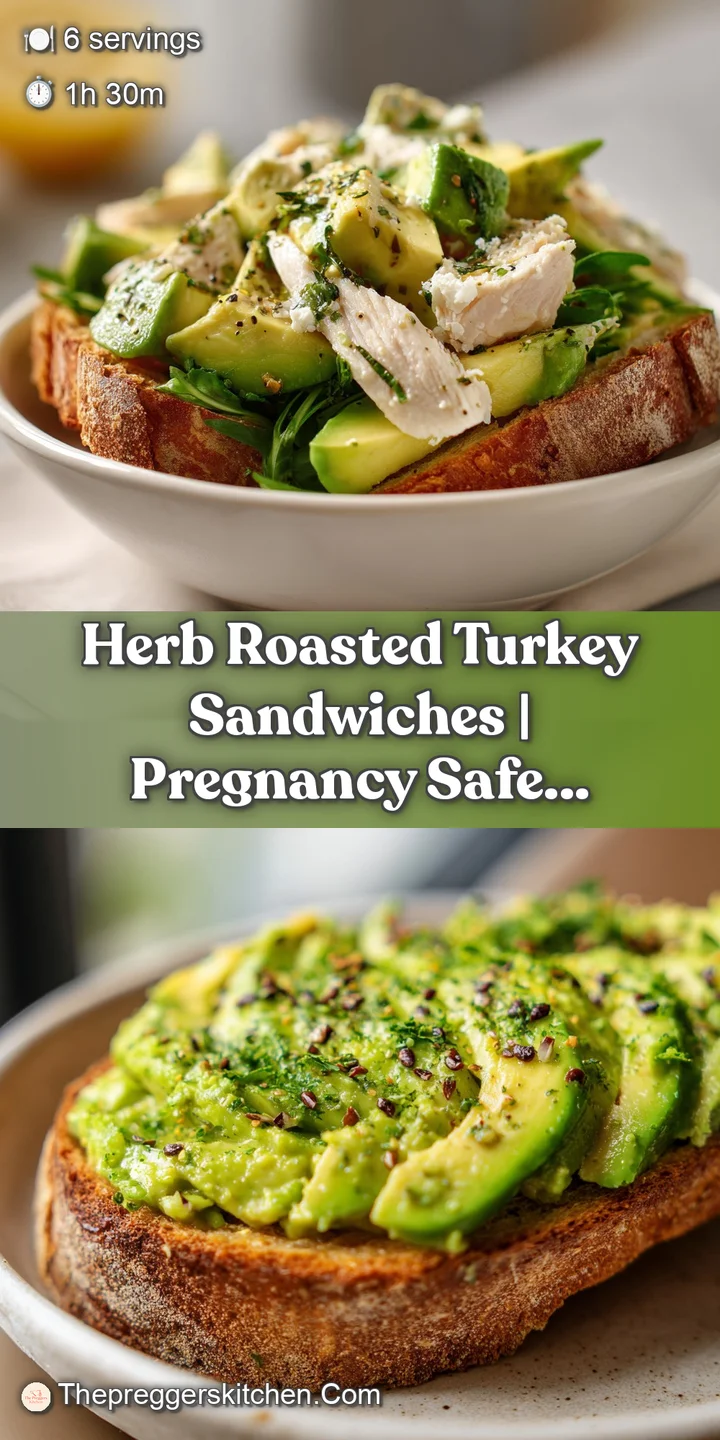
Herb Roasted Turkey: Pregnancy Safe Sandwiches
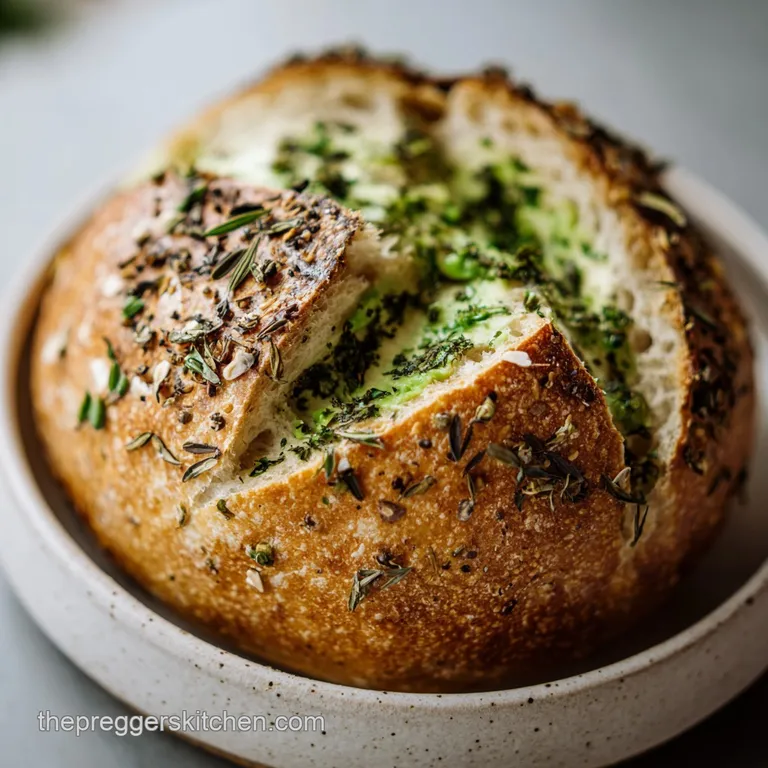
- Time: Active 15 minutes, Passive 75 minutes, Total 90 minutes
- Flavor/Texture Hook: Herb crusted, juicy turkey with a shatter crisp sourdough crunch
- Perfect for: Safe weeknight meal prep and wholesome pregnancy lunch ideas
Reliable pregnancy safe turkey sandwich alternatives
The sizzle of artisanal sourdough hitting a buttered cast iron skillet is a sound every home cook loves, but for many of us, it’s the gateway to a much needed sense of culinary normalcy. I remember standing in my kitchen, staring at a package of deli turkey and feeling that familiar wave of hesitation.
We’ve all been told to avoid cold cuts during pregnancy due to listeria risks, but the craving for a savory, stacked sandwich doesn't just disappear. That’s exactly why I started roasting my own bone in turkey breasts at home; it’s the ultimate workaround that delivers a much better flavor profile than anything you'll find at the deli counter.
This specific method focuses on the "quick win" of volume. While the turkey takes 75 minutes in the oven, your active work is minimal just 15 minutes of prep. The payoff is a massive, nutrient dense protein source that covers your lunches for the entire week.
You get that incredible aroma of fresh rosemary and thyme filling the house, and more importantly, you get the peace of mind that comes from knowing your protein reached a safe 165°F (74°C).
This isn't just a compromise; it’s a significant upgrade in both safety and taste.
We are going to focus on a thick cut, herb roasted turkey breast paired with a bright lemon pesto aioli. The acidity of the lemon cuts through the richness of the avocado, while the sourdough provides a sturdy, fermented base that supports the weight of the fillings without becoming a soggy mess.
Trust me, once you taste the difference between processed slices and this home roasted version, you’ll never want to go back to the plastic wrapped stuff again.
Why This Works
Thermal Pathogen Destruction: By roasting the turkey to a verified internal temperature of 165°F (74°C), we effectively neutralize Listeria monocytogenes and other foodborne pathogens that make standard deli meats risky.
Moisture Retention via Bone In Heat: The central bone in the turkey breast acts as a heat conductor, distributing temperature more evenly through the thickest part of the meat while preventing the fibers from drying out during the 75 minutes of roasting.
Emulsification Stability: Using pasteurized mayonnaise as the base for our aioli ensures a safe, creamy binder that resists breaking, providing a protective fat barrier that prevents the vegetable moisture from migrating into the bread.
Starch Retrogradation: Searing the sourdough slices creates a toasted crust that aligns the starch molecules, making the bread structurally sound enough to hold the lemon pesto aioli and heavy tomato slices.
Enzymatic Browning Control: The lemon zest and juice in the pesto aioli provide ascorbic acid, which slows the oxidation of the avocado slices, keeping them vibrant and fresh for hours if you're packing this for later.
Precision Checkpoints
| Checkpoint | Metric Value | Visual/Physical Cue |
|---|---|---|
| Initial Roasting Temp | 325°F (165°C) | Steady, low hissing sound from the pan |
| Safety Threshold | 165°F (74°C) | Clear juices run when the thickest part is pierced |
| Resting Period | 20 minutes | Fibers relax and reabsorb internal moisture |
Roasting Method Comparison
| Feature | Home Roasted (This Recipe) | Classic Deli Meat |
|---|---|---|
| Safety Profile | High (Verified heat kill) | Variable (Risk of cross contamination) |
| Sodium Content | Controlled (15g Kosher salt) | Often excessively high for preservation |
| Texture | Velvety and thick cut | Rubbery or thin sliced |
Roasting at home allows for a much higher concentration of folate packed herbs like rosemary and thyme to penetrate the meat. While commercial turkey often relies on liquid smoke or artificial flavorings, our method uses real extra virgin olive oil and fresh aromatics to create a complex flavor profile. If you find yourself looking for other ways to keep your nutrient levels up, this High Protein Quinoa bowl is another fantastic option for meal prepping throughout your week.
Component Analysis of Wholesome Ingredients
Understanding the role of each ingredient helps prevent the most common sandwich failures, such as dryness or lack of structural integrity. When selecting your components, prioritize pasteurized options to maintain the highest safety standards.
| Ingredient | Science Role | Pro Secret |
|---|---|---|
| Bone In Turkey Breast | Primary protein and structural anchor | Leave the skin on during roasting to insulate the meat from direct dry air. |
| Sourdough Bread | Fermented carbohydrate with low glycemic index | Use "Artisanal" loaves with a thick crust to provide a "shatter" crunch. |
| Pasteurized Mayo | Fat based moisture barrier and emulsifier | Whisk with zest to introduce air, making the aioli feel lighter and silkier. |
| Fresh Avocado | Healthy monounsaturated fats and folate | Slice just before assembly to prevent the natural enzymes from turning the fruit brown. |
Between the prep and the assembly, it is vital to keep your workspace sanitized. For those days when you don't want to turn on the oven but still want a creamy, high protein snack, a Pregnancy Safe Cheese Dip recipe can be a great companion to fresh vegetables or whole grain crackers.
Ingredients & Substitutes
The following measurements are calculated for 6 servings. Ensure you use the exact weights for the turkey to match the 75 minute cook time accurately.
- 1 (3 lb / 1.4 kg) Bone in turkey breast, skin on: This is the gold standard for juiciness. Why this? The bone prevents the meat from shrinking excessively and drying out.
- Substitute: 1.4 kg of thick cut rotisserie chicken (ensure it is reheated to 165°F/74°C).
- 2 tbsp (30 ml) Extra virgin olive oil: Used for the herb rub and skin crisping. Why this? High smoke point is not needed for 325°F; flavor is the priority.
- Substitute: Avocado oil (similar healthy fat profile).
- 1 tbsp (15 g) Kosher salt: Essential for drawing out moisture from the skin to make it crisp.
- Substitute: 1.5 tsp Fine sea salt (sea salt is denser, so use less).
- 1 tsp (5 g) Cracked black pepper: Provides a subtle heat without being overpowering.
- Substitute: White pepper (milder and less visible in the aioli).
- 2 tbsp (10 g) Fresh rosemary and thyme, finely minced: The aromatic heart of the recipe.
- Substitute: 2 tsp dried poultry seasoning (highly concentrated flavor).
- 1/2 cup (120 ml) Pasteurized mayonnaise: The safe base for our sauce. Why this? Pasteurization kills potential salmonella in the eggs.
- Substitute: Plain Greek yogurt (adds a tangy, protein rich bite).
- 2 tbsp (30 ml) Prepared basil pesto: Adds a hit of garlic and parmesan flavor.
- Substitute: Milled sun dried tomatoes (for a "Red Pesto" variation).
- 1 tsp (5 ml) Fresh lemon zest: Brightens the heavy fats of the turkey and mayo.
- Substitute: 1 tsp Lime zest (adds a more tropical acidity).
- 12 slices (500 g) Artisanal sourdough bread: The structural foundation.
- Substitute: Whole wheat ciabatta (provides a similar sturdy crumb).
- 2 Large ripe avocados, sliced: Adds creaminess and folate.
- Substitute: Hummus (provides fiber and a different creamy texture).
- 2 cups (60 g) Fresh arugula or baby spinach: Iron rich greens for a peppery bite.
- Substitute: Romaine lettuce (adds more water heavy crunch).
- 1 Large beefsteak tomato, sliced and patted dry: For sweetness and moisture.
- Substitute: Roasted red peppers (sweeter and less watery).
- 6 slices (150 g) Pasteurized sharp cheddar or provolone: Provides a sharp, salty finish.
- Substitute: Pasteurized Swiss cheese (milder with a nutty finish).
Instructions
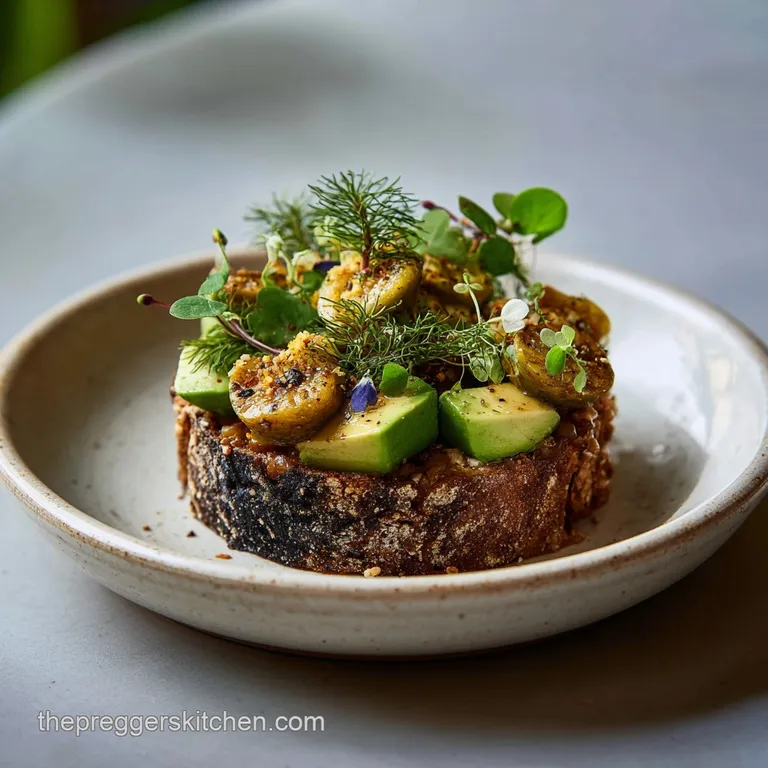
Roasting your own turkey is the most important step in these turkey sandwich alternatives. It ensures you have a safe, high-quality protein ready for assembly whenever the craving strikes.
Phase 1: The Protein Foundation
- Preheat your oven to 325°F (165°C). Pat the turkey breast completely dry with paper towels until the skin feels tacky and no longer slippery. Note: Surface moisture causes steaming rather than roasting, leading to rubbery skin.
- In a small bowl, combine the olive oil, kosher salt, cracked black pepper, and minced rosemary and thyme. Rub this mixture thoroughly over the turkey breast, ensuring you get under the skin where possible.
- Place the turkey in a roasting pan with a rack and roast for 75 minutes until a digital meat thermometer reads 165°F (74°C) in the thickest part of the breast.
- Remove the turkey from the oven and let it rest on a cutting board for 20 minutes. Note: This allows the juices to redistribute so they don't pour out when you carve.
Phase 2: The Golden Toast
- In a small mixing bowl, whisk together the pasteurized mayonnaise, basil pesto, and lemon zest until the color is a uniform pale green and the texture is velvety.
- Lightly butter both sides of your sourdough slices. Place them in a preheated cast iron skillet over medium heat.
- Sear the bread for 2-3 minutes per side until the surface is golden brown and sounds like a "shatter" when tapped with a knife.
Phase 3: The Failure Proof Assembly
- Spread a generous layer of the lemon pesto aioli on both toasted sourdough slices to create a moisture proof seal.
- Layer the sliced turkey (carve it about 1 cm thick for the best texture) on the bottom slice, followed by a slice of cheese.
- Finish with the avocado, patted dry tomato, and a handful of arugula before closing the sandwich and pressing down gently to set the layers.
Troubleshooting
The most common issue with home roasted turkey is either dryness from overcooking or a sandwich that falls apart because the vegetables were too wet.
Why Your Turkey Is Dry
If your turkey feels chalky or dry, it likely stayed in the oven past the 165°F (74°C) mark. Even five extra minutes can cause the protein fibers to tighten and squeeze out their moisture.
To fix this, always use a probe thermometer and pull the turkey out at 162°F, as carryover cooking will bring it up to the safe 165°F while it rests.
Why Your Sandwich Is Soggy
A soggy sandwich is usually the result of "wet" vegetables like tomatoes or washed greens. If you don't pat your tomato slices dry with a paper towel, the salt in the sandwich will draw out their water, which then soaks into the bread.
The aioli acts as a barrier, but it can only do so much against a literal puddle of tomato juice.
| Problem | Root Cause | Solution |
|---|---|---|
| Rubbery Turkey Skin | Surface was too wet before oiling | Use paper towels to dry the skin aggressively before roasting. |
| Collapsing Sandwich | Layers are too slippery (avocado on mayo) | Place greens between the slippery layers to provide "grip" and friction. |
| Bland Aioli | Lack of acidity | Add an extra half teaspoon of lemon juice or zest to brighten the fats. |
Common Mistakes Checklist
- ✓ Never skip the 20 minute rest for the turkey; cutting too early leads to a dry result.
- ✓ Ensure you use pasteurized cheese and mayonnaise to comply with safety guidelines.
- ✓ Toast the bread until it is truly crisp; soft bread cannot handle the weight of fresh turkey.
- ✓ Pat the tomato slices dry with a paper towel to remove excess exterior moisture.
- ✓ Don't slice the turkey too thin; thick slices (1 cm) retain much more moisture in the sandwich.
Scaling
Adjusting this recipe for meal prep or a larger group requires a few specific changes to ensure the turkey roasts correctly and the bread stays crisp.
- Scaling DOWN (1-2 Servings): If you only need a couple of sandwiches, buy a smaller turkey breast (approx. 1.5 lb). Reduce the roasting time to about 45-50 minutes, but still verify the 165°F (74°C) internal temp. You can mix the aioli in a smaller ramekin to avoid waste.
- Scaling UP (12+ Servings): When roasting two turkey breasts at once, ensure there is at least 3 inches of space between them in the pan for air circulation. If they are crowded, they will steam instead of roast. You may need to increase the total roasting time by 15-20 minutes.
- Baking Adjustments: If you double the recipe, avoid doubling the salt exactly; use 1.5x the salt to prevent the turkey from becoming overly saline. The spices (rosemary/thyme) can be doubled safely.
Ingredient Shortcut Comparison
| Method | Speed | Flavor Impact | Best For |
|---|---|---|---|
| From Scratch | 90 minutes | Deep, complex herb notes | Weekend meal prep |
| Rotisserie Reheat | 15 minutes | Savory, but saltier | Quick weeknight dinner |
| Cold Pressed | 5 minutes | Minimal flavor depth | Emergency lunch |
Myths
One of the most persistent myths in the kitchen is that searing meat "seals in the juices." In reality, moisture loss is a function of temperature. Whether you sear it or not, if you overcook the turkey, it will be dry. The sear is purely for flavor development through the browning of proteins.
Another common misconception is that all deli meat is safe if it's "heated until steaming." While heat does kill bacteria, most home microwaves or brief toaster oven sessions don't reach the consistent 165°F internal temperature required to kill Listeria throughout the entire slice.
Roasting a whole breast at home is a much more reliable way to ensure total thermal lethality from the outside in.
Finally,, people often think sourdough is "just bread." Because of the long fermentation process, sourdough actually has a lower glycemic index and contains more bioavailable nutrients than standard white bread, making it a superior choice for maintaining steady energy levels throughout the day.
Storage & Zero Waste
Storage: Once carved, store the turkey slices in an airtight glass container in the refrigerator for up to 4 days. If you haven't assembled the sandwiches, keep the aioli, turkey, and vegetables in separate containers to maintain freshness. The sourdough is best toasted just before eating.
I do not recommend freezing the fully assembled sandwich, but the roasted turkey breast can be frozen for up to 3 months. To reheat, wrap the turkey in foil with a splash of water or broth and heat at 300°F (150°C) until it reaches 165°F again.
Zero Waste: Don't you dare throw away that turkey bone! The carcass of a 3 lb bone in breast is a goldmine for nutrient dense bone broth. Simmer the bone with onion scraps, carrot peels, and celery ends for 4-6 hours.
This broth is iron rich and provides a wholesome base for soups or for cooking rice. Plus,, if you have leftover pesto aioli, it makes a fantastic dressing for a cold pasta salad or a dip for roasted sweet potatoes. Even the bread crusts can be pulsed into breadcrumbs and stored in the freezer for future use.
CRITICAL: Very High in Sodium
1295 mg 1295 mg of sodium per serving (56% 56% of daily value)
The American Heart Association recommends a limit of no more than 2,300mg of sodium per day for adults, with an ideal limit of less than 1,500mg per day for most adults.
Tips to Reduce Sodium
-
Halve the Kosher Salt-25%
Reduce the 1 tbsp Kosher salt used on the turkey to 1/2 tbsp. Kosher salt is a significant sodium source in this recipe.
-
Choose Lower Sodium Cheese-15%
Opt for a low-sodium sharp cheddar or provolone if available, or use slightly less cheese. Many artisanal cheeses can be high in sodium.
-
Emphasize Fresh Herbs and Spices
Fully embrace the flavor from fresh rosemary and thyme. Continue using cracked black pepper. Consider adding garlic powder or onion powder for more savory notes without sodium.
-
Select Low-Sodium Bread-10%
When purchasing the artisanal sourdough bread, look for brands that are specifically labeled as low-sodium or have significantly less sodium per slice.
-
Moderate Prepared Pesto-10%
Prepared basil pesto can be high in sodium. Use only 1 tbsp of prepared basil pesto or look for a reduced sodium version.
-
Opt for Low-Sodium Mayo-5%
Switch to a low-sodium pasteurized mayonnaise. This is a straightforward substitution that can significantly impact overall sodium content.
Recipe FAQs
What is a good alternative to deli turkey when pregnant?
Roast your own fresh turkey breast. Preparing it at home allows you to control the cooking process and avoids the listeria risks associated with pre-packaged deli meats.
How can I eat a turkey sandwich while pregnant?
Roast the turkey yourself at 325°F until the internal temperature reaches 165°F. Once the meat is fully cooked and chilled, layer it on toasted sourdough with pasteurized cheese and fresh vegetables for a safe meal.
What can I eat instead of turkey sandwiches?
Try a nutrient dense vegetarian sandwich featuring avocado, arugula, and pesto aioli. If you enjoyed mastering the emulsification technique used for our aioli, you can apply that same whisking method to create fresh, safe spreads for any vegetarian lunch.
What foods help with constipation in pregnancy?
Incorporate high fiber ingredients like fresh arugula, spinach, and tomatoes into your daily diet. These vegetables, combined with whole grain sourdough, provide the necessary roughage to support healthy digestion during pregnancy.
Is it true I must avoid all cold sandwiches?
No, this is a common misconception. You can safely enjoy cold sandwiches as long as the protein is cooked thoroughly in your own kitchen rather than sourced from a deli counter.
How to keep sandwich ingredients from getting soggy?
Pat your sliced tomatoes dry with paper towels before assembly. Keeping moisture away from the bread and greens ensures your sandwich maintains its texture until the very last bite.
How to store leftover roasted turkey?
Place slices in an airtight glass container and refrigerate for up to 4 days. For longer storage, you can freeze the turkey for up to 3 months and gently reheat it in the oven at 300°F.
Herb Roasted Turkey Sandwiches
Ingredients:
Instructions:
Nutrition Facts:
| Calories | 612 calories |
|---|---|
| Protein | 43.5 g |
| Fat | 31.4 g |
| Carbs | 39.6 g |
| Fiber | 6.8 g |
| Sugar | 2.8 g |
| Sodium | 1295 mg |
