Chicken and Veggies: Nutritious One Pan Meal
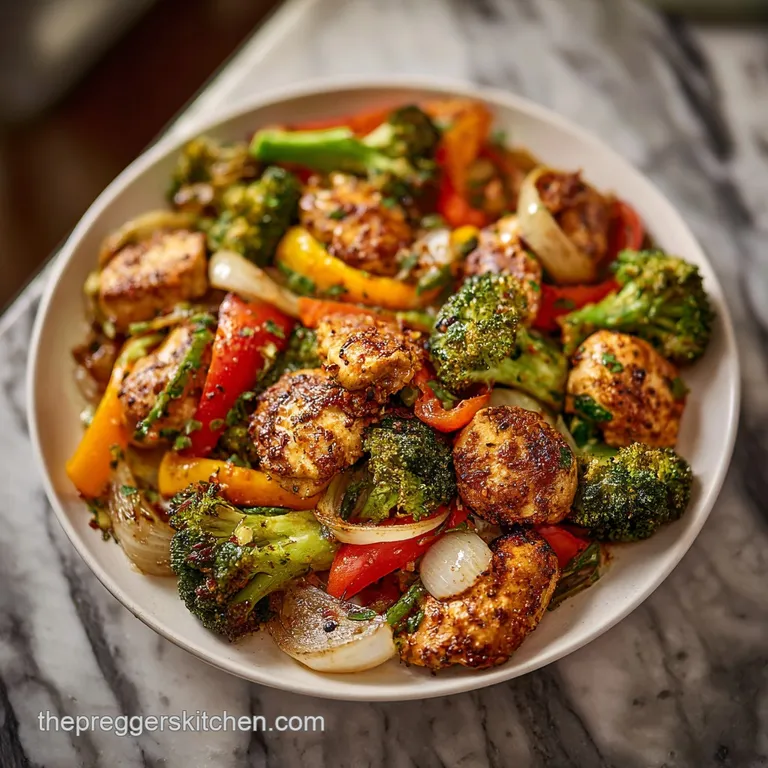
- Time: Active 15 mins, Passive 25 mins, Total 40 mins
- Flavor/Texture Hook: Earthy sweetness meets a smoky, charred finish
- Perfect for: High protein prenatal support and efficient weeknight prep
- Optimizing Nutrient Density in Chicken and Veggies
- Vital Roasting Mechanisms Explained
- Component Analysis Deep Dive
- Essential Kitchen Metrics
- Required Kitchen Tools
- Systematic Roasting Process
- Resolving Culinary Errors
- Scaling for Different Needs
- Debunking Common Roasting Myths
- Flavor Variation Options
- Storage and Recovery Guide
- Complementary Side Pairings
- Recipe FAQs
- 📝 Recipe Card
Optimizing Nutrient Density in Chicken and Veggies
I remember standing in my kitchen at 6:00 PM during my second trimester, staring at a head of broccoli like it was a complex calculus equation. The fatigue was real, and the thought of washing three different pans felt like training for a marathon I hadn't signed up for.
I needed something that wouldn't just fill a hole but would actually replenish the iron stores my body was working so hard to build. That was the night I stopped just "throwing things together" and started looking at the thermal properties of my sheet pan.
We've all had those soggy, grey vegetables or the chicken that feels like chewing on a pencil eraser. It happens because we treat a sweet potato and a broccoli floret like they have the same DNA they don't.
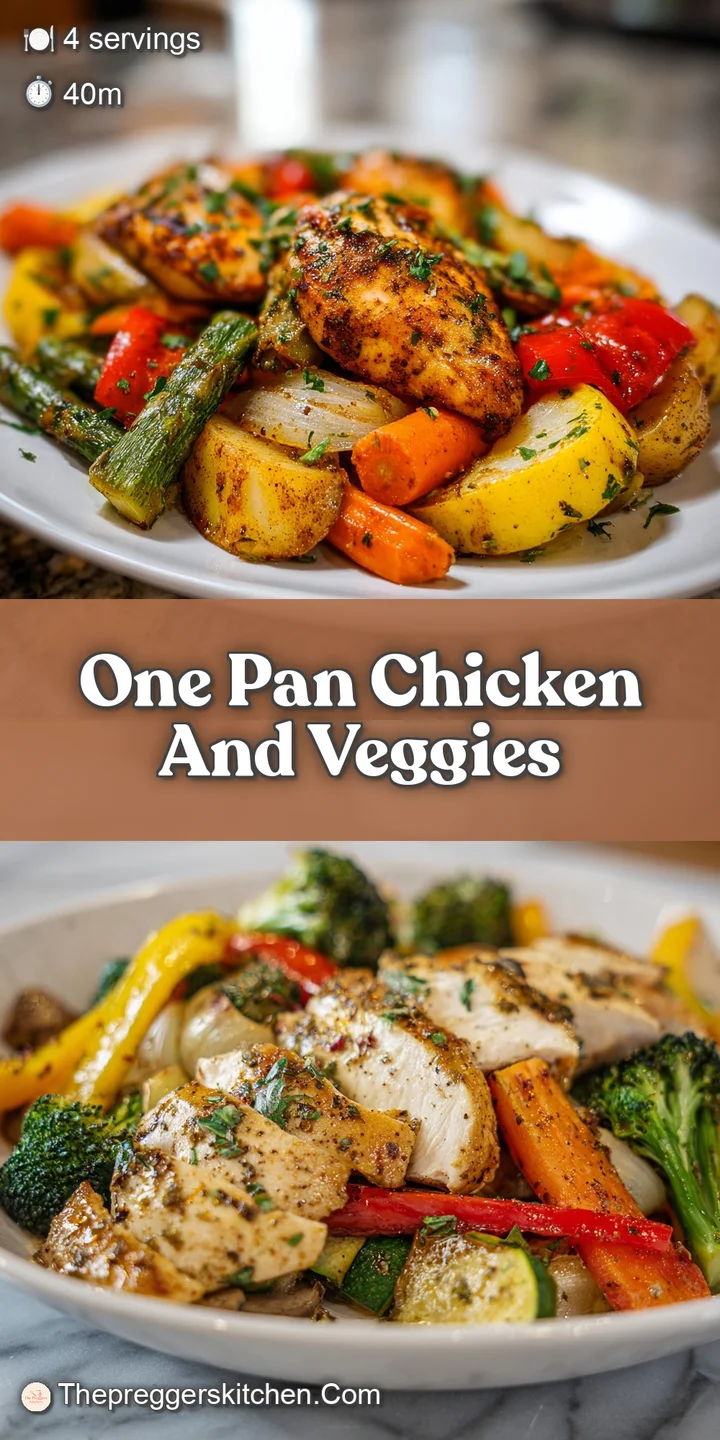
This specific approach to Chicken and Veggies isn't just about convenience; it's about managing moisture and heat transfer so that everything hits the peak of its flavor profile at the exact same moment.
We are going to focus on the Maillard reaction that beautiful chemical dance between amino acids and reducing sugars to get that deep, charred flavor without overcooking the protein.
By the end of this, you'll have a systematic way to feed yourself that feels supportive of your wellness goals and doesn't leave you with a mountain of dishes to scrub.
Vital Roasting Mechanisms Explained
Thermal Synchronization: By dicing dense sweet potatoes into 1/2 inch cubes and chicken into 1.5 inch pieces, we equalize their cooking times despite their different densities. This prevents the chicken from drying out while waiting for the starch to soften.
Ascorbic Acid Catalyst: The lemon juice acts as more than a flavor enhancer; the Vitamin C significantly increases the bioavailability of the non heme iron found in the broccoli and sweet potato.
Surface Tension Control: Patting the chicken completely dry before oiling prevents a layer of steam from forming. This allows the heat to immediately begin the browning process rather than wasting energy evaporating surface moisture.
Starch Gelatinization: High initial heat causes the natural sugars in the red onion and bell pepper to caramelize rapidly, creating a protective "crust" that locks internal moisture inside the vegetable cell walls.
| Component Thickness | Internal Temp | Rest Time | Visual Cue |
|---|---|---|---|
| 1.5 inch Chicken | 165°F (74°C) | 5 mins | Juices run clear, matte finish |
| 0.5 inch Potato | N/A | N/A | Edges charred, fork tender |
| Broccoli Florets | N/A | N/A | Tips are blackened and "shatter" |
Choosing the right thermal environment is just as important as the seasoning itself. When you use a heavy, dark rimmed baking sheet, it absorbs more radiant heat than a shiny aluminum one, which helps the bottoms of your vegetables develop that sought after golden crust. If you're looking for another way to brighten up your protein rotation, our Lemon Herb Chicken recipe uses a similar acid to fat ratio to keep the meat incredibly tender.
Component Analysis Deep Dive
| Ingredient | Science Role | Pro Secret |
|---|---|---|
| Chicken Thighs | Lipid source & Protein | Thighs have more connective tissue than breasts, staying juicy even at high heat. |
| Sweet Potato | Complex Carbohydrate | The dice size determines the entire dish's timing; keep them small for maximum surface area. |
| Extra Virgin Olive Oil | Thermal Conductor | Distributes heat evenly across irregular surfaces and aids in fat soluble vitamin absorption. |
| Smoked Paprika | Phenolic Compound | Adds a "charred" flavor profile without the need for an open flame or grill. |
Essential Kitchen Metrics
This recipe yields 4 servings, each designed to provide a balanced ratio of lean protein to complex carbohydrates. Following these measurements exactly ensures the pan isn't overcrowded, which is the primary cause of steaming rather than roasting.
- 1.5 lbs boneless, skinless chicken thighs (cut into 1.5 inch pieces) Why this? Higher fat content prevents drying in the oven's dry heat.
- Substitute: Chicken breasts (1.5 lbs) - Note: Reduce cook time by 4 mins to avoid toughness.
- 1 large sweet potato (peeled and diced into 1/2 inch cubes) Why this? Provides essential Vitamin A and steady glucose release.
- Substitute: Butternut squash (2.5 cups) - Note: Slightly softer texture when roasted.
- 1 large head broccoli (cut into small florets) Why this? High in folate and fiber for digestive health.
- Substitute: Cauliflower (1 head) - Note: Needs 3 extra minutes for deep caramelization.
- 1 small red onion (sliced into wedges) Why this? Adds sulfur compounds and natural sweetness when charred.
- Substitute: Shallots (4 large) - Note: Offers a more delicate, garlicky undertone.
- 1 bell pepper (sliced) Why this? High Vitamin C content to assist iron absorption.
- Substitute: Zucchini (1 large) - Note: Add during last 10 mins as it cooks faster.
- 3 tbsp extra virgin olive oil Why this? Best for low to medium heat roasting and flavor.
- Substitute: Avocado oil (3 tbsp) - Note: Higher smoke point, very neutral flavor.
- 1 tbsp fresh lemon juice Why this? Denatures proteins slightly and adds essential acidity.
- Substitute: Apple cider vinegar (2 tsp) - Note: More pungent, skip if sensitive to smells.
- 3 cloves garlic (minced)
- Substitute: Garlic powder (1 tsp) - Note: Distributes more evenly but lacks pungent depth.
- 1 tsp dried oregano
- 1 tsp smoked paprika
- 1/2 tsp sea salt
- 1/4 tsp black pepper
Required Kitchen Tools
For this and veggies pregnancy meal, you need a standard 13x18 inch half sheet pan. Using a pan that is too small will cause the ingredients to stack, trapping moisture and resulting in a "boiled" texture. A heavy gauge pan prevents warping at 400°F (200°C).
You'll also need a large mixing bowl to ensure every crevice of the broccoli is coated in the oil spice mixture. Using your hands for this step is actually better than a spoon; it allows you to massage the spices into the meat and vegetables, ensuring no dry spots remain.
Systematic Roasting Process
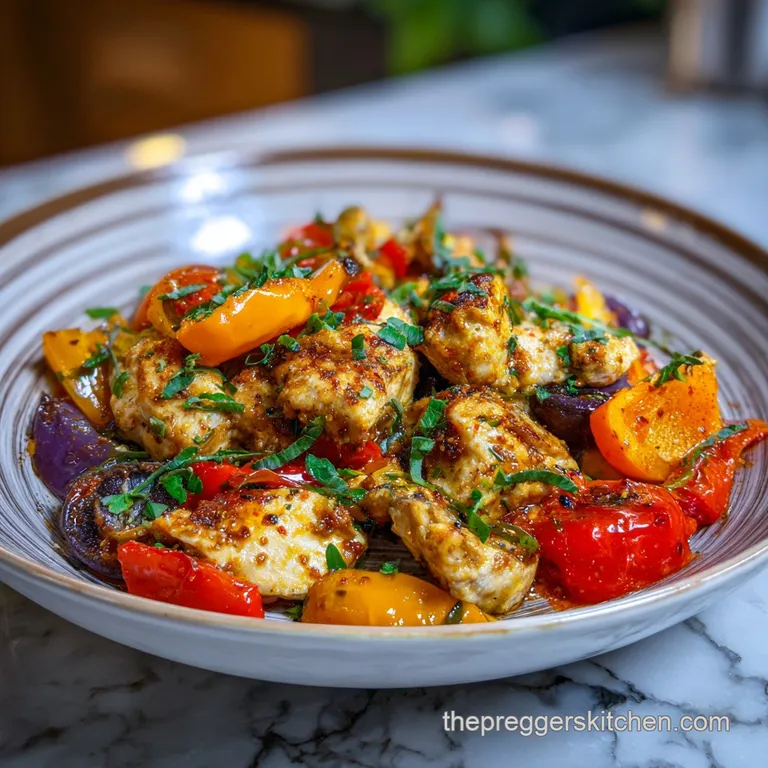
- Preheat the oven to 400°F (200°C). Place the empty baking sheet inside while it heats. Note: A hot pan starts the searing process the second the food touches the surface.
- Dry the 1.5 lbs of chicken thighs thoroughly with paper towels. Squeeze them until they feel tacky to the touch.
- Combine the 3 tbsp olive oil, 1 tbsp lemon juice, minced garlic, and all dried spices in a large bowl.
- Toss the 1/2 inch sweet potato cubes in the mixture first. Ensure they are glistening and fully coated.
- Add the chicken pieces to the bowl. Massage the marinade into the meat until the color is uniform from the paprika.
- Incorporate the broccoli florets, red onion wedges, and sliced bell pepper. Turn gently so the broccoli "trees" soak up the remaining oil.
- Spread the mixture onto the preheated baking sheet in a single layer. Listen for a faint sizzle as they hit the metal.
- Roast for 25 minutes. Rotate the pan 180 degrees halfway through for even heat distribution.
- Check that the chicken has reached 165°F (74°C) and the potatoes are easily pierced with a fork.
- Rest the pan on a wire rack for 5 minutes before serving. Observe how the juices pull back into the chicken fibers.
Chef's Tip: Freeze your garlic cloves for 10 minutes before mincing. It makes them firmer and easier to chop into a fine paste, which integrates better into the marinade without leaving large, pungent chunks.
Resolving Culinary Errors
Cooking a full meal on one pan requires balance. If the vegetables are done but the chicken isn't, or vice versa, it usually comes down to "crowding" or "sizing."
Why Your Vegetables Are Soggy
If your veggies look limp and wet rather than crisp and charred, the pan was likely overcrowded. When ingredients are too close, the moisture they release gets trapped, creating a steam chamber. Always leave at least a quarter inch of space between the pieces of chicken and the vegetables.
Why Your Chicken Is Dry
Dry chicken is almost always a result of overcooking or using pieces that are too small. Chicken thighs are forgiving, but if they are cut into tiny shreds, they will lose their internal moisture before the sweet potatoes can soften. Stick to the 1.5 inch rule for the protein.
| Problem | Root Cause | Solution |
|---|---|---|
| Potatoes are hard | Pieces were too large | Cut into 1/2 inch cubes or par boil for 3 mins before roasting. |
| Burnt Broccoli | Florets were too small | Cut florets into larger pieces or add them 10 mins into the cook time. |
| Bland Flavor | Lack of acidity or salt | Add a second squeeze of lemon or a pinch of flaky salt after roasting. |
Common Mistakes Checklist
- ✓ Pat chicken completely dry (moisture is the enemy of the Maillard reaction).
- ✓ Ensure the sweet potato cubes are uniform (prevents "Russian roulette" textures).
- ✓ Don't skip the preheated pan step (it mimics the sear of a cast iron skillet).
- ✓ Use a thermometer for the chicken (don't guess and end up with "leather").
- ✓ Allow the 5 minute rest (this is when the velvety texture of the thighs locks in).
Scaling for Different Needs
When preparing this chicken and veggies pregnancy dish for a larger group, do not just double the ingredients on one pan. You must use two separate pans and switch their rack positions (top to bottom) halfway through. If you crowd a single pan with 3 lbs of chicken, you will end up with a stew.
For a smaller portion (1-2 people), use a quarter sheet pan. Reduce the roasting time by about 5 minutes, as the lower volume of cold food will allow the oven temperature to recover faster after you open the door.
| Strategy | Adjustment | Texture Impact | Efficiency |
|---|---|---|---|
| Frozen Veggies | Use from frozen | Softer, less char | Saves 10 mins prep |
| Rotisserie Chicken | Add at last 5 mins | Less integrated flavor | Saves 15 mins cook |
| Pre cut Potatoes | Soak in water first | Crispier exterior | Saves 10 mins prep |
Since we're talking about efficiency, if you find yourself with extra time on the weekend, making a batch of our Healthy Cookie Dough recipe is the perfect way to have a nutrient dense treat ready after a savory meal like this one.
Debunking Common Roasting Myths
One prevalent myth is that you should always put the hardest vegetables on the pan first and add the others later. While this works for some recipes, the "Sync Cut" method (cutting the hard potatoes smaller) allows you to cook everything at once, which is much more pregnancy brain friendly.
Another misconception is that "olive oil is dangerous at high heat." While extra virgin olive oil has a lower smoke point than avocado oil, 400°F (200°C) is generally safe for short duration roasting.
The presence of antioxidants in high-quality olive oil actually helps protect the fats from oxidizing during the 25 minute cook time.
Flavor Variation Options
For a Mediterranean Profile
Swap the smoked paprika for dried thyme and add a handful of kalamata olives and cherry tomatoes to the pan during the last 10 minutes. The tomatoes will burst, creating a natural sauce that coats the and veggies pregnancy components.
To Make it Plant Forward
Replace the chicken with 1.5 lbs of extra firm tofu, pressed and cubed. You may need to increase the olive oil by 1 tbsp, as tofu doesn't release the same natural fats as chicken thighs.
For Extra Energy
Toss a half cup of canned chickpeas (patted dry) onto the pan. They will get crispy and "shatter" when bitten, adding a wonderful textural contrast and an extra boost of fiber and plant based iron.
Storage and Recovery Guide
This dish stores exceptionally well, making it a hero for meal prep. Keep leftovers in an airtight glass container in the fridge for up to 4 days. When reheating, avoid the microwave if possible, as it turns the broccoli mushy.
Instead, pop them back into a toaster oven or air fryer at 350°F (180°C) for 5-7 minutes to restore the crispy edges.
To freeze, place the cooked and cooled Chicken and Veggies in a freezer safe bag, removing as much air as possible. It will stay fresh for up to 3 months. To use your scraps, don't toss the broccoli stems or onion ends!
Throw them into a freezer bag and, once it's full, simmer them with water and a few peppercorns to make a quick, nutrient dense vegetable stock.
Complementary Side Pairings
For a Cooling Contrast
A dollop of Greek yogurt mixed with a little lemon zest and fresh dill provides a creamy, probiotic rich finish that balances the smoky paprika. The coolness of the yogurt against the hot, charred chicken is a sensory delight.
For a Probiotic Crunch
Serving this with a side of Crunchy homemade pickles adds an acidic snap that cuts through the richness of the chicken thighs. The fermentation also supports gut health, which is vital during all stages of wellness.
For a Garnish Finish
Never underestimate the power of fresh herbs. A handful of chopped flat leaf parsley added right before serving provides a final hit of Vitamin C and a burst of chlorophyll freshness that makes the roasted flavors pop.
This this recipe is a foundation feel free to build on it based on what your body is craving today.
Recipe FAQs
Can I use chicken breasts instead of thighs?
Yes, but reduce the cook time. Thighs retain moisture better due to higher fat content, so if using breasts, subtract about 4 minutes from the total roasting time to prevent them from becoming tough.
Is it necessary to preheat the empty baking sheet?
Yes, this step is crucial for achieving a sear. Placing food directly onto a cold pan encourages steaming; a hot pan immediately begins the Maillard reaction, ensuring proper caramelization on the bottom surface.
How should I cut the sweet potatoes to ensure they cook simultaneously with the chicken?
Dice the sweet potatoes into precise 1/2 inch cubes. This smaller size balances the thermal requirements of the dense starch against the 1.5 inch chicken pieces, allowing everything to finish tender at the same time.
If my vegetables finish roasting but the chicken is underdone, what should I do?
Remove the vegetables immediately and return the chicken to the oven. Scoop the vegetables off the pan and set them aside, then continue roasting the chicken pieces alone until they reach 165°F (74°C).
Is adding lemon juice purely for flavor, or does it serve a chemical purpose?
It serves a chemical purpose for nutrient absorption. The Vitamin C in the lemon juice acts as a catalyst, significantly increasing the bioavailability of the non-heme iron present in the broccoli and sweet potatoes.
How long can I safely make the chicken and vegetables ahead of time?
You can chop all components up to 24 hours in advance. Store the raw, cut ingredients separately in airtight containers in the refrigerator, ensuring you pat the chicken dry again just before tossing with oil and spices.
How do I prevent the broccoli florets from turning too dark or burning?
Cut the florets slightly larger or add them later in the process. Broccoli cooks faster than root vegetables; try tossing them in the marinade just 10 minutes before the full roasting cycle is complete to ensure they brown without scorching.
One Pan Chicken And Veggies
Ingredients:
Instructions:
Nutrition Facts:
| Calories | 418 calories |
|---|---|
| Protein | 38.5g |
| Fat | 18.4g |
| Carbs | 25.9g |
| Fiber | 5.7g |
| Sugar | 5.2g |
| Sodium | 363mg |
