Pregnancy Charcuterie Board: Safe Appetizer Ideas
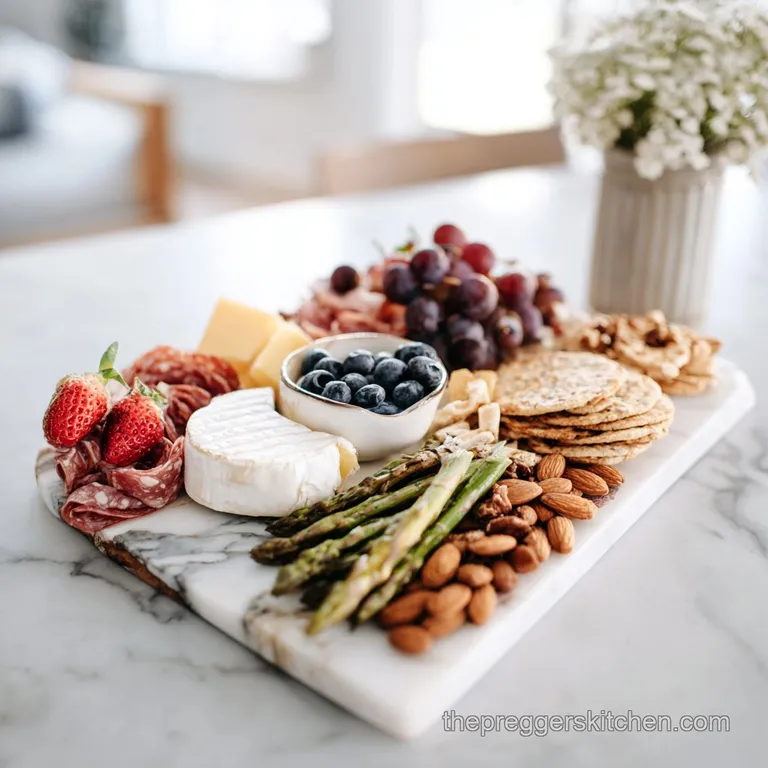
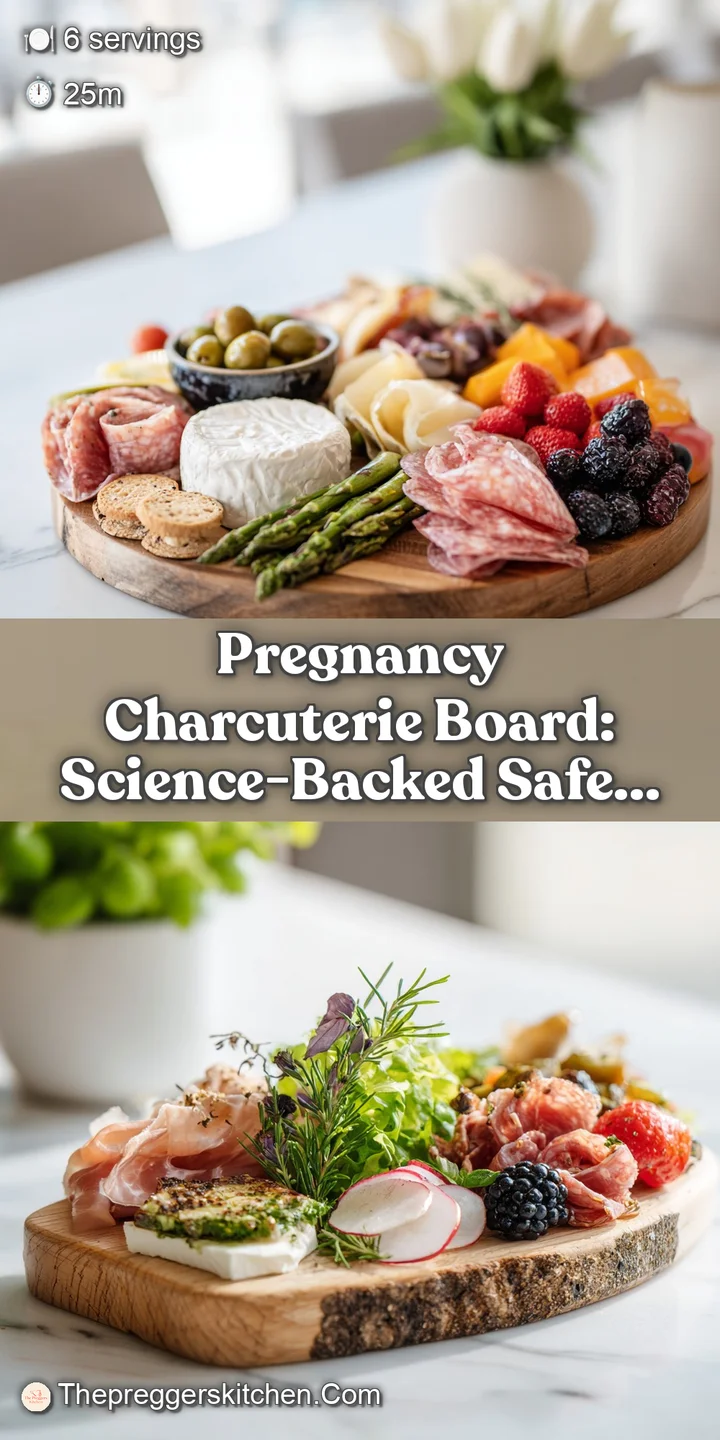
- Time: Active 20 minutes, Passive 5 minutes, Total 25 minutes
- Flavor/Texture Hook: Silky pasteurized cheeses paired with a shatter crisp sourdough
- Perfect for: Baby showers, nutrient rich snacking, or curbing intense salty cravings
- Safely Creating a Pregnancy Charcuterie Board Now
- Microbiology of Safe Snacking Science
- Component Analysis for Optimal Safety
- Selecting Nutrient Dense Board Elements
- Necessary Gear for Sanitary Prep
- Mastering the Steaming Assembly Steps
- Fixing Common Texture and Safety Flubs
- Adjusting Portions for Various Needs
- Debunking Misconceptions About Pregnancy Safety
- Preserving Freshness and Reducing Waste
- Beverage Pairings and Final Presentation
- Critical in Sodium
- Recipe FAQs
- 📝 Recipe Card
Safely Creating a Pregnancy Charcuterie Board Now
That first whiff of a sharp, aged cheddar or the specific snap of a cold cornichon can send a pregnant brain into a total tailspin. I remember sitting at a friend's party, staring at a gorgeous wooden board draped in prosciutto and brie, feeling like I was looking at a forbidden museum exhibit.
The "rules" usually tell us to just skip the fun stuff entirely, but honestly, that’s just not how I cook. We don’t need to skip the experience; we just need to understand the biology behind it.
The real worry with a traditional spread is Listeria monocytogenes, a pesky bacteria that can hide in unpasteurized cheeses and cold deli meats. But here’s the thing: heat is the great equalizer.
By making a few smart swaps and using a quick "steaming" technique for the meats, we can create a spread that hits all those velvety, salty, and crunchy notes without the stress. We're talking about a board that actually supports your body with iron rich roast beef and choline packed eggs.
This isn’t just a "compromise" board. It’s a carefully engineered collection of flavors that respects your changing palate. We're going to use the science of pasteurization to our advantage and lean into hard cheeses that are naturally lower in moisture, making them less hospitable to bacteria.
Trust me, once you hear that sourdough baguette shatter as you bite into it, you won’t feel like you’re missing out on a single thing.
Microbiology of Safe Snacking Science
- Thermal Lethality: Heating deli meats to an internal temperature of 165°F effectively neutralizes Listeria bacteria by denaturing their cellular proteins.
- Water Activity (aw): Hard cheeses like Manchego have low water activity, which inhibits microbial growth compared to high moisture soft cheeses.
- Enzymatic Pasteurization: Using heat treated milk ensures that pathogenic microorganisms are destroyed before the cheesemaking process even begins.
- Choline Bioavailability: Hard boiling eggs at 212°F ensures both safety and the setting of yolk lipids, providing essential nutrients for fetal brain development.
| Meat Thickness | Internal Temp | Rest Time | Visual Cue |
|---|---|---|---|
| Paper Thin | 165°F | 1 minute | Steaming and slightly curled |
| Standard Slice | 165°F | 2 minutes | Surface glistens with rendered fat |
| Cubed / Thick | 165°F | 3 minutes | Edges turn opaque and firm |
Component Analysis for Optimal Safety
While many people think all cheese is off limits, the reality is all about the "Pasteurized" label. If you’re looking for more ways to incorporate these healthy fats, you might enjoy my Pregnancy Superfood Salad recipe which uses similar high-quality dairy. Understanding the role of each ingredient helps you build a board that is as functional as it is beautiful.
| Ingredient | Science Role | Pro Secret |
|---|---|---|
| Hard Salami | High Sodium/Low pH | Buy nitrate free to avoid oxidative stress. |
| Goat Cheese | Acidic Pasteurization | Ensure the label explicitly states "Pasteurized" to guarantee safety. |
| Marcona Almonds | Monounsaturated Fats | Roast them slightly to release oils for a better crunch. |
| Red Grapes | Hydration & Polyphenols | Wash in a vinegar solution to remove surface biofilms. |
Selecting Nutrient Dense Board Elements
Building a safe charcuterie board for pregnancy requires a discerning eye for labels. You want to look for the word "Pasteurized" on every single cheese package. If it's not there, leave it on the shelf.
For the meats, we are going to use heat to make them safe, so pick high-quality cuts from a reputable deli counter rather than the mystery packs in the middle of the store.
- 4 oz Prosciutto: Thinly sliced. Why this? Salt cured but must be heated until steaming to ensure total safety.
- 4 oz Deli Turkey or Roast Beef: High in iron. Why this? Provides essential heme iron; requires heating to 165°F.
- 4 oz Hard Salami: Nitrate free. Why this? Lower moisture content makes it a safer base than soft sausages.
- 2 Large Eggs: Grade A. Why this? Excellent source of choline once fully hard boiled.
- 5 oz Sharp Aged Cheddar: 12 month aged. Why this? Hard cheese with very low risk of bacterial contamination.
- 4 oz Pasteurized Goat Cheese: Log form. Why this? Tangy flavor that mimics soft cheeses safely when pasteurized.
- 5.2 oz Garlic & Herb Boursin: Pasteurized wheel. Why this? Creamy texture that spreads easily on crackers.
- 4 oz Pasteurized Manchego: Wedges. Why this? Sheep's milk cheese that offers a nutty profile safely.
- 1 cup Red Grapes: Firm and sweet.
- 1/2 cup Dried Apricots: Sulfite free.
- 1/2 cup English Cucumber: Sliced thin.
- 1/4 cup Pasteurized Olives: Brine packed.
- 4 oz Seeded Whole Grain Crackers: For fiber.
- 8 oz Sourdough Baguette: Sliced.
- 1/4 cup Marcona Almonds: Roasted with salt.
Necessary Gear for Sanitary Prep
To keep your pregnancy charcuterie board safe, you need to prevent cross contamination. This means your cutting board for produce should never touch your meat prep area. I highly recommend using a digital meat thermometer (like a Thermapen) to verify that your deli meats actually hit that 165°F mark.
A simple microwave safe plate and some parchment paper are also key for the "steaming" step without making the meat tough.
For the assembly, a large marble or wooden board is fine, but make sure it has been scrubbed with hot, soapy water. If you're planning on serving this at a party, having small individual tongs or honey dippers helps keep hands off the food, which is another layer of safety you'll appreciate.
Mastering the Steaming Assembly Steps
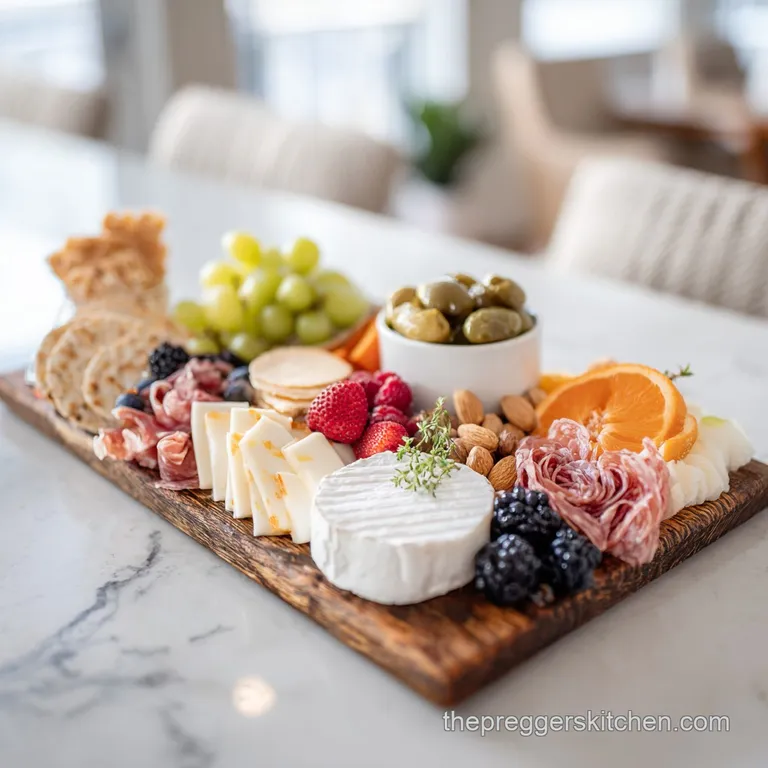
- Boil the eggs. Place 2 large eggs in a pot, cover with water, and boil for 9 minutes. Note: This ensures the yolks are completely set and safe.
- Sanitize the produce. Wash 1 cup red grapes and 1/2 cup cucumber in a bowl of water with a splash of vinegar. Wait until they are bone dry before plating.
- Heat the deli meats. Place prosciutto, turkey, and salami on a microwave safe plate. Cover with a damp paper towel.
- Execute the steam. Microwave on high for 30-45 seconds until the meat is visibly steaming and hot to the touch.
- Check the temp. Use a thermometer to ensure the meat has reached 165°F. Note: This is the critical safety threshold for pregnancy.
- Toast the baguette. Slice the 8 oz sourdough and toast in the oven at 350°F (180°C) for 5 minutes until the edges are golden and they shatter when pressed.
- Place the cheeses. Position the Cheddar, Goat Cheese, Boursin, and Manchego in different corners of the board. Keep them at room temperature for 15 minutes for better flavor.
- Anchor with bowls. Put the olives and almonds in small ramekins to prevent their oils from soaking into the crackers.
- Fan the meats. Once the meat has cooled slightly (but is still warm), fold and fan it around the cheeses. Look for a colorful, overlapping pattern.
- Fill the gaps. Tuck in the grapes, apricots, cucumber slices, and crackers until no wood is visible on the board.
Fixing Common Texture and Safety Flubs
Why Your Steamed Meat Is Rubbery
If the deli meat is heated too long or without moisture, the proteins tighten up and become leathery. This usually happens when people skip the damp paper towel or use a high wattage microwave for too long. To fix this, always use the "damp towel" method which creates a gentle steam environment.
If it's already rubbery, chop it finely and mix it into a bit of the Boursin cheese to mask the texture.
Why the Crackers Get Soggy
The most common mistake is placing "wet" items like cucumbers or washed grapes directly against the crackers. The moisture migrates into the starch, ruining that satisfying crunch. You must ensure all produce is completely dry.
I like to use the "structural barrier" method put the almonds or the hard cheddar between the grapes and the crackers to act as a dam.
| Problem | Root Cause | Solution |
|---|---|---|
| Greasy Salami | Fat rendering during heating | Pat the salami with a paper towel after steaming. |
| Crumbly Goat Cheese | Temperature shock | Let the cheese sit at room temperature for 10 minutes before slicing. |
| Hard Egg Yolks | Overcooking | Shock in an ice bath immediately after the 9 minute mark. |
Common Mistakes Checklist
- ✓ Never use "raw" or "unpasteurized" milk cheeses (check the back label!).
- ✓ Ensure the deli meat is steaming hot, not just "warm."
- ✓ Don't let the board sit out for more than 2 hours at room temperature.
- ✓ Use separate knives for the goat cheese and the cheddar to keep flavors clean.
- ✓ Avoid high mercury seafood additions like king mackerel or swordfish.
Adjusting Portions for Various Needs
If you’re making this for a solo lunch, you can easily cut everything by half. Since you have to heat the meat anyway, I often just heat what I need for one sitting. For a larger crowd, don't just double the meat; increase the variety of crackers and fruit.
If you're doubling the recipe, work in batches when heating the meat so it doesn't get cold before you finish assembling the larger board.
When scaling up for a party, keep the "Safe Sear" proteins in a separate warming dish if you're worried about them sitting out. For another great group option, you could try my Pregnancy Friendly Charcuterie recipe which is already portioned for larger groups.
| Premium Item | Budget Alternative | Flavor Impact | Savings |
|---|---|---|---|
| Marcona Almonds | Roasted Walnuts | Walnuts are earthier and less buttery. | Save $4-6 |
| Manchego | Sharp White Cheddar | Cheddar is more acidic but equally safe. | Save $3-5 |
| Prosciutto | Extra Roast Beef | Beef is heartier but less salty sweet. | Save $5-7 |
Debunking Misconceptions About Pregnancy Safety
"Soft cheese is always forbidden during pregnancy." This is a major myth. The danger isn't the texture of the cheese; it's whether it's made with raw milk. In the United States, almost all soft cheeses sold in grocery stores (like Boursin or goat cheese logs) are pasteurized.
If the label says pasteurized, it is safe to eat.
"Cured meats are safe because the salt kills everything." Salt does inhibit some bacteria, but Listeria is incredibly hardy and can survive high salt environments. Cold smoking or salt curing alone isn't enough to guarantee safety for a developing fetus.
That’s why the steaming step to 165°F is a non negotiable for any pregnancy safe charcuterie board ideas.
Preserving Freshness and Reducing Waste
Storage: If you have leftovers, keep the meats, cheeses, and produce in separate airtight containers in the fridge for up to 3 days. Do not store them on the board, as the flavors and moisture will migrate. The crackers should stay in their original box or a sealed bag to maintain their snap.
Zero Waste: If you find yourself with bits of leftover Manchego or Cheddar, grate them into a container and use them for an omelet the next morning. Leftover steamed deli meat can be chopped and tossed into a Pregnancy Safe Caesar recipe for an extra boost of protein. Even the cucumber ends and grape stems can be tossed into your compost bin.
Beverage Pairings and Final Presentation
To make this feel like a true "happy hour," pair your board with a crisp, non alcoholic drink. A sparkling water with a splash of pomegranate juice and a lime wedge mimics the acidity of a dry wine without the alcohol.
If you're feeling fancy, a sprig of fresh rosemary in the glass adds a sensory aroma that complements the Marcona almonds perfectly.
The visual appeal of your board comes from height and grouping. Don't just spread things out evenly; group the apricots together in a little "river" and fan the crackers out in a long line. The goal is to make it look abundant.
When you're ready to serve, a final sprinkle of flaky sea salt over the cucumber slices can make the whole board pop. It’s these little details that turn a "safe" meal into a truly satisfying one.
Critical in Sodium
1385 mg mg of sodium per serving (60% % of daily value)
The American Heart Association recommends limiting sodium intake to no more than 2,300mg per day for most adults. Ideally, aim for less than 1,500mg per day.
Tips to Reduce Sodium in Your Charcuterie Board
-
Swap Low-Sodium Meats-25%
Processed meats like prosciutto and salami are major sodium contributors. Opt for freshly cooked, unsalted chicken or roast beef, and look for low-sodium versions of turkey or ham.
-
Choose Low-Sodium Cheeses-15%
Hard and aged cheeses, like cheddar and Manchego, are often high in sodium. Select low-sodium or fresh cheeses like mozzarella or ricotta to significantly reduce the sodium content. Consider increasing the goat cheese portion, which is generally lower in sodium.
-
Limit Olives/Cornichons-10%
Olives and cornichons are typically packed in brine, making them high in sodium. Reduce the portion size of olives/cornichons, or rinse them thoroughly before serving to remove excess salt.
-
Select Low-Sodium Crackers/Bread-10%
Crackers and sourdough bread can contribute to the overall sodium content. Choose unsalted crackers or a low-sodium baguette, or consider serving the board with more fresh vegetables like cucumber and bell pepper slices instead.
-
Enhance Flavor with Herbs & Spices
Instead of relying on salt for flavor, experiment with fresh or dried herbs and spices like pepper, garlic powder (not garlic salt!), onion powder, or paprika to add depth and complexity to your charcuterie board.
Recipe FAQs
What is the 3-3-3 rule for charcuterie boards?
This is not a standard culinary rule for charcuterie boards. The 3-3-3 concept is often used in other contexts, but for safety and variety, focus on balancing textures (soft cheese, hard cheese, meat, fruit, crunch) rather than arbitrary numbers.
Is it okay to eat prosciutto while pregnant?
No, unless heated first. Uncooked, cured meats like prosciutto must reach an internal temperature of 165°F to neutralize potential bacteria like Listeria.
What is a safe alternative to Brie during pregnancy?
Use only pasteurized Brie or select aged hard cheeses. Look specifically for "Pasteurized" on the label; if it is raw milk Brie, it is unsafe.
Can I eat pepperoni from a charcuterie board while pregnant?
No, unless you heat it until steaming. Pepperoni, like all deli meats, must be heated to 165°F for safety during pregnancy; the curing process alone is insufficient protection.
How do I safely prepare deli meats for a pregnancy charcuterie board?
Microwave the meats until they are visibly steaming. Place the slices on parchment paper or a damp paper towel and heat until the internal temperature reaches 165°F to ensure all pathogens are destroyed, similar to cooking proteins in a Pregnancy Safe Egg recipe.
How should I choose safe cheeses for my board?
Check the label for the word "Pasteurized." Soft cheeses are only safe if made with pasteurized milk; hard cheeses like aged Cheddar are inherently lower risk due to low water content.
What is the best way to introduce new textures safely when modifying recipes?
Focus on controlled heat application to change food structure. If you mastered the sensory doneness cues when heating your deli meats here, apply that temperature precision when preparing other high protein items for snacks.
Pregnancy Charcuterie Board Guide
Ingredients:
Instructions:
Nutrition Facts:
| Calories | 738 kcal |
|---|---|
| Protein | 35.4 g |
| Fat | 44.7 g |
| Carbs | 47.2 g |
| Fiber | 4.1 g |
| Sugar | 12.8 g |
| Sodium | 1385 mg |
