Pregnancy Safe Ranch Dressing Recipe
- Time: Active 5 minutes, Passive 0 minutes, Total 5 minutes
- Flavor/Texture Hook: Zesty, velvety herb infusion
- Perfect for: Wholesome prenatal salads or veggie dips
- The Science Backed Pregnancy Safe Ranch Dressing Recipe
- Beyond the Bottle Journey
- Why This Wholesome Emulsion Works
- Component Analysis
- Selecting Safe Base Elements
- Essential Tools for Silky Results
- Mastering the Velvety Whisking Process
- Solving Flavor and Texture Issues
- Wholesome Adaptations for Specific Needs
- Cold Storage and Waste Prevention
- Nutrient Dense Complements and Pairings
- Myths Regarding Ranch Safety
- Pregnancy Safe Ranch Dressing FAQs
- 📝 Recipe Card
The Science Backed Pregnancy Safe Ranch Dressing Recipe
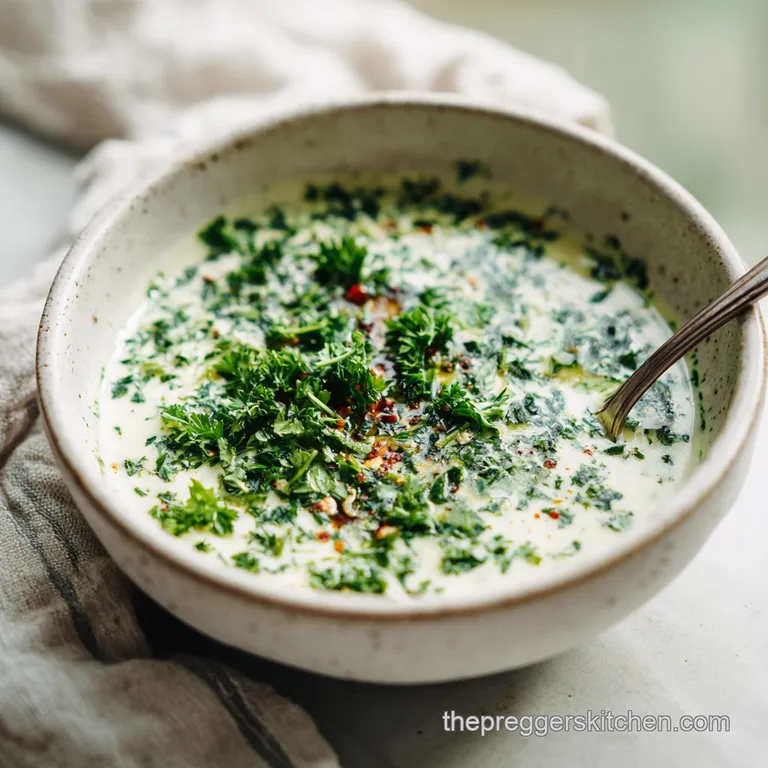
The sharp, clean scent of fresh lemon juice hitting a bowl of thick, velvety sour cream is one of those kitchen moments that feels instantly refreshing. When I first started navigating the rules of prenatal eating, I realized how much I missed the comfort of a good ranch dressing.
Most bottled versions were fine, but they often felt flat or overly processed, and the "house made" versions at cafes always sparked a tiny bit of anxiety about raw egg yolks or unpasteurized dairy.
I spent weeks testing this specific ratio in my own kitchen, focusing on how dried herbs actually hydrate better in a high fat medium than fresh ones do over a short period. We want that classic "shatter" of flavor from the black pepper and the earthy depth of dill, but we need it to be scientifically sound.
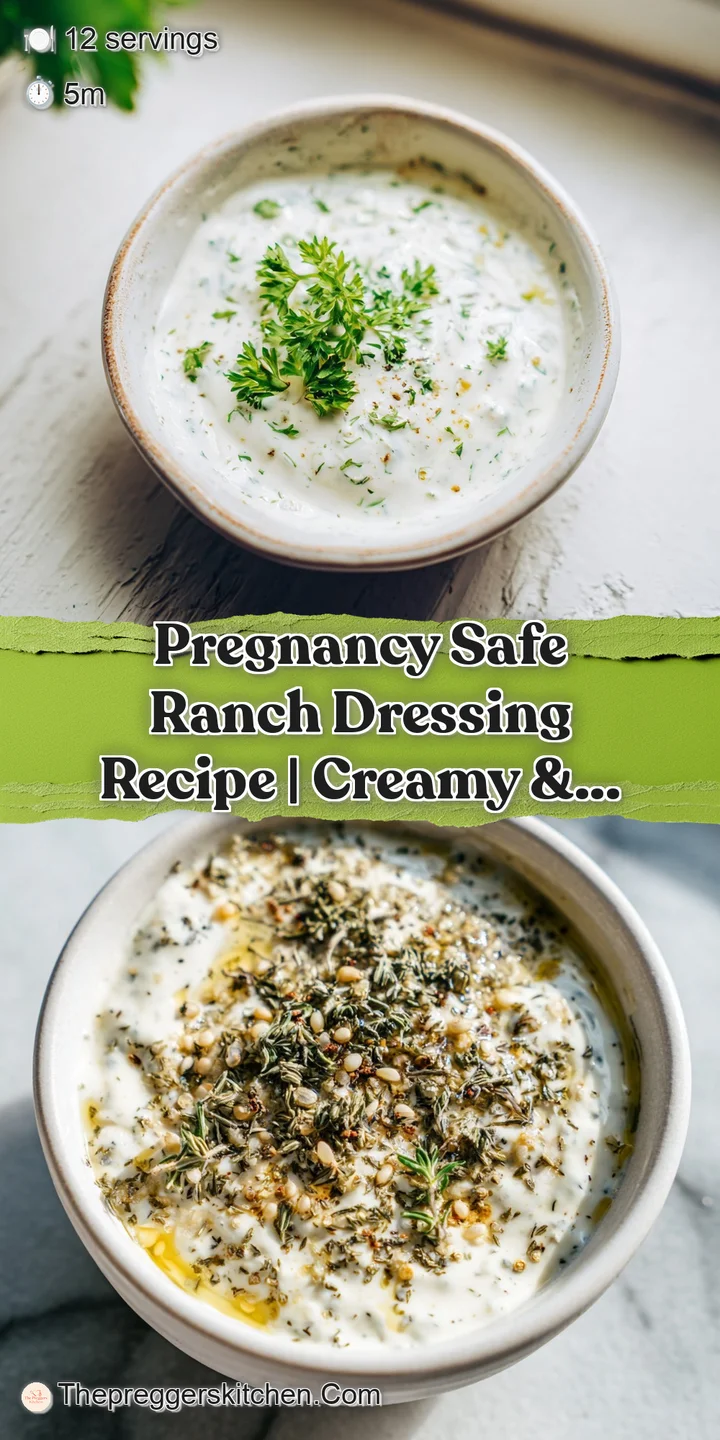
This version uses strictly pasteurized ingredients to eliminate any risk of foodborne illness while maintaining a rich, folate friendly profile that pairs beautifully with a crisp garden salad.
Beyond the Bottle Journey
Transitioning to a diet focused on wellness and safety doesn't mean sacrificing the textures that make eating a joy. I remember standing in the grocery aisle, squinting at labels of national ranch brands, feeling frustrated by the long lists of preservatives and stabilizers.
I wanted something that felt wholesome and nutrient dense, yet had that unmistakable tang that only real buttermilk can provide.
It took three or four attempts to get the acidity just right. Too much lemon and the dairy curdles; too little, and the dressing feels heavy and dull on the tongue. By balancing 1 tsp fresh lemon juice with the lactic acid in 1/4 cup pasteurized buttermilk, I found the "sweet spot" where the dressing clings to a carrot stick without being clumpy.
It’s about more than just safety - it’s about reclaiming the ritual of a truly satisfying meal.
Why This Wholesome Emulsion Works
The Lactic Buffer: The combination of sour cream and buttermilk creates a controlled acidic environment that naturally tenderizes the dried herbs. This process, known as hydration, allows the volatile oils in the dried dill and parsley to bloom without requiring heat.
Emulsion Stability: By starting with a commercially prepared pasteurized mayonnaise base, we utilize pre existing emulsifiers like lecithin. This ensures the 15.7 g of fat per serving stays perfectly suspended, resulting in a silky mouthfeel rather than a greasy one.
Microbial Integrity: Selecting strictly pasteurized dairy components ensures that any potential pathogens, such as Listeria, have been eliminated through heat treatment.
This provides a high margin safety profile essential for prenatal wellness while keeping the protein content at a stable 0.5 g per serving.
| Prep Method | Total Time | Texture | Best For |
|---|---|---|---|
| The Flash Whisk | 2 minutes | Thin/Pourable | Quick side salads |
| The Chill Set | 2 hours | Thick/Velvety | Dipping fresh vegetables |
| The Overnight Bloom | 12 hours | Deep/Robust | Robust wedge salads |
Allowing the dressing to sit for at least two hours is the secret to moving from "good" to "extraordinary." This passive time allows the dried chives and onion powder to fully integrate with the moisture in the 1/2 cup pasteurized sour cream, creating a unified flavor profile.
Component Analysis
| Ingredient | Science Role | Pro Secret |
|---|---|---|
| Pasteurized Buttermilk | Protein Denaturation | Use "shaken" buttermilk for consistent acidity levels. |
| Dried Dill Weed | Aromatic Volatility | Rub the dill between your palms to release oils. |
| Lemon Juice | PH Balancing | Fresh juice provides brighter top notes than bottled. |
| Sea Salt | Flavor Potentiator | Salt bridges the gap between herb bitterness and fat. |
Understanding the role of each element helps in creating a consistent result every time you whisk. For instance, the sea salt isn't just for saltiness; it actually draws moisture out of the dried herbs to speed up the flavor release process.
Selecting Safe Base Elements
To recreate this at home, you’ll need to gather a few pantry staples and fresh dairy items. Ensure everything is fresh and well within its "best by" date for the highest nutrient density.
- 1 cup commercially prepared pasteurized mayonnaise: Why this? Provides a safe, stable emulsion base without raw egg risks.
- 1/2 cup pasteurized sour cream: Why this? Adds thickness and a rich, tangy cultured dairy flavor.
- 1/4 cup pasteurized buttermilk: Why this? Thins the dressing to a pourable consistency while adding lactic tang.
- 1 tsp dried parsley: Why this? Provides a clean, grassy foundation for the other herbs.
- 1/2 tsp dried dill weed: Why this? The signature "ranch" flavor that provides aromatic depth.
- 1/2 tsp dried chives: Why this? Adds a mild, onion like bite without the harshness of raw onion.
- 1/2 tsp garlic powder: Why this? Distributes savory notes more evenly than fresh minced garlic.
- 1/2 tsp onion powder: Why this? Enhances the savory "umami" profile of the dressing base.
- 1/4 tsp sea salt: Why this? Sharpens all other flavors and balances the dairy fats.
- 1/4 tsp cracked black pepper: Why this? Provides a subtle heat and visual flecks of spice.
- 1 tsp fresh lemon juice: Why this? Cuts through the richness and brightens the overall palate.
- 1/2 tsp Worcestershire sauce: Why this? Adds a fermented, savory complexity that rounds out the finish.
If you are looking for other ways to keep your meals interesting during this time, you might also enjoy my Blue Cheese Dressing recipe which uses similar safe handling principles for a different flavor profile.
Essential Tools for Silky Results
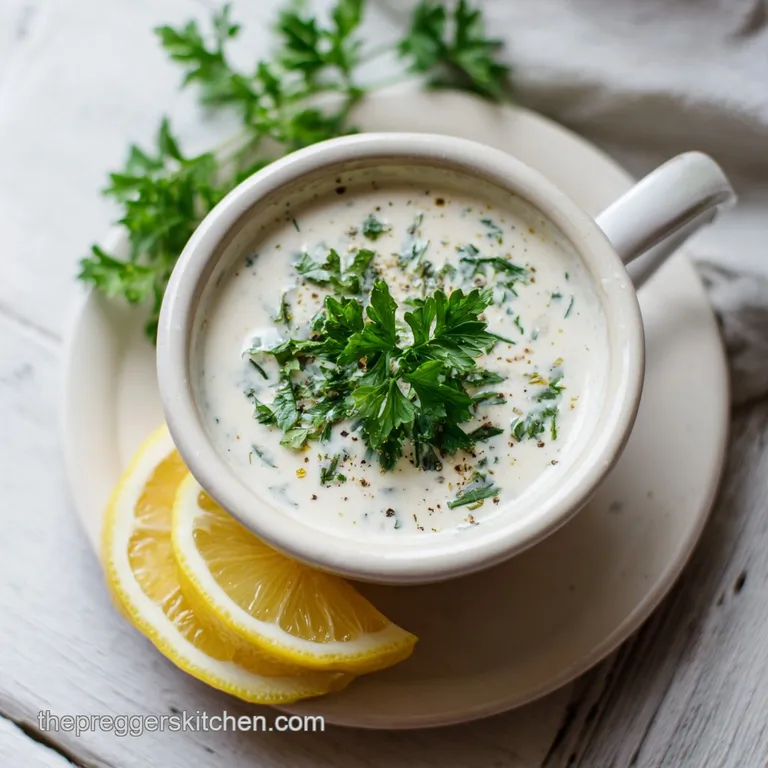
You don't need a high end food processor for this recipe, though a small one can help if you prefer a completely pulverized herb look. A simple stainless steel whisk and a glass mixing bowl are usually all I use to avoid over aerating the dairy.
Chef's Tip: Use a silicone spatula to scrape the sides of the bowl midway through mixing. This ensures that no clumps of onion powder or salt are left hiding at the bottom, which could cause a "salt bomb" in your first bite.
If you find yourself making this often, investing in a dedicated glass jar with a tight sealing lid is a smart move. This allows you to "shake mix" the dressing, which is actually more efficient at emulsifying the buttermilk into the heavier mayonnaise than stirring by hand.
Mastering the Velvety Whisking Process
- Place the 1 cup pasteurized mayonnaise into a medium glass mixing bowl. Note: Glass is non reactive and won't affect the acidity of the lemon.
- Add the 1/2 cup pasteurized sour cream and 1/4 cup pasteurized buttermilk to the mayo.
- Whisk the dairy gently until the mixture is smooth and streak free.
- Measure out the dried parsley, dill, chives, garlic powder, and onion powder.
- Sprinkle the herbs over the dairy base rather than dumping them in one spot. Note: This prevents clumping of the fine powders.
- Add the 1/4 tsp sea salt and 1/4 tsp cracked black pepper.
- Pour in the 1 tsp fresh lemon juice and 1/2 tsp Worcestershire sauce.
- Whisk vigorously for about 30 seconds until the herbs are evenly distributed.
- Taste the dressing using a clean spoon. Note: The flavors will be mild now but will intensify as they sit.
- Transfer to a sealed container and refrigerate for at least 30 minutes until the texture thickens slightly.
The "The Physics of the Rise" isn't applicable here, but the physics of the suspension is. You'll notice the dressing looks a bit thin right after mixing; this is normal. As the proteins in the sour cream react with the lemon juice, the mixture will naturally set into a more stable, spoonable consistency.
Solving Flavor and Texture Issues
Sometimes things don't go exactly to plan in the kitchen. If your ranch feels a bit off, it’s usually a simple fix involving the ratio of liquid to fat.
Why Your Ranch Is Runny
If the dressing seems too liquid, it's often because the buttermilk was added too quickly or the mayonnaise was a lower fat "light" version. Light mayo has a higher water content, which can break the emulsion.
| Problem | Root Cause | Solution |
|---|---|---|
| Thin/Runny Texture | Excess liquid or low-fat mayo | Whisk in an extra tablespoon of sour cream. |
| Bland Flavor | Cold herbs haven't bloomed | Let it sit at room temperature for 10 minutes, then re chill. |
| Overly Salty | Salt brand variation | Add a teaspoon of sour cream or a tiny pinch of sugar. |
Common Mistakes Checklist
- ✓ Always check that your mayonnaise and sour cream are labeled "pasteurized."
- ✓ Don't skip the Worcestershire sauce - it provides the "hidden" depth that makes it taste professional.
- ✓ Use dried herbs instead of fresh if you plan on keeping the dressing for more than 2 days.
- ✓ Avoid over whisking, which can incorporate too much air and make the dressing foamy.
- ✓ Ensure your lemon is at room temperature to get the maximum amount of juice.
For another quick and safe meal idea, check out my Pregnancy Safe Egg recipe which is also a great high protein lunch option that uses pasteurized bases.
Wholesome Adaptations for Specific Needs
If you need to scale this recipe up for a family gathering, you can easily double the ingredients. Just be mindful of the spices; I usually recommend only increasing the salt and pepper to 1.5x the original amount rather than a full 2x to avoid over seasoning.
When scaling down for a single serving, use a tablespoon as your primary measuring tool.
For a Keto Lifestyle
This pregnancy safe ranch dressing recipe is naturally keto friendly with only 0.9 g of carbohydrates per serving. To keep it strictly keto, ensure your Worcestershire sauce doesn't contain added high fructose corn syrup.
You can also swap the buttermilk for heavy cream mixed with a splash of vinegar to lower the carb count even further.
For a dairy-free Alternative
If you are avoiding dairy, you can substitute the sour cream and buttermilk with an almond based or coconut based unsweetened yogurt. Note: This will significantly change the flavor profile, adding a slight nutty or tropical note to the finish, so you may want to increase the garlic powder slightly to compensate.
Cold Storage and Waste Prevention
Because this recipe uses fresh dairy, it should always be stored in the coldest part of your refrigerator. It will stay fresh and velvety for up to 7 days. I do not recommend freezing this dressing, as the emulsion will likely "break" upon thawing, resulting in a grainy, separated mess that is impossible to whisk back together.
To reduce waste, if you find yourself with leftover dressing that's nearing its 7 day limit, use it as a marinade for chicken breasts. The lactic acid in the buttermilk and sour cream acts as a fantastic tenderizer. You can also mix it into mashed potatoes for a tangy, herby twist on a classic side dish.
Using every drop ensures you get the most out of your nutrient dense ingredients.
Nutrient Dense Complements and Pairings
This dressing is incredibly versatile beyond just being a salad topper. I love using it as a dip for roasted broccoli or cauliflower the char from the vegetables contrasts perfectly with the cool, creamy herbs. It also makes a fantastic spread for a Pregnancy Safe Lunch recipe if you're looking for a safe way to add moisture to a sandwich.
Consider pairing this with a protein heavy bowl featuring quinoa, roasted chickpeas, and kale. The healthy fats in the dressing (15.7 g per serving) help your body absorb the fat soluble vitamins (A, D, E, and K) found in the leafy greens.
It turns a simple bowl of vegetables into a complete, balanced meal that supports both you and your baby's development.
Myths Regarding Ranch Safety
One common misconception is that all homemade dressings are unsafe during pregnancy. This simply isn't true if you understand the source of your ingredients. Commercial mayonnaise, like the 1 cup used here, is made with pasteurized eggs, which are heat treated to kill bacteria.
As long as you aren't using raw eggs from a farm stand, your base is perfectly safe.
Another myth is that "ranch dressing is just empty calories." While it is calorie dense (148 calories per serving), when made with quality ingredients, it provides essential fats and a small amount of protein.
By making it yourself, you avoid the inflammatory seed oils and excess sugars often found in shelf stable bottles, making it a much more functional part of your prenatal diet.
Finally, some people believe that dried herbs are "dead" flavors. In reality, dried herbs like dill and chives are concentrated versions of their fresh counterparts. When given time to hydrate in a fat based dressing, they offer a more consistent and robust flavor profile that won't wilt or turn bitter like fresh herbs can after a few days in the fridge.
Pregnancy Safe Ranch Dressing FAQs
Which ranch dressing is safe for pregnancy?
Homemade using strictly pasteurized ingredients. store-bought dressings often contain questionable stabilizers; making your own ensures you control the safety of the mayonnaise and dairy components.
Which ranch dressings are pasteurized?
The safety comes from the ingredients, not the final dressing type. For this recipe, ensure your commercial mayonnaise, sour cream, and buttermilk explicitly state they are made from pasteurized milk and eggs.
What salad dressings are safe in pregnancy?
Vinaigrettes or dressings based on pasteurized ingredients are generally safest. Avoid any dressing containing raw dairy, unpasteurized cheese, or homemade mayonnaise made with raw egg yolks.
What is the healthiest ranch dressing?
The healthiest version is one made with high-quality, pasteurized whole milk products. This recipe balances healthy fats needed for nutrient absorption with safe cultured dairy, making it superior to most commercial options.
How do I ensure the dried herbs stay fully flavored and not gritty?
Rub the dried herbs between your palms before adding them to the mix. This action releases the essential oils, allowing them to bloom better in the fat base, similar to the flavor technique used in our Iron Rich Vegetarian recipe.
Is it true I must avoid all buttermilk when pregnant?
No, this is a common misconception, provided it is pasteurized. Cultured buttermilk from the store is heated to eliminate pathogens and is perfectly safe, offering beneficial lactic acid for tanginess.
How can I make this ranch thicker if it ends up too runny?
Whisk in one extra tablespoon of pasteurized sour cream or pasteurized mayonnaise. This introduces more stable emulsion solids to bind the liquid, which is the same principle we use to control texture in our Postpartum Meal Prep recipe.
Pregnancy Ranch Dressing Recipe
Ingredients:
Instructions:
Nutrition Facts:
| Calories | 148 calories |
|---|---|
| Protein | 0.5 g |
| Fat | 15.7 g |
| Carbs | 0.9 g |
| Fiber | 0.1 g |
| Sugar | 0.6 g |
| Sodium | 177 mg |
