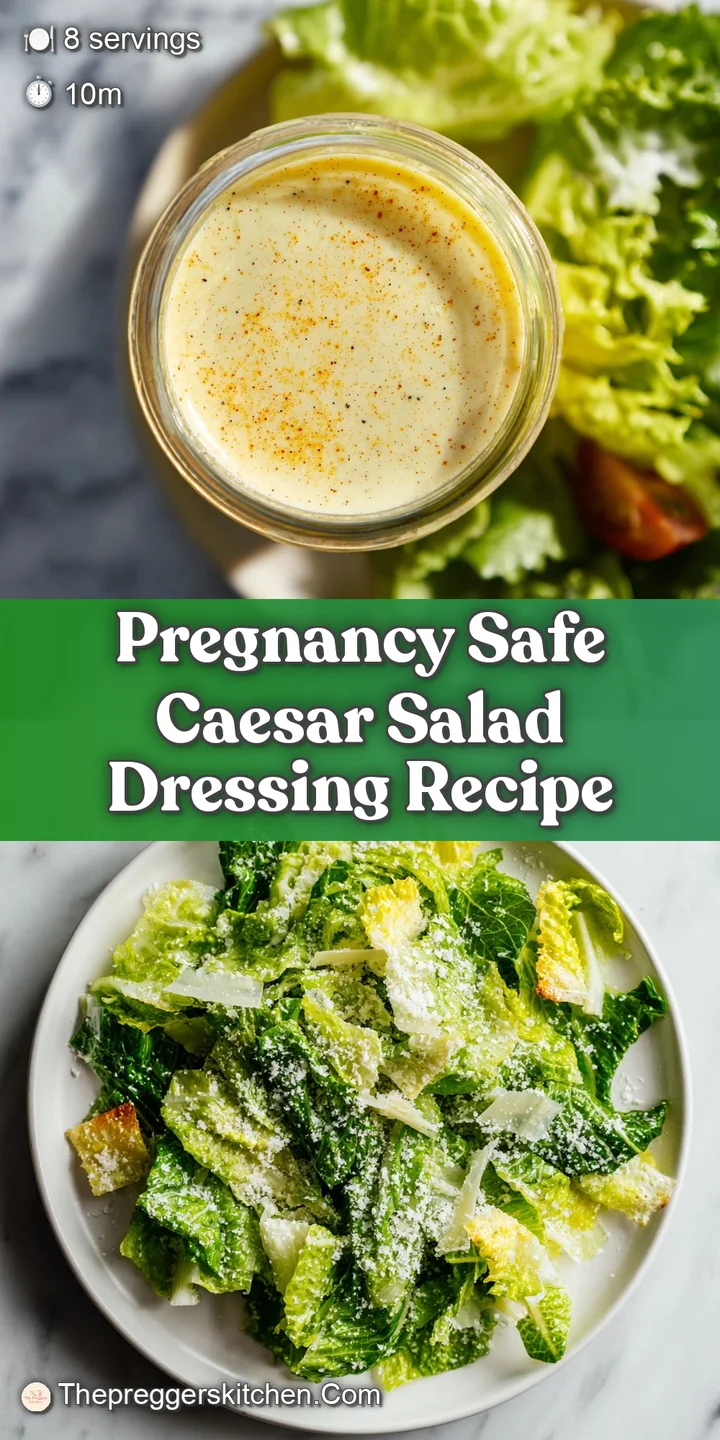
Pregnancy Safe Caesar Salad Dressing
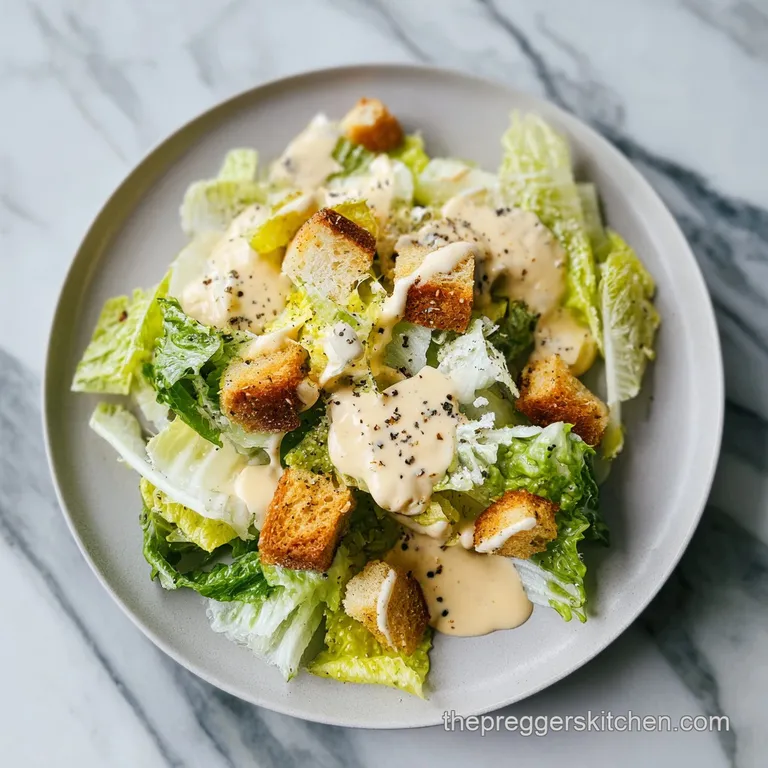
- Time: Active 10 minutes, Passive 0 minutes, Total 10 minutes
- Flavor/Texture Hook: Velvety, punchy, and sharp
- Perfect for: Prenatal lunch prep or nutrient dense dinners
- Creating My Signature Pregnancy Safe Caesar Salad Dressing
- Precision Engineering for Optimal Nutrient Delivery
- Component Analysis for Prenatal Wellness
- Scientific Selection of Ingredients and Substitutes
- Specialized Equipment for Silky Results
- Methodical Steps for the Perfect Emulsion
- Strategies for Avoiding Dressing Disasters
- Customizing Your Nutritional Profile
- Preservation and Waste Reduction Guidelines
- Serving for Maximum Sensory Impact
- Debunking Culinary Safety Myths
- Recipe FAQs
- 📝 Recipe Card
Creating My Signature Pregnancy Safe Caesar Salad Dressing
The sharp, zesty aroma of freshly squeezed lemon juice hitting a wooden bowl always takes me back to my first trimester. I remember sitting in a bistro, staring longingly at a menu, and realizing that my favorite classic Caesar was suddenly off limits because of the raw egg yolks.
That specific craving for a salty, umami rich dressing became my mission. I spent weeks in my kitchen experimenting with various bases to find that specific velvety "clink" of a fork against a perfectly coated leaf of romaine.
We often think of Caesar dressing as a simple condiment, but for a pregnant woman, it represents a calculated choice for safety and wellness. This version focuses on using 1/2 cup (120g) of high-quality pasteurized mayonnaise as the structural foundation.
This provides the necessary fat and emulsifiers without the risk of Salmonella associated with unpasteurized eggs. When you whisk in that 1/4 cup (25g) of finely grated Parmesan, you aren't just adding flavor; you're incorporating a source of calcium that is vital for fetal bone development.
This recipe is designed for precision and peace of mind. By leaning into the science of emulsification and choosing ingredients like anchovy paste and Dijon mustard, we replicate the depth of a traditional Caesar. The result is a dressing that feels indulgent but remains entirely wholesome and nutrient dense.
It’s a reliable staple that ensures you never have to compromise on flavor during these important nine months.
Precision Engineering for Optimal Nutrient Delivery
- Emulsion Stabilization: The lecithin in the pasteurized mayonnaise acts as a powerful emulsifier, binding the 1.5 tbsp (20g) of extra virgin olive oil and lemon juice into a stable, velvety matrix.
- Acid Base Balancing: The 2 tbsp (30ml) of lemon juice provides a sharp ascorbic acid hit that cuts through the lipid heavy mayo, while also enhancing the absorption of iron from your salad greens.
- Umami Synergism: Combining Worcestershire sauce with 1/2 tsp (3g) of anchovy paste creates a complex savory profile through naturally occurring glutamates, mimicking the depth of aged traditional recipes.
- Aromatic Maceration: Using a fine paste of garlic allows the allicin to distribute evenly, providing a consistent microbial fighting punch throughout every spoonful.
The Physics of the Velvet Texture
This dressing relies on a "static emulsion" technique. Unlike traditional vinaigrettes that require vigorous shaking to temporarily suspend oil in vinegar, this version uses the existing structure of mayonnaise to trap oil droplets permanently.
This prevents the dressing from separating on the plate or becoming watery when it hits the moisture of the lettuce.
| Method Type | Total Time | Texture Profile | Safety Rating |
|---|---|---|---|
| Classic Bistro | 20 minutes | Thin, oily, slightly grainy | High Risk (Raw Egg) |
| The Preggers Way | 10 minutes | Thick, velvety, cohesive | 100% Pregnancy Safe |
| store-bought | 2 minutes | Often gummy or overly sweet | Varies by Brand |
Choosing a homemade approach allows you to control the quality of the fats. While store-bought pasteurized caesar dressing brands are available, making it yourself ensures you are using 1.5 tbsp (20g) of extra virgin olive oil, which is rich in heart healthy monounsaturated fats.
This is a much better option than the low quality seed oils often found in commercial bottles.
Component Analysis for Prenatal Wellness
| Ingredient | Science Role | Pro Secret |
|---|---|---|
| Pasteurized Mayo | Primary Emulsifier | Choose an avocado oil based mayo for extra folate. |
| Lemon Juice | pH Regulator | Zest the lemon before juicing to double the aromatic impact. |
| Anchovy Paste | Umami Concentrator | This provides a concentrated source of Omega-3 fatty acids. |
| Parmesan Cheese | Protein & Texture | Only use hard, aged Parmesan for the lowest moisture content. |
Ensuring every ingredient is safe is our top priority. For those looking for a broader variety of safe meals, you might enjoy integrating this dressing into a Chicken Salad for recipe as a tangy substitute for standard mayo. The acidity in this dressing is particularly effective at balancing the richness of grilled proteins.
Scientific Selection of Ingredients and Substitutes
To achieve the best results, every gram and milliliter in this recipe has been measured for balance. This pregnancy safe caesar salad dressing homemade version relies on high-quality pantry staples.
- 1/2 cup (120g) Pasteurized Mayonnaise: Provides the creamy body. Why this? Using pasteurized eggs eliminates the risk of foodborne illness.
- Substitute: 120g Plain Greek Yogurt (adds a probiotic boost but increases acidity).
- 1/4 cup (25g) Finely Grated Parmesan Cheese: Adds salt and structure. Why this? Hard cheeses are generally safe and provide essential calcium.
- Substitute: 25g Nutritional Yeast (for a dairy-free umami profile).
- 2 tbsp (30ml) Lemon Juice: Provides the bright top notes. Why this? Fresh acid is required to activate the flavors in the garlic.
- Substitute: 30ml White Wine Vinegar (slightly more pungent, less fruity).
- 1.5 tbsp (20g) Extra Virgin Olive Oil: Enhances the mouthfeel. Why this? High in polyphenols which support maternal vascular health.
- Substitute: 20g Avocado oil (more neutral flavor profile).
- 1 tsp (5ml) Worcestershire Sauce: Adds fermented depth. Why this? Contains tamarind and molasses for a complex sweetness.
- Substitute: 5ml Soy Sauce (adds salt but lacks the spiced complexity).
- 1 tsp (5g) Dijon Mustard: Acts as a secondary emulsifier. Why this? The mucilage in mustard seeds helps keep the dressing thick.
- Substitute: 5g Stone ground mustard (adds a rustic, grainy texture).
- 2 Garlic Cloves: Provide the signature bite. Why this? Fresh garlic contains more active allicin than powdered versions.
- Substitute: 1 tsp Garlic paste (ensure it is fresh and not oxidized).
- 1/2 tsp (3g) Anchovy Paste: The secret to "real" Caesar flavor. Why this? Dissolves instantly without the need for chopping whole fillets.
- Substitute: 1 tsp Capers, mashed (provides salt and tang for vegetarians).
- 1/2 tsp (1g) Freshly Cracked Black Pepper: For a subtle, lingering heat. Why this? Pre ground pepper loses its essential oils and flavor depth.
Specialized Equipment for Silky Results
You don't need a kitchen full of gadgets, but a few specific tools make the difference between a chunky sauce and a velvety dressing. A Microplane grater is essential for both the 2 cloves of garlic and the 1/4 cup (25g) of Parmesan.
It turns the garlic into a paste so fine it practically melts into the mayo.
A small balloon whisk is also better than a fork. You need to incorporate the 1.5 tbsp (20g) of olive oil slowly, and the whisk creates the necessary shear force to break that oil into microscopic droplets.
If you’re meal prepping for the week, a wide mouth glass Mason jar is the perfect vessel for both mixing and storage, as it doesn't absorb the strong odors of the garlic and anchovies.
Methodical Steps for the Perfect Emulsion
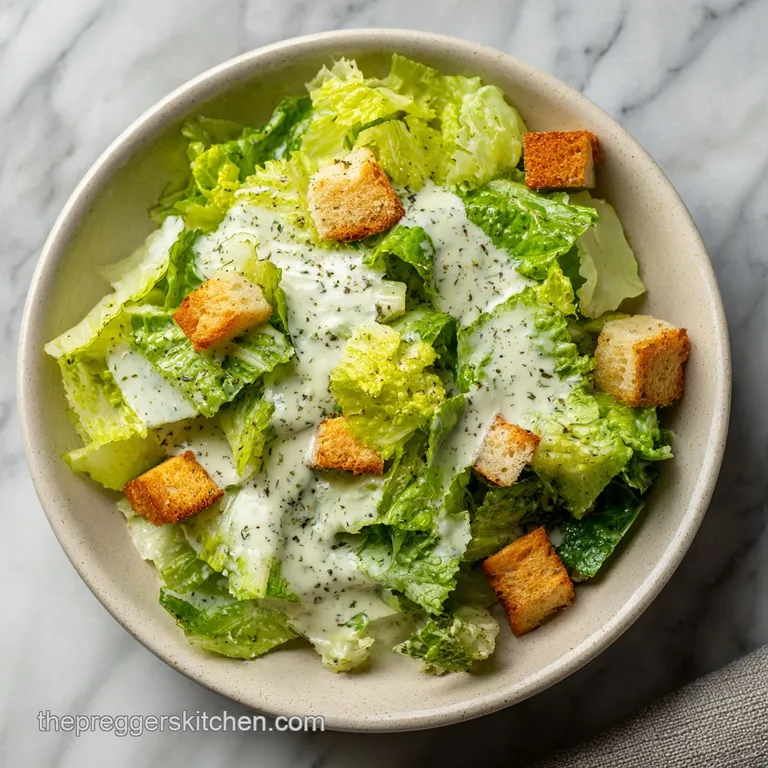
- Prepare the aromatics. Mince the 2 cloves of garlic into a fine paste using a Microplane or the back of a knife. Note: This ensures the garlic flavor is pervasive but never overwhelming.
- Combine the savory base. In a medium bowl, whisk together the 1/2 cup (120g) of pasteurized mayonnaise with the garlic paste and 1/2 tsp (3g) of anchovy paste.
- Integrate the stabilizers. Add the 1 tsp (5g) of Dijon mustard and 1 tsp (5ml) of Worcestershire sauce to the bowl.
- Introduce the acidity. Pour in the 2 tbsp (30ml) of freshly squeezed lemon juice while whisking. Whisk until the mixture is uniform and pale.
- Fold in the cheese. Stir in the 1/4 cup (25g) of finely grated Parmesan cheese until fully incorporated.
- Slow stream the oil. Gradually drizzle in the 1.5 tbsp (20g) of extra virgin olive oil while whisking constantly. Note: Adding the oil slowly prevents the dressing from "breaking" or separating.
- Season with precision. Add the 1/2 tsp (1g) of freshly cracked black pepper.
- Final texture check. Taste the dressing. It should be thick enough to coat the back of a spoon.
- Chill for depth. Transfer to a jar and refrigerate for at least 30 minutes. Note: This allows the garlic and anchovy flavors to marry and mellow.
- Serve fresh. Toss with crisp romaine leaves just before eating to maintain the "shatter" of the lettuce.
Strategies for Avoiding Dressing Disasters
If you find that your dressing is separating or the flavor feels "off," it's usually a matter of temperature or ratios. While this is an easy pregnancy safe caesar dressing, the balance of fat to acid is delicate. If you add the lemon juice too quickly to a very cold mayonnaise, it can occasionally look curdled.
Always try to let your ingredients sit on the counter for five minutes before starting.
Why Your Dressing Separates
When oil isn't properly suspended, it forms large droplets that slick the surface instead of creating a creamy coating. This usually happens if the 1.5 tbsp (20g) of olive oil is dumped in all at once.
| Problem | Root Cause | Solution |
|---|---|---|
| Thin/Watery | Too much lemon juice or low-fat mayo | Add an extra tablespoon of Parmesan to thicken. |
| Overly Salty | Heavy handed anchovy or salty cheese | Increase the mayo by 1 tbsp (15g) to dilute the salt. |
| Harsh Garlic Bite | Garlic pieces were too large | Let the dressing sit for 1 hour; acid will "cook" the garlic. |
Building a safe and satisfying pregnancy menu is all about these small adjustments. For another lunch option that prioritizes safety without losing the gourmet feel, check out my Safe Sushi Bowl recipe. It uses similar principles of using high-quality, treated ingredients to replicate classic flavors.
Common Mistakes Checklist:
- ✓ Always use "pasteurized" labeled mayonnaise and cheese.
- ✓ Never skip the Dijon; it is the chemical "glue" of your emulsion.
- ✓ Whisk in a circular motion, not just back and forth, to incorporate air.
- ✓ If using a blender, pulse on low to avoid overheating the olive oil, which can turn it bitter.
- ✓ Grate your own Parmesan; pre shredded cheese is coated in starch that prevents a smooth melt.
Customizing Your Nutritional Profile
- The "No Mayo" Greek Yogurt Swap: If you want to increase your protein intake, replace the 1/2 cup (120g) of mayo with an equal amount of full fat Greek yogurt. Note: This will result in a much tarter dressing you may need to reduce the lemon juice by half.
- The Zesty Peppercorn Twist: For those who crave heat, use 1 tsp (2g) of toasted, crushed peppercorns instead of pre ground pepper. This adds a "crackling" texture and floral notes.
- The Avocado Boost: Blend in half a ripe avocado for a dose of healthy fats and a vibrant green color. This makes the dressing exceptionally velvety and adds a "nutrient dense" punch of potassium.
Decision Shortcut
- If you want a thicker dip for veggies, reduce the olive oil to 1 tsp.
- If you want a lighter drizzle for grain bowls, add 1 tbsp of cold water at the end.
- If you want a smoky profile, add a tiny pinch of smoked paprika.
Preservation and Waste Reduction Guidelines
Storage: Store the dressing in an airtight glass jar in the refrigerator for up to 5 days. Because it contains fresh lemon juice and garlic, the flavor will actually intensify after the first 24 hours.
Do not freeze this dressing; the emulsion will break upon thawing, resulting in a separated, oily mess that cannot be easily fixed.
Zero Waste: Don't toss that lemon rind! After juicing the 2 tbsp (30ml) for the dressing, use the leftover peel to infuse your drinking water or zest it into your next batch of roasted vegetables.
If you have a tablespoon of dressing left at the bottom of the jar, throw in some leftover grains or a few chickpeas for a quick "jar salad" snack that prevents any of that umami goodness from going to waste.
Serving for Maximum Sensory Impact
The best way to enjoy this is to toss it with cold, crisp Romaine lettuce that has been thoroughly dried. Any water left on the leaves will dilute the dressing and prevent it from adhering.
I love adding a few "safe" croutons made by toasting sourdough in olive oil and garlic to provide a "shatter" effect that contrasts with the velvety dressing.
For a complete meal, top your salad with a sliced, hard boiled egg or a piece of pan seared salmon. The dressing’s acidity cuts through the richness of the fish beautifully. It’s also a fantastic dip for raw snap peas or carrot sticks when you need a quick, iron rich snack.
Remember, the goal is to create a plate that is as vibrant as it is safe, proving that a pregnancy safe caesar salad dressing can be the highlight of your culinary week.
| Checkpoint | Metric | Target Result |
|---|---|---|
| Whisking Time | 60 seconds | Oil is fully invisible in the base. |
| Chilling Temp | 4°C (Fridge) | Dressing thickens to a "dollop" consistency. |
| Garlic Prep | <1mm particles | No visible chunks; pure aromatic integration. |
Debunking Culinary Safety Myths
There is a common misconception that Caesar salad is entirely "forbidden" during pregnancy. This stems from the traditional use of raw coddled eggs. However, the truth is that the risk is entirely associated with the source of the ingredients, not the dish itself.
By using commercially pasteurized mayonnaise, you are consuming eggs that have been heat treated to kill pathogens while retaining their culinary properties.
Another myth is that anchovies should be avoided due to mercury. In reality, anchovies are small, short lived fish that are very low on the food chain, meaning they have some of the lowest mercury levels of any seafood.
They are actually a "powerhouse" of DHA and Omega-3s, which are essential for baby's brain development. Embracing these ingredients, rather than fearing them, allows you to maintain a sophisticated and nutrient dense diet throughout your journey.
Recipe FAQs
What Caesar dressing can I have while pregnant?
Yes, but only specific types. You must only consume dressings made with pasteurized eggs or entirely egg-free bases, like those using pasteurized mayonnaise or yogurt. Avoid any homemade or restaurant dressing that calls for raw, unpasteurized egg yolks.
Can you eat Caesar dressing from a restaurant when pregnant?
No, generally you should not. Restaurant Caesar dressings are notorious for using raw egg yolks for emulsification unless they explicitly state they use a commercial pasteurized base. It is safest to bring your own verified safe dressing or order a simple vinaigrette.
Does most Caesar dressing have raw eggs?
Yes, traditional recipes do. Authentic Caesar dressing relies on a raw egg yolk emulsion for its signature velvety texture. Because of the Listeria risk associated with raw yolks, these must be avoided during pregnancy unless using pasteurized eggs.
Is Ken's Caesar dressing pasteurized?
Check the specific label, but most Ken's dressings are safe. Ken's uses pasteurized eggs in their Classic Caesar formulation, making it a generally safe store-bought option. Always verify the ingredient list to ensure it specifies "pasteurized egg yolks" or "pasteurized whole eggs."
How do I make a pregnancy safe Caesar dressing without raw eggs?
Use high-quality pasteurized mayonnaise as your base. The lecithin in the commercial mayo acts as a safe emulsifier, mimicking the texture achieved by raw yolks. If you enjoyed mastering the stable texture in this dressing, see how the same binding principle works in our Healthy Cookie Dough recipe.
Are anchovies safe to eat in Caesar dressing while pregnant?
Yes, anchovies are safe when used in moderation. Anchovies are small forage fish, meaning they are very low in mercury compared to larger fish like swordfish. They are a great source of Omega-3s, essential for fetal brain development.
How can I substitute the creamy base if I am dairy-free?
Substitute the pasteurized mayonnaise with plain, full fat cashew cream or tahini. This maintains a rich mouthfeel. You will need to balance the acidity slightly more, similar to how you balance the sweetness in our Date Energy Balls recipe.
Pregnancy Safe Caesar Dressing
Ingredients:
Instructions:
Nutrition Facts:
| Calories | 141 kcal |
|---|---|
| Protein | 1.3 g |
| Fat | 14.7 g |
| Carbs | 1.7 g |
| Fiber | 0.1 g |
| Sugar | 0.5 g |
| Sodium | 174 mg |
