Pregnancy Safe Veggie Mac and Cheese
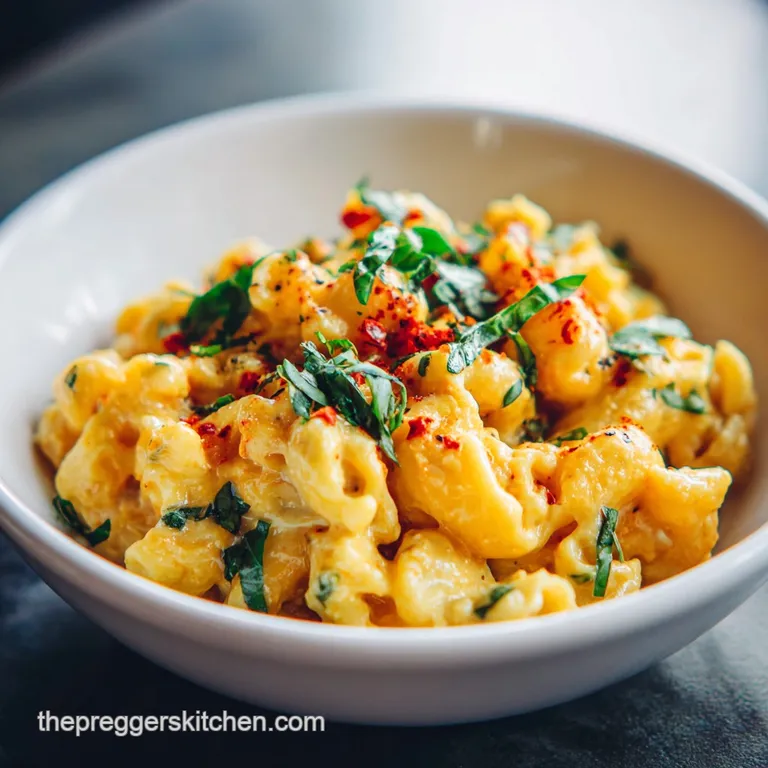
- Mastering the Science of Pregnancy Safe Veggie Mac and Cheese
- Vital Cooking Metrics for Success
- Analyzing the Wholesome Component Chemistry
- Essential Tools for Optimal Texture
- Executing the Precise One Pot Method
- Mitigating Culinary Errors and Failures
- Modifying Ratios for Diverse Needs
- Preserving Nutrient Density During Storage
- Strategic Nutritional Pairing Suggestions
- Recipe FAQs
- 📝 Recipe Card
Mastering the Science of Pregnancy Safe Veggie Mac and Cheese
The sharp aroma of aged cheddar hitting warm steam is one of those sensory triggers that can stop a busy afternoon in its tracks. I remember the first time I attempted this dish during my second trimester; the kitchen was filled with the nutty scent of pasta water and the earthy fragrance of fresh broccoli.
I was exhausted, craving something velvety, but my scientific brain kept worrying about food safety and nutrient density. This pregnancy safe mac and cheese with veggies and broccoli delivers a comforting and nutritious meal perfect for expecting mothers.
We often think of comfort food as a nutritional compromise, but from a biochemical perspective, this recipe is a strategic win. It uses a one pot method that captures every drop of folate and iron that might otherwise be lost in discarded pasta water.
You aren't just making dinner; you're creating a bioavailable emulsion of healthy fats and complex carbohydrates. We’ve all had those moments where a boxed mix feels tempting, but the metallic aftertaste of preservatives is a reminder that our bodies and our babies deserve better.
This version is built on the principle of error prevention. By controlling the temperature and the starch to liquid ratio, we avoid the gritty, broken sauces that plague many home cooks.
We will focus on the specific molecular behavior of pasteurized cheese and the hydration of small pasta shapes to ensure your dinner is consistent every single time. It's about combining the logic of a laboratory with the warmth of a family kitchen.
The Physics of the One Pot Emulsion
Starch Suspension: As the shells simmer in the limited liquid, they release amylose molecules that act as a natural bridge between the water and the cheese fats. This prevents the oil from separating, resulting in a silky coating without needing a heavy flour based roux.
Mastering the Starch Emulsion Sauce
The magic here lies in the "just enough" liquid technique. Unlike traditional boiling where you drain the water, we keep the liquid concentrated. This ensures that the water soluble vitamins from the shredded carrots and broccoli remain in the pot, ready to be absorbed by the pasta and eventually, by you.
Vital Cooking Metrics for Success
Precision is the enemy of failure in the kitchen. When you're managing prenatal fatigue, you need a recipe that works based on measurable data rather than guesswork. I’ve found that using exactly 1.5 cups of water for 8 oz of pasta provides the specific hydration needed to leave just a tablespoon of starch heavy liquid behind.
This liquid is the "glue" for your sauce. If you have too much, the cheese slips off; too little, and it becomes a clumpy mess.
| Method | Time | Texture | Best For |
|---|---|---|---|
| Stovetop | 15 minutes | Silky, velvety, and uniform | Quick, iron rich weeknight meals |
| Oven Baked | 35 minutes | Crusty edges with a drier crumb | Meal prep and reheating later |
| Instant Pot | 8 minutes | Ultra soft and highly emulsified | Maximum efficiency with zero stirring |
The choice between methods often comes down to your sensory preference that day. If you are struggling with aversions to soft textures, the oven baked method provides a "shatter" on the top layer that can be more palatable. However, for a nutrient dense breakfast smoothie to balance your day, you might prefer the quick stovetop version to save time. You can even pair this with a Healthy Pregnancy Smoothie recipe if you need a high calorie boost during the third trimester.
Analyzing the Wholesome Component Chemistry
Every ingredient in this recipe serves a dual purpose: structural integrity and prenatal support. We aren't just adding carrots for color; we are adding them for the beta carotene and the way their natural sugars balance the sharpness of the cheddar. This is functional medicine disguised as a childhood favorite.
| Ingredient | Science Role | Pro Secret |
|---|---|---|
| Small Shells | Starch Reservoir | The "cup" shape traps the sauce via capillary action. |
| Whole Milk | Protein Stabilizer | Casein proteins prevent the cheese from curdling at high heat. |
| Sharp Cheddar | Flavor & Fat | Aged cheddar has lower lactose but higher flavor impact per gram. |
| Broccoli | Fiber & Folate | Adding it in the last 5 mins preserves the heat sensitive Vitamin C. |
The cheese must be pasteurized to ensure safety against Listeria, which is a non negotiable standard for expecting mothers. By using freshly grated sharp cheddar, we avoid the anti caking agents found in pre shredded bags.
Those agents, usually cellulose or potato starch, can create a grainy mouthfeel that is particularly unappealing if you are experiencing heightened sensory sensitivity.
Ensuring Food Safety with Pasteurized Sharpness
Always verify that your dairy labels clearly state "pasteurized." Sharp cheddar is naturally a lower moisture cheese, which makes it less hospitable to bacteria, but the pasteurization process is our primary safety barrier.
Essential Tools for Optimal Texture
To prevent the common pitfall of scorched milk or unevenly cooked pasta, your choice of vessel is paramount. A heavy bottomed pot, such as a cast iron Dutch oven or a thick stainless steel saucepan, distributes heat evenly.
Thin aluminum pans often develop "hot spots" that can cause the cheese to seize and stick to the bottom.
- 8 inch Heavy Bottom Pot: Essential for even heat distribution and maintaining a steady simmer.
- Box Grater: For the cheddar and carrot. The different hole sizes allow you to shred the carrot into a fine "confetti" that disappears into the sauce.
- Silicone Spatula: Better than a spoon for scraping the bottom of the pot to ensure no starch buildup burns.
- Measuring Cups: Specificity with the 1.5 cups of water is the difference between a velvety sauce and a soup.
Chef Tip: Freeze your block of cheddar for 10 minutes before grating. It firms up the fats, preventing the cheese from clumping or melting from the heat of your hands while you grate it.
Executing the Precise One Pot Method
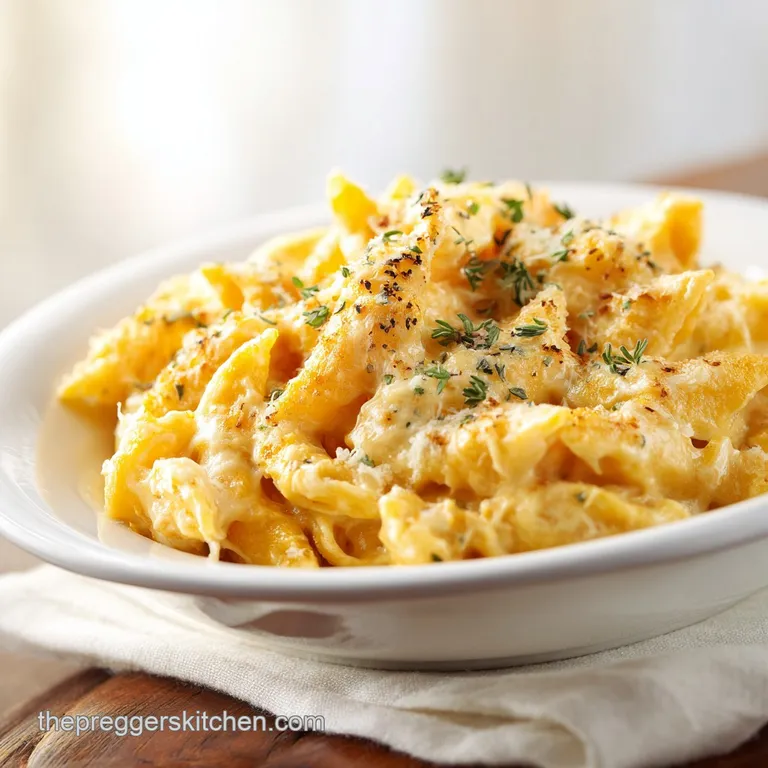
- Combine liquids. Place 1.5 cups water and 1 cup pasteurized whole milk in your pot. Note: Starting with cold liquid prevents the pasta from sticking immediately.
- Add aromatics. Stir in 0.5 tsp garlic powder, 0.5 tsp ground mustard, 0.25 tsp sea salt, and 0.25 tsp smoked paprika.
- Incorporate pasta. Add 8 oz small shells or elbow macaroni to the liquid.
- Initial simmer. Bring the mixture to a boil over medium high heat until the first bubbles break the surface.
- Reduce heat. Lower to a medium low simmer. Note: A violent boil will break the pasta and denature the milk proteins.
- Add veggies. After 5 minutes of simmering, stir in 2 cups fresh broccoli florets and 1 shredded carrot.
- Cook through. Continue simmering for another 5-7 minutes until the pasta is tender and liquid is reduced.
- Off heat emulsion. Remove the pot from the heat completely before adding 2 cups freshly grated sharp cheddar.
- Final fold. Stir gently until the cheese is fully melted and velvety.
- Rest briefly. Let it sit for 2 minutes until the sauce thickens and clings to the shells.
This method is similar to the moisture management seen in a well executed Chicken and Veggies recipe, where the vegetables and protein reach doneness simultaneously to prevent nutrient loss.
Initializing One Pot Simmer
When you first add the pasta, it will look like there isn't enough liquid. Do not be tempted to add more. As the vegetables release their own moisture, the ratio will balance out.
Folding in Golden Velvet
The "off heat" step is the most critical instruction here. Residual heat is plenty to melt the cheese. Direct flame heat often causes the cheese proteins to tighten into rubbery strands, ruining the texture.
Mitigating Culinary Errors and Failures
The most common failure in homemade mac and cheese is the "break" when the sauce turns into a puddle of oil with clumps of solids. This is usually caused by thermal shock. If you add cold cheese to boiling liquid, the proteins contract too quickly.
By letting the pot sit off the eye of the stove for sixty seconds, you bring the temperature down to the "sweet spot" for a stable emulsion.
Why Your Mac is Soupy
If the sauce isn't clinging to the pasta, the starch hasn't fully hydrated or you had too much residual liquid.
| Problem | Root Cause | Solution |
|---|---|---|
| Grainy Sauce | Overheated cheese or pre shredded cheese | Grate your own and add off heat. |
| Mushy Broccoli | Added too early in the cycle | Add during the last 5 mins of simmer. |
| Sticking Pasta | Not enough initial stirring | Stir frequently for the first 3 mins. |
A quick fix for a sauce that feels too thin is to let it stand. The starches will continue to swell and absorb moisture even after the heat is off. If it is still too thin, a tablespoon of Greek yogurt can provide instant body and a punch of protein.
Common Mistakes Checklist:
- ✓ Never use "low-fat" cheese; the lack of fat prevents a smooth melt.
- ✓ Avoid boiling the sauce once the cheese is added.
- ✓ Shred the carrot finely so it cooks at the same rate as the broccoli.
- ✓ Use a pot that is large enough to allow the pasta to move freely.
- ✓ Do not rinse the pasta; you need those surface starches for the sauce.
Balancing the Liquid Ratio
If you find the pasta is done but there is still too much liquid, turn the heat up for 60 seconds while stirring constantly. This evaporates the excess water while the friction helps the starch bond with the milk.
Modifying Ratios for Diverse Needs
Scaling this recipe requires attention to the liquid to solid ratio. If you are cooking for a larger group, do not simply double everything. The surface area of a larger pot changes the evaporation rate.
Scaling Guidelines:Down (1-2 servings): Use a smaller 1 quart pot. Reduce the cook time by 2 minutes as the smaller mass heats through faster. Up (8 servings): Increase the pasta and veggies to 2x.
However, only increase the spices to 1.5x to avoid an overpowering salt profile. Reduce the total liquid by 10% to account for the reduced evaporation in a crowded pot.
If you are looking for a lighter lunch option, you might consider how the textures here differ from a cold preparation like a Chicken Salad for recipe. Both offer high protein but cater to different temperature cravings.
Boosting the Protein Profile
For those needing extra iron or protein, stirring in a half cup of cooked white beans (cannellini) during the final fold adds creaminess and fiber without altering the traditional flavor.
Preserving Nutrient Density During Storage
Mac and cheese is notorious for drying out in the fridge. The pasta continues to drink up the sauce, leaving you with a solid block the next day. To prevent this, store the leftovers with an extra splash of milk.
- Fridge: Store in an airtight glass container for up to 3 days. Glass is preferable to plastic as it doesn't retain odors and can be heated more evenly.
- Freezer: This recipe freezes surprisingly well for up to 2 months. To reheat, thaw in the fridge overnight.
- Reheating: Use the stovetop. Add 2 tablespoons of milk per serving and heat over low, stirring gently to "re emulsify" the sauce.
- Zero Waste: If you have broccoli stems, don't toss them! Peel the woody outer layer, grate the tender core, and add it along with the shredded carrots for extra folate.
Navigating Gluten Sensitivities
If you substitute gluten-free pasta, be aware that it releases less starch. You may need to add a teaspoon of cornstarch mixed with a little cold milk to the simmering liquid to achieve the same velvety thickness.
Strategic Nutritional Pairing Suggestions
While this dish is a complete meal on its own, pairing it with specific sides can enhance the absorption of its nutrients. Since broccoli and carrots provide Vitamin C, they already help you absorb the calcium from the milk and cheese.
If you want a crunchier experience, serve this with a side of sliced cucumbers tossed in lemon juice and sea salt. The acidity cuts through the richness of the sharp cheddar. If you want more volume, a simple arugula salad provides a peppery contrast that balances the creamy shells.
If you are meal prepping, this mac and cheese functions as a great "base." You can layer it in a bowl with roasted chickpeas or even a few strips of well done pasteurized ham.
This recipe isn't just about satisfying a craving; it's a reliable tool in your pregnancy wellness kit. By understanding the starch and temperature mechanics, you ensure that every bite is as safe as it is comforting. Trust the science, watch your simmer, and enjoy the velvety reward.
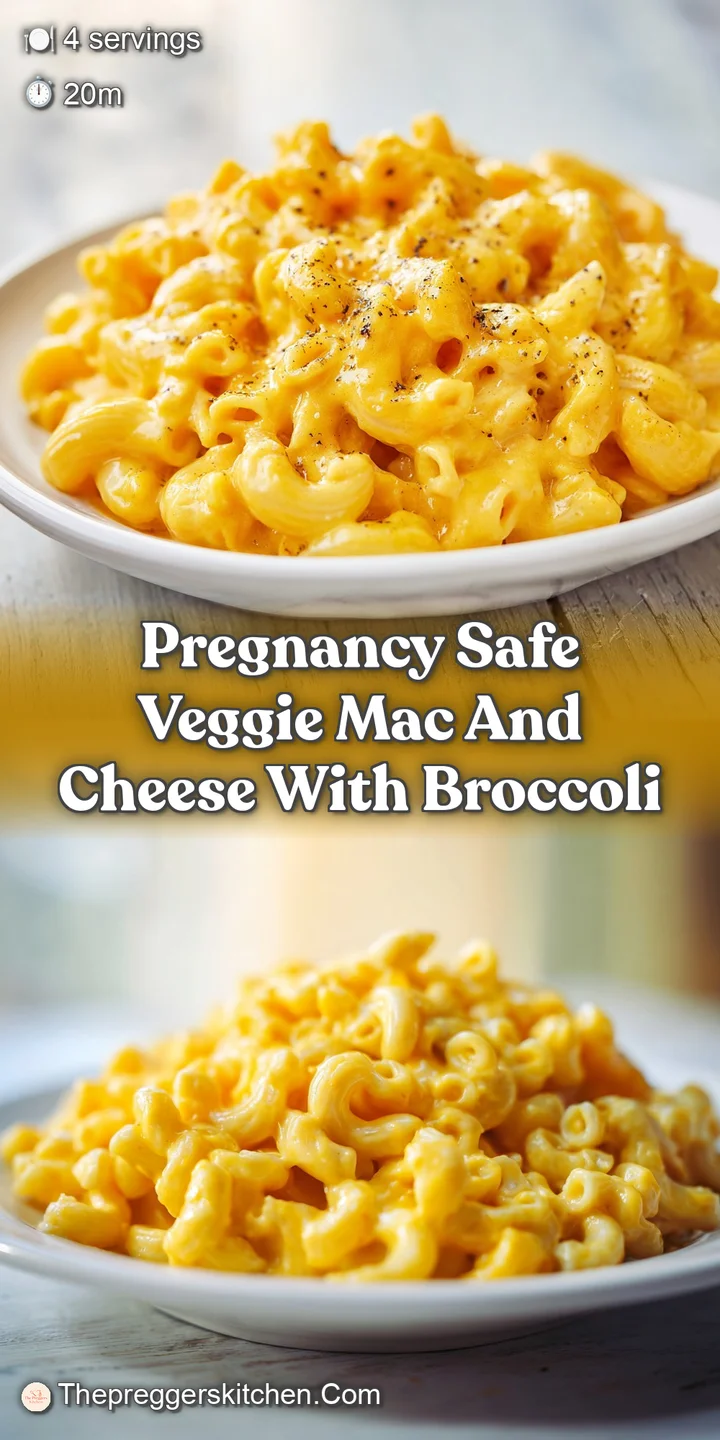
Recipe FAQs
Can I put broccoli in my mac and cheese?
Yes, absolutely, and it's highly recommended. Add the broccoli florets during the last 5 minutes of the simmer time to preserve their texture and Vitamin C content.
What vegetables can you have with mac and cheese?
Carrots, broccoli, and finely shredded cauliflower are excellent additions. These vegetables blend well into the sauce, adding density and nutrients without compromising the cheesy texture.
How to cook broccoli for pregnant women in mac and cheese?
Simmer the broccoli florets for the final 5 to 7 minutes of the pasta cooking time. This ensures they are tender crisp and retains maximum heat sensitive nutrients like Folate.
Is Velveeta mac and cheese safe for pregnancy?
No, avoid Velveeta and use pasteurized, freshly grated cheddar cheese instead. Processed cheese products often contain emulsifiers and preservatives that are better skipped during pregnancy.
Must I use freshly grated cheese instead of pre-shredded?
Yes, always grate your own cheese for the smoothest sauce. Pre-shredded cheese contains anti caking agents like cellulose, which interfere with the emulsification process and cause graininess.
What is the best liquid ratio for a creamy, non-soupy sauce?
Use exactly 1.5 cups of water for every 8 ounces of pasta when cooking on the stovetop. This precise measurement ensures the liquid reduces to the perfect starch-to-water consistency needed for a stable emulsion.
Why does my homemade mac and cheese sauce often break and become oily?
The sauce breaks due to thermal shock from adding cheese to liquid that is too hot. Remove the pot completely from the heat source for one minute before folding in the grated cheddar to maintain a stable emulsion.
Pregnancy Safe Mac And Cheese
Ingredients:
Instructions:
Nutrition Facts:
| Calories | 481 kcal |
|---|---|
| Protein | 25.6 g |
| Fat | 21.6 g |
| Carbs | 50.2 g |
| Fiber | 6.7 g |
| Sugar | 5.4 g |
| Sodium | 525 mg |
