Pregnancy Safe Pepperoni Pizza Homemade
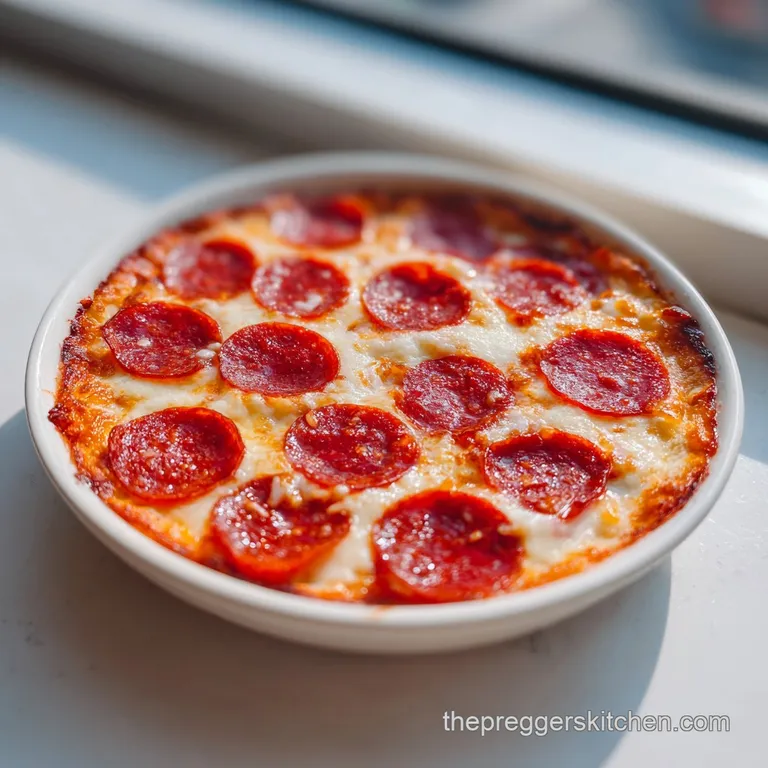
- Time: Active 20 minutes, Passive 12 minutes, Total 32 minutes
- Flavor/Texture Hook: Shatter crisp crust with sizzling, curling pepperoni
- Perfect for: Stress free Friday nights and prenatal nutrient dense comfort
- Why This Specialized Method Works
- Core Specifications for Your Pizza
- Essential Ingredients for Nutrient Density
- Necessary Tools for Professional Results
- Systematic Assembly and Verification Steps
- Rectifying Common Issues for Texture Control
- Modifying the Recipe for Dietary Needs
- Proper Preservation and Resource Management
- Optimal Serving for Wellness Outcomes
- Common Misconceptions About Pizza Safety
- Recipe FAQs
- 📝 Recipe Card
The aroma of yeasty dough hitting a hot pan is a universal comfort, but when I was expecting my first, that scent was often clouded by a list of food safety rules. I remember standing in my kitchen, staring at a package of pepperoni and wondering if the risk of Listeria was worth the craving.
It felt like every meal was a clinical decision rather than a sensory experience. That is why I started experimenting with temperature controlled baking to turn a "restricted" food into a safe, wholesome staple.
When you make this pregnancy safe pepperoni pizza homemade, you are not just cooking; you are applying basic microbiology to your dinner. The secret lies in the 165°F (74°C) threshold.
Cured meats like pepperoni are typically safe once they are heated until steaming, which happens naturally in a 400°F (200°C) oven. We are looking for that specific sizzle and the way the edges of the meat curl into little cups - that is your visual cue that the heat has done its job.
This recipe focuses on high-quality, pasteurized dairy and temperature verified meats to ensure you can enjoy every bite without a second thought. We have traded the mystery of delivery for the precision of home cooking.
You get the shatter of a well baked crust and the velvety stretch of mozzarella, all while supporting your body with the calcium and protein it needs right now.
Why This Specialized Method Works
- Thermal Pasteurization: Applying a constant 400°F (200°C) environment ensures the pepperoni exceeds the 165°F (74°C) internal temperature required to neutralize pathogens like Listeria.
- Gluten Carbonization: High heat causes rapid evaporation in the dough, creating micro pockets of air that result in a crust that will shatter rather than chew.
- Lipid Migration: As the pepperoni curls, the fats render out and fry the surrounding cheese, intensifying the savory notes through the Maillard reaction without adding extra oils.
- Moisture Control: Using low moisture mozzarella prevents the dreaded "soggy middle" by reducing the amount of water released during the protein denaturation of the cheese.
The Science of Thermal Pasteurization
The primary concern with pepperoni during pregnancy is the potential for bacterial contamination after the curing process. While pepperoni is fermented and dried, it is considered a "cold" meat. By baking it at high temperatures until it is visibly sizzling and steaming, we are effectively pasteurizing the meat in place. This eliminates the risk because the thermal energy disrupts the cellular membranes of any present bacteria. This is why a Pregnancy Safe Ranch recipe makes such a great pairing; you get the cooling contrast to the safely heated, spicy meat.
| Thickness | Internal Temp | Rest Time | Visual Cue |
|---|---|---|---|
| 1/4 inch dough | 165°F (Meat) | 3 minutes | Meat edges curl into cups |
| 1/2 inch dough | 165°F (Meat) | 5 minutes | Cheese is bubbling and browned |
| Thin Crust | 165°F (Meat) | 2 minutes | Bottom is dark golden brown |
Selecting the right thickness for your crust impacts how quickly the heat reaches the toppings. A standard 1/4 inch stretch allows for maximum heat penetration, ensuring the pepperoni is not just warm, but functionally sterilized by the oven's energy.
Core Specifications for Your Pizza
To achieve the best structural integrity and safety profile, we focus on specific ratios. The balance between the acidity of the sauce and the fat content of the cheese dictates the final mouthfeel.
The Science of the Sizzle
The "sizzle" occurs when the moisture in the pepperoni reaches its boiling point and escapes through the fat. This rapid evaporation creates a barrier that prevents the meat from becoming rubbery.
Instead, the meat undergoes a structural change where the proteins tighten and the edges crisp up, providing a texture that contrasts beautifully with the velvety cheese.
| Ingredient | Science Role | Pro Secret |
|---|---|---|
| Pizza Dough | Carbohydrate structure | Use cold dough for better bubbles |
| Pepperoni | Protein/Fat source | Slice thin to ensure 165°F reach |
| Mozzarella | Emulsified fat | Choose low moisture for crispness |
| Pizza Sauce | Acid balance | Apply a thin layer to prevent steam |
Each component plays a role in the thermal conductivity of the dish. For instance, the olive oil in the dough helps conduct heat from the pan directly into the crust, while the garlic powder adds micronutrients and flavor depth without adding bulk.
Essential Ingredients for Nutrient Density
- 1 lb store-bought pizza dough: Provides the folate enriched flour base necessary for neural development.
- 1 tbsp extra virgin olive oil: Healthy fats that aid in the absorption of fat soluble vitamins.
- 1 tsp garlic powder: Adds sulfur compounds and antimicrobial properties.
- 1/3 cup pizza sauce: A concentrated source of lycopene, which is more bioavailable when cooked.
- 0.5 cup low moisture part skim mozzarella cheese, shredded: High in calcium and protein while being safely pasteurized.
- 3 oz pepperoni, thinly sliced: Provides iron and B12, once heated to the safety threshold.
- 0.25 cup pasteurized Parmesan cheese, freshly grated: Adds a sharp salty note and extra calcium boost.
| Original Ingredient | Substitute | Why It Works |
|---|---|---|
| Pepperoni | Turkey Pepperoni | Lower fat content but still reaches safety temps |
| store-bought Dough | Whole Wheat Dough | Adds fiber. Note: Results in a denser, nuttier crust |
| Mozzarella | Pasteurized Provolone | Similar melting point with a sharper finish |
If you find yourself missing the variety of a Pregnancy Friendly Charcuterie recipe, this pizza is a wonderful way to satisfy that craving for cured meats in a way that is scientifically verified as safe for you and your baby.
Necessary Tools for Professional Results
Having the right equipment ensures that the heat is distributed evenly, which is the cornerstone of our safety strategy. A heavy baking sheet or a preheated pizza stone acts as a heat reservoir, providing that initial "oven spring" to the dough.
Equipment Comparison
| Premium | Budget | Flavor Impact | Savings |
|---|---|---|---|
| Pizza Stone | Baking Sheet | More "brick oven" char | Save $35-50 |
| Freshly Grated Parm | Canned Parmesan | Much creamier melt | Save $4-6 |
| Cast Iron Skillet | Cake Pan | Ultra crisp bottom | Save $15-20 |
Science Note: Using a cast iron skillet (like Lodge) is my favorite trick. It holds onto heat much better than a standard cookie sheet, ensuring the bottom of the pizza gets that specific shatter crisp texture before the cheese burns.
Systematic Assembly and Verification Steps
- Preheat the environment. Set your oven to 400°F (200°C). Note: This ensures the thermal energy is high enough to pasteurize the meat immediately.
- Prepare the foundation. Stretch the 1 lb store-bought pizza dough onto a lightly oiled baking sheet. Stretch until it reaches a uniform 1/4 inch thickness.
- Infuse the crust. Brush the edges with 1 tbsp extra virgin olive oil and sprinkle with 1 tsp garlic powder.
- Layer the aromatics. Spread 1/3 cup pizza sauce in a thin, even layer, leaving a 1 inch border.
- Add the calcium. Distribute 0.5 cup low moisture mozzarella over the sauce. Note: Using low moisture cheese prevents the sauce from becoming watery.
- Place the protein. Lay the 3 oz pepperoni across the cheese. Ensure slices do not overlap excessively to allow heat to circulate around each piece.
- Final seasoning boost. Sprinkle 0.25 cup pasteurized Parmesan cheese over the top.
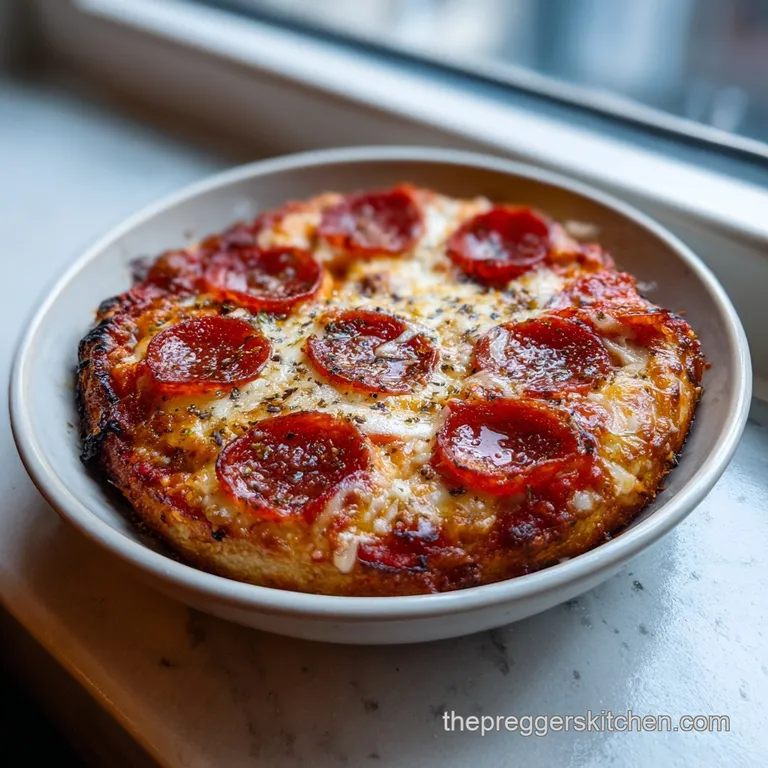
- Execute the bake. Place in the center of the oven for 12 minutes. Cook until the cheese is bubbling and the pepperoni is curling.
- Verify the safety. Check that the pepperoni is sizzling and steaming. Note: This is the visual confirmation of reaching 165°F.
- Rest and set. Allow the pizza to sit for 3 minutes before slicing. This allows the cheese to set and the crust to finish its structural crisping.
Rectifying Common Issues for Texture Control
Pepperoni Curling and Burning
If your meat is charring before the dough is cooked, it is likely because the rack is too high. Move the pan to the lower third of the oven. This allows the heat to focus on the dough while the cheese protects the pepperoni from direct broiler like heat.
Missing a Pizza Stone
You don't need fancy gear for a great result. Flip a standard baking sheet upside down and preheat it. Sliding your pizza onto the hot, flat surface mimics the effect of a stone by providing immediate conductive heat to the bottom of the dough.
Soggy Center Crust Solutions
A soggy middle usually means too much sauce or the dough was too cold. Always let your dough sit at room temperature for 30 minutes before stretching. This relaxes the gluten and ensures it bakes through evenly.
| Problem | Root Cause | Solution |
|---|---|---|
| Bubbling dough | Air trapped in gluten | Prick large bubbles with a fork mid bake |
| Greasy surface | High fat pepperoni | Pat pepperoni with a paper towel before topping |
| Tough crust | Overworked dough | Let dough rest longer before the final stretch |
- ✓ Pat the pepperoni dry with a paper towel to remove excess surface oils.
- ✓ Ensure the oven is fully preheated for at least 15 minutes.
- ✓ Grate your own cheese to avoid the anti caking starches found in pre shredded bags.
- ✓ Use a dark baking sheet if you prefer a darker, crunchier bottom crust.
- ✓ Don't overcrowd the toppings - less is more for a safe, even bake.
Modifying the Recipe for Dietary Needs
Using Turkey Pepperoni Alternatives
If you are looking to reduce saturated fat, turkey pepperoni is a viable option. It usually has less oil, so you may want to add a tiny drizzle of olive oil over the top to help it reach that "sizzling" state that indicates safety.
Nitrate Free Version Options
Many health conscious cooks prefer nitrate free pepperoni. These are perfectly safe as long as you follow the same over high heat baking rules. They often have a slightly different color (less pink), but the flavor remains bold and savory.
- For a thicker crust: Increase the bake time by 4 minutes and lower the temperature to 375°F (190°C) to ensure the middle cooks through without burning the top.
- For a gluten-free version: Use a cauliflower crust, but pre bake it for 10 minutes before adding toppings to ensure it can support the weight of the cheese.
- For a dairy-free version: Use a cashew based mozzarella substitute. Be aware these often melt at lower temperatures, so add them halfway through the bake.
Proper Preservation and Resource Management
Storage: Keep leftovers in an airtight container in the fridge for up to 3 days. To maintain the crispness, avoid using the microwave. Instead, reheat slices in a dry skillet over medium heat for 3 minutes until the cheese is re melted and the bottom is crispy again.
Freezing: You can freeze individual slices for up to 2 months. Wrap them tightly in parchment paper and then foil. Reheat directly from frozen in a 350°F (180°C) oven for 10 minutes.
Zero Waste: Don't throw away those dough scraps! Roll them into small balls, toss with more garlic powder and olive oil, and bake them alongside the pizza for "dough bites." If you have leftover pepperoni, chop it up and sauté it into a breakfast hash the next morning just make sure it reaches that 165°F sizzle again!
Optimal Serving for Wellness Outcomes
The Balanced Plate Pairing
To make this a complete meal, I always serve it with a massive green salad. The fiber from the greens helps slow down the absorption of the carbohydrates in the crust, preventing a blood sugar spike. A simple dressing of lemon and olive oil adds vitamin C, which helps you absorb the iron found in the pepperoni.
The Dip Strategy
If you find the crust a bit dry, dipping it into a side of warm pizza sauce adds more lycopene to your meal. Avoid raw vegetable dips if they haven't been washed thoroughly, sticking instead to heated or pasteurized options to maintain your safety first approach.
The beauty of this pregnancy safe pepperoni pizza homemade is that it removes the "forbidden" label from a food you love. By understanding the science of heat and the importance of ingredient selection, you can eat confidently.
You are providing your body with energy, protein, and calcium, all while enjoying the specific, satisfying crunch that only a homemade pizza can provide. Trust your oven, watch for that curl in the meat, and enjoy the peace of mind that comes with a scientifically sound dinner.
Common Misconceptions About Pizza Safety
The idea that "all pepperoni is dangerous" is a common misunderstanding. The concern isn't the meat itself, but the potential for contamination in unheated, chilled meats. Once the meat reaches 165°F (74°C), those risks are neutralized.
You don't have to give up your favorite toppings; you just have to change how you prepare them.
Another myth is that "cheese on pizza is unsafe." Most commercial mozzarella and parmesan are made from pasteurized milk, which is completely safe for pregnancy. Always check the label for the word "pasteurized," but in standard grocery stores, it is almost a guarantee for these types of cheeses.
The high heat of the oven provides a second layer of safety, making pizza one of the most pregnancy friendly "cheat meals" available.
Recipe FAQs
Can I have pepperoni pizza when pregnant?
Yes, if cooked thoroughly. The key is heating the pepperoni to a verified 165°F (74°C) to neutralize any potential pathogens common in cured meats.
Is homemade pizza safe during pregnancy?
Yes, homemade is often safer than takeout. You control the sourcing, the dairy pasteurization, and most importantly, the oven temperature, ensuring the toppings reach the necessary safety thresholds.
Is pepperoni fully cooked before I put it on the pizza?
No, pepperoni is cured, not fully cooked in the ready-to-eat sense for pregnancy safety. While curing prevents spoilage, you must bake it at 400°F until it sizzles to ensure it is safe for consumption.
Can I eat homemade pepperoni while pregnant if I am just warming it up?
No, simply reheating is insufficient for confirmed safety. You must bake it until it reaches the steaming, sizzling stage, which confirms the internal temperature has pasteurized the meat. This thermal verification is crucial.
How do I ensure the pepperoni reaches the safe internal temperature?
Bake at 400°F (200°C) until the edges of the pepperoni curl into small cups. This visual cue signifies that the heat has penetrated sufficiently, similar to how precise temperature control works when making our Pregnancy Safe Egg recipe.
What if my craving is for a cold deli style meat on my pizza?
No, do not add cold, pre-sliced deli meats after baking. If you need cold meat toppings, ensure they come from a sealed package and only add them to the pizza after it has cooled sufficiently to eat it immediately, much like preparing our Pregnancy Safe Lunch recipe.
How do I handle potentially soggy dough when baking a thick pepperoni pizza?
Preheat your baking surface, like a stone or inverted sheet pan, inside the oven. Sliding the prepared pizza onto this scorching surface provides immediate, intense conductive heat, which sets the bottom crust before the sauce moisture has time to soak in.
Pregnancy Safe Pizza Recipe
Ingredients:
Instructions:
Nutrition Facts:
| Calories | 236 kcal |
|---|---|
| Protein | 9.1 g |
| Fat | 8.9 g |
| Carbs | 29.8 g |
| Fiber | 1.2 g |
| Sugar | 1.5 g |
| Sodium | 588 mg |
