Safe Sushi Bowl for Pregnancy
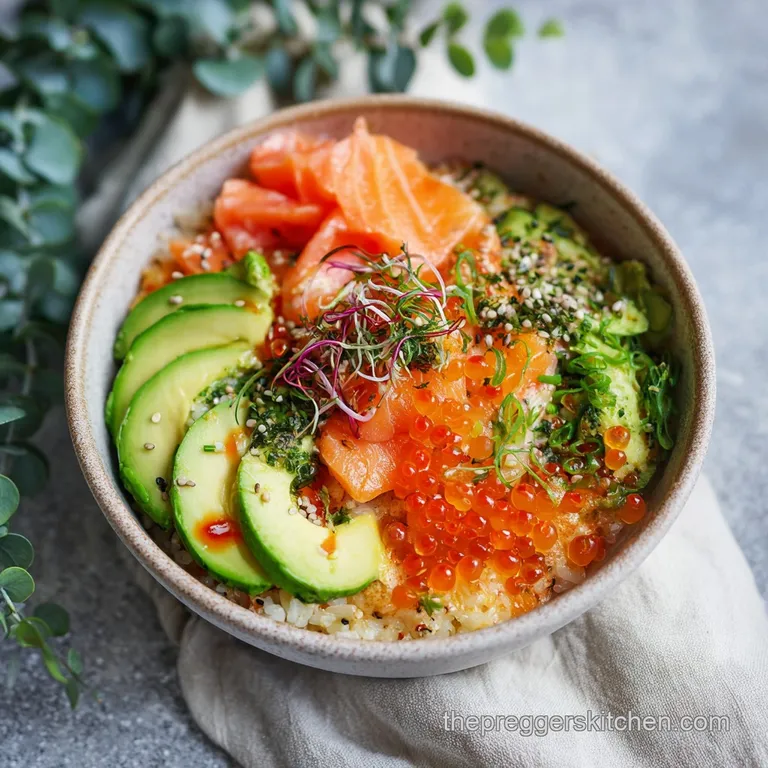
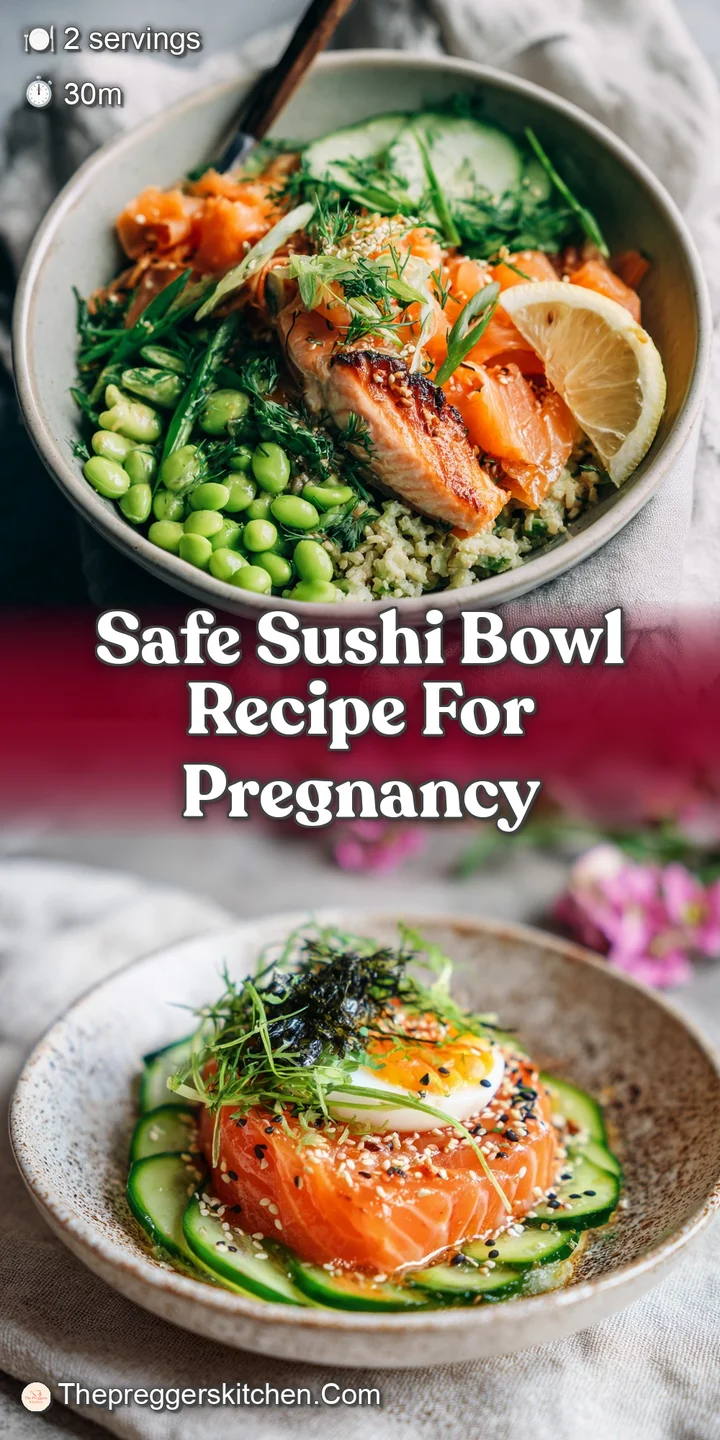
- Time: Active 15 minutes, Passive 15 minutes, Total 30 minutes
- Flavor/Texture Hook: Silky roasted salmon paired with vinegared, chewy rice and crisp cucumber.
- Perfect for: A nutrient rich weeknight dinner or a professional meal prep solution.
- Designing a Nutritious Sushi Bowl for Pregnancy
- Why This Nutrient Dense Method Works
- Essential Components for Your Sushi Bowl
- Tools for Kitchen Precision
- Step by Step Assembly Guide
- Avoiding Common Kitchen Pitfalls
- Flavor Profiles and Ingredient Swaps
- Safe Storage and Leftover Tips
- Optimal Serving and Presentation
- Critical in Sodium
- Recipe FAQs
- 📝 Recipe Card
Designing a Nutritious Sushi Bowl for Pregnancy
The aroma of toasted sesame oil hitting a hot pan is a sensory trigger that instantly signals comfort in my kitchen. I remember the exact moment I developed this specific recipe; it was during a phase where the longing for a traditional tuna roll was overwhelming, but the biological necessity for food safety was paramount.
The challenge was to replicate that specific "sushi" satisfaction using only fully cooked, nutrient dense ingredients that support maternal health.
We are focusing on a safe sushi bowl for pregnancy that doesn't compromise on the velvety mouthfeel or the bright, acidic profile of high end Japanese cuisine. By substituting raw fish with precision cooked salmon, we maximize the bioavailability of DHA and EPA essential fatty acids for fetal neurodevelopment while eliminating the risk of foodborne pathogens.
This dish isn't just a workaround; it is a scientifically balanced meal designed for optimal wellness.
In this guide, we will explore the molecular behavior of short grain starch and how to achieve a "shatter" crispness in your vegetables. You can expect a professional approach to flavor construction, ensuring every component from the folate packed avocado to the iron rich seaweed serves a physiological purpose.
Trust me, once you master the rice to vinegar ratio, you'll find this bowl more satisfying than any takeout alternative.
Why This Nutrient Dense Method Works
- Starch Gelatinization: Proper rinsing removes excess surface amylose, preventing the rice from becoming a cohesive, gummy mass and ensuring individual grain integrity.
- Lipid Protection: Using avocado oil, which has a high smoke point (approximately 520°F/271°C), prevents the oxidation of fats during the over high heat salmon sear.
- Acetic Acid Infusion: Adding vinegar to warm rice triggers a rapid absorption process, lowering the glycemic index of the meal and providing a bright flavor contrast.
- Myofibrillar Denaturation: Cooking salmon to exactly 145°F (63°C) ensures the protein is safe for consumption while maintaining a silky, moist internal texture.
Precision Thermal Checkpoints for Salmon
| Fillet Thickness | Internal Temperature | Resting Period | Visual Doneness Cue |
|---|---|---|---|
| 0.5 inch | 145°F (63°C) | 2 minutes | Flesh flakes easily with a fork |
| 1 inch | 145°F (63°C) | 3 minutes | Opaque center with no translucent pink |
| 1.5 inches | 145°F (63°C) | 5 minutes | Firm to the touch but still moist |
Essential Components for Your Sushi Bowl
The success of a sushi bowl for pregnancy depends heavily on the quality of your base and the safety of your protein. We utilize 1 cup (200g) of Short grain Japanese rice because its high amylopectin content provides the necessary "cling" without being mushy.
This is the foundation of our sushi bowl for pregnancy recipe, providing complex carbohydrates for sustained energy.
For the protein, we use 2 salmon fillets (170g each). This is a critical source of vitamin D and iodine. When making a baked salmon sushi bowl recipe, the goal is to reach the safety threshold without sacrificing the delicate fats that make the fish so palatable.
We pair this with 1 Persian cucumber for hydration and 1 Ripe avocado for monounsaturated fats.
Functional Ingredient Analysis
| Ingredient | Science Role | Pro Secret |
|---|---|---|
| Rice Vinegar | Denatures starch surfaces | Apply while rice is steaming to ensure deep penetration of acidity. |
| Salmon | Omega-3 Fatty Acid Source | Pat the skin completely dry to allow for a Maillard reaction without steaming. |
| Avocado | Healthy Lipid Profile | Slice just before serving to prevent enzymatic browning caused by oxygen. |
| Furikake | Umami & Mineral Density | Check labels for "no MSG" to maintain a clean, nutrient dense profile. |
Tools for Kitchen Precision
To execute this pregnancy safe poke bowl recipe with professional results, a few specific tools are necessary. A heavy bottomed pot or a dedicated rice cooker is essential for consistent hydration of the grains. You will also need a digital instant read thermometer.
This is non negotiable for food safety when preparing fish for expectant mothers; guessing the internal temperature is a risk we don't take.
I also recommend a sharp mandoline or a high-quality chef’s knife for the cucumber and carrots. Achieving a consistent, thin slice increases the surface area, which allows the rice vinegar and lime juice to coat the vegetables more effectively.
Finally,, a small whisk is helpful for emulsifying the Kewpie mayo and sriracha into a stable, creamy drizzle.
step-by-step Assembly Guide
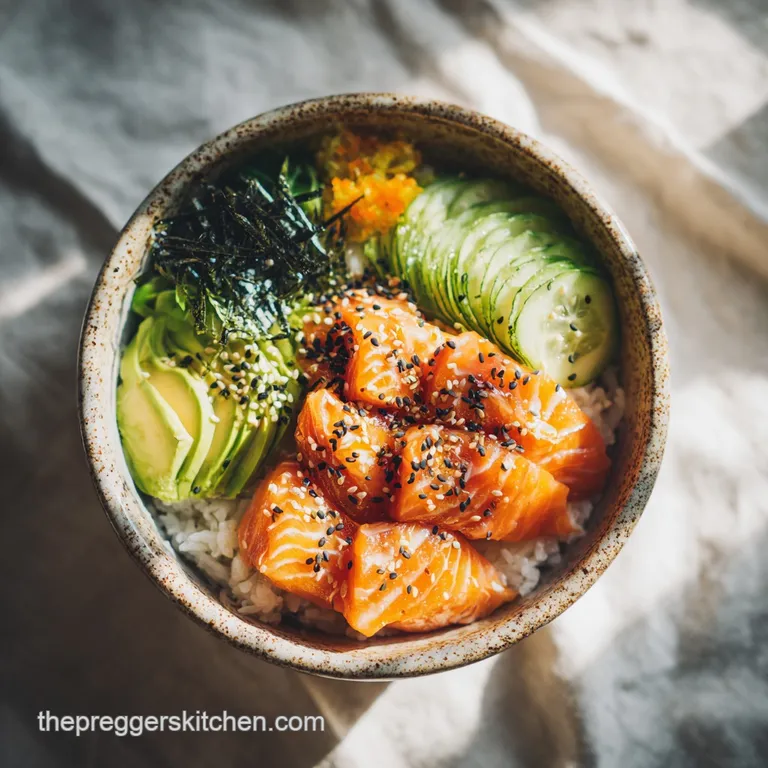
1. Master the Base
Rinse 1 cup (200g) short grain rice in a fine mesh sieve until the water runs clear. Note: This removes excess starch that causes gumminess. Combine with 1.25 cups (300ml) filtered water in a pot. Bring to a boil, then reduce to a low simmer, covered, for 15 minutes.
Cook until all water is absorbed and grains are tender.
2. The Acidification Process
In a small bowl, whisk 2 tbsp rice vinegar, 1 tbsp granulated sugar, and 1 tsp sea salt until dissolved. While the rice is still hot, gently fold in the mixture using a slicing motion with a wooden spatula. Note: Using a metal spoon can bruise the grains. Let the rice cool slightly to room temperature.
3. Prepare the Protein
Pat 2 salmon fillets (170g each) dry with paper towels. Season with 0.5 tsp garlic powder and a pinch of salt. Note: Moisture on the surface prevents a proper sear.
4. The Precision Roast
Heat 1 tbsp avocado oil in a non stick skillet over medium high heat. Place salmon skin side down and cook for 4-5 minutes until the skin is golden and crisp. Flip and cook for another 3-4 minutes.
Cook until internal temperature reaches 145°F (63°C).
5. Create the Creamy Drizzle
In a small ramekin, combine 2 tbsp Kewpie mayo, 1 tsp sriracha, and 1 tsp fresh lime juice. Whisk until the texture is velvety. Note: The lime juice provides necessary vitamin C and cuts through the fat of the mayo.
6. Texture Focused Assembly
Divide the seasoned rice between two bowls. Top with 1 tsp toasted sesame oil, drizzling it evenly over the grains for a nutty aroma.
7. Vegetable Integration
Arrange the sliced Persian cucumber, 1 ripe avocado (sliced), and 0.5 cup (70g) shredded carrots over the rice. Add 2 tbsp pickled ginger in the center. Note: Ginger acts as a digestive aid, which is often helpful during pregnancy.
8. Final Flavor Layering
Flake the salmon into large, succulent chunks and place them on top. Shred 1 sheet of nori seaweed and scatter it over the bowl.
9. Finishing with Aromatics
Sprinkle 1 tbsp furikake over the entire sushi bowl. This adds a complex salty sweet crunch that ties the components together.
10. The Final Touch
Drizzle the spicy Kewpie mixture over the salmon and vegetables. Serve immediately while the salmon is warm and the cucumbers are cold.
Avoiding Common Kitchen Pitfalls
Why Your Rice Is Gummy
The most common mistake is failing to rinse the rice sufficiently or using too much water. If the water isn't clear before cooking, the residual starch will create a sticky film. Also, stirring the rice while it cooks releases even more starch leave the lid on and let the steam do the work.
Dealing with Dry Salmon
Many cooks overcompensate for safety by cooking salmon until it is chalky. Because we are making a safe sushi bowl for pregnancy, we must be careful, but 145°F (63°C) is the scientific "safe" mark.
Anything higher begins to squeeze out the albumin (the white protein), leading to a dry texture.
| Problem | Root Cause | Solution |
|---|---|---|
| Rice is hard/crunchy | Insufficient hydration or heat too high | Add 2 tbsp water and steam on low for 5 more minutes. |
| Salmon skin is soggy | Pan wasn't hot enough or skin was wet | Pat dry and ensure oil is shimmering before adding fish. |
| Avocado turned brown | Oxidation from air exposure | Brush with extra lime juice or slice at the very last second. |
Essential Quality Checklist
- ✓ Always use a digital thermometer to confirm the salmon has reached 145°F (63°C).
- ✓ Rinse rice at least 3-4 times until the water is no longer milky.
- ✓ Fold the vinegar into the rice; never stir vigorously to avoid mashing.
- ✓ Ensure the avocado oil is shimmering before the salmon hits the pan to prevent sticking.
- ✓ Use unseasoned rice vinegar so you can control the sodium and sugar levels yourself.
Flavor Profiles and Ingredient Swaps
If you are looking for a best safe sushi bowl for pregnancy but have dietary restrictions, there are several ways to pivot without losing the essence of the dish. For instance, some people ask: is sushi rice safe during pregnancy? Yes, it is perfectly safe as long as it is handled with standard food hygiene.
However, if you want more fiber, you can swap it for brown rice, though the texture will be toothier and less "sushi like."
Another common question involves the toppings: is furikake safe during pregnancy? Generally, yes, but you should check the label for high mercury fish flakes. Most commercial furikake uses seaweed and sesame seeds, which are excellent for mineral intake.
If you're avoiding soy, coconut aminos can replace the traditional soy sauce drizzle.
| Original Ingredient | Substitute | Why It Works |
|---|---|---|
| Short grain Rice | Quinoa | Increases protein and fiber content. Note: Results in a nuttier, less sticky base. |
| Salmon | Cooked Shrimp | High in protein and low in mercury. Note: Ensure shrimp are pink and opaque throughout. |
| Kewpie Mayo | Plain Greek Yogurt | Adds a probiotic boost and more protein. Note: Will be more acidic and less sweet. |
Chef's Tip: To deepen the flavor of your salmon without adding sodium, try rubbing a small amount of miso paste on the fillets before roasting. The fermentation adds a savory depth that mimics the complexity of raw fish.
Safe Storage and Leftover Tips
When managing a bowl for pregnancy, leftovers must be handled with extreme care to avoid bacterial growth. If you have extra rice or salmon, cool them quickly and get them into the fridge within one hour. I recommend storing the components separately.
The rice will harden in the fridge as the starches undergo retrogradation, so it’s best used within 2 days.
- Fridge: Store in airtight containers for up to 48 hours.
- Freezer: I do not recommend freezing the assembled bowl. However, cooked salmon can be frozen for up to 2 months if wrapped tightly.
- Zero Waste: Use leftover cucumber and carrots in a simple salad with rice vinegar. Salmon scraps can be mixed into a nutrient dense omelet the next morning for an extra dose of choline.
Optimal Serving and Presentation
Presentation plays a significant role in the psychological satisfaction of a meal. Even though this is a safe sushi bowl for pregnancy, it should feel like a premium experience. Use a wide, shallow bowl to allow each ingredient to be visible.
This also prevents the heat from the salmon from prematurely wilting the cold cucumbers.
Layer the ingredients in distinct sections rather than mixing them all together. This "poke style" arrangement allows you to enjoy the specific textures of the creamy avocado against the "shatter" of the fresh cucumber.
If you are wondering about other safe sushi rolls to eat while pregnant, you can easily use these same ingredients to make cooked California rolls or sweet potato tempura rolls for variety.
This sushi bowl for pregnancy is a testament to the fact that nutritional precision and culinary excellence can coexist. By focusing on the science of temperature and the chemistry of ingredients, we've created a meal that is as safe as it is satisfying.
Enjoy the process of building your bowl, knowing every bite is supporting both you and your development goals.
1. Is it safe to eat seaweed while pregnant?
Yes, seaweed like nori used in this recipe is a fantastic source of iodine, which is crucial for fetal brain development. However, because it is high in iodine, it should be consumed in moderation as part of a balanced diet.
2. Can I use canned salmon instead?
You can use canned salmon for convenience, but ensure it is low sodium and "wild caught" to maximize nutrients. Freshly roasted salmon provides a superior texture and higher levels of healthy fats compared to the canned variety.
3. How do I know if my avocado is ripe?
Gently press the top near the stem. If it gives slightly without feeling mushy, it is ready. For this bowl, a slightly firm avocado holds its shape better when sliced, providing a cleaner presentation.
4. Why is rice vinegar better than white vinegar?
Rice vinegar has a much lower acidity level (around 4%) compared to white distilled vinegar (5-7%). This makes it milder and slightly sweeter, which is the signature flavor profile of traditional sushi rice.
5. Can I make this bowl spicy without Sriracha?
If you are sensitive to spice, you can replace Sriracha with a small amount of smoked paprika or even a dash of ginger juice. This provides a flavor kick without the capsaicin heat that can sometimes trigger heartburn during pregnancy.
Critical in Sodium
1580 mg mg of sodium per serving (69% % of daily value)
The American Heart Association recommends limiting sodium intake to about 2,300mg per day for overall health.
Sodium Reduction Tips
-
Reduce or Eliminate Added Salt-25%
This recipe uses 1 tsp of sea salt for the rice. Consider reducing the amount by half, or eliminating it entirely, as the other ingredients also contain sodium. This can significantly lower the sodium content of the dish. Try omitting entirely for the first time, and adjusting based on preference moving forward.
-
Opt for Unseasoned Rice Vinegar-20%
Ensure the rice vinegar you are using is unseasoned and does not have added salt. If you are using seasoned rice vinegar, eliminate the added salt and taste as you go. This will allow you to control the sodium level better.
-
Limit Sriracha or Use a Low-Sodium Alternative-15%
Sriracha contributes a significant amount of sodium. Use a smaller amount or substitute with a low-sodium chili sauce or homemade chili oil for a similar flavor profile. Consider adding more fresh lime juice to enhance flavor.
-
Reduce Furikake-10%
Furikake often contains seaweed, salt, and other flavorings that add sodium. Reduce the amount used, or create your own homemade version with unsalted seaweed flakes, sesame seeds, and dried herbs for a low-sodium alternative.
-
Skip the Pickled Ginger-10%
Pickled ginger is high in sodium. Omit the pickled ginger altogether. If you enjoy the flavor, you can try using fresh ginger instead for a similar, but less salty flavor.
-
Flavor with Herbs and Spices
Enhance the flavor of your salmon and rice with sodium free herbs and spices! Experiment with different combinations like black pepper, dried dill, onion powder, or smoked paprika to add depth and complexity without increasing sodium intake.
Recipe FAQs
Is it safe to eat sushi bowl while pregnant?
Yes, if all ingredients are fully cooked or safe (like avocado/cucumber). Raw fish poses a pathogen risk, so ensure your salmon or shrimp reaches 145°F (63°C) internally.
Which sushi rolls are fully cooked?
California rolls, tempura rolls, and cooked eel (Unagi) rolls are typically safe. Avoid rolls containing "spicy tuna," salmon, or yellowtail unless you confirm the fish was cooked beforehand.
What are some pregnancy safe sushi rolls?
Look for rolls featuring fully cooked shrimp (Ebi), fully cooked crab (Kani), or vegetable only options. Avocado, cucumber, and sweet potato tempura rolls are excellent, safe choices.
How to make pregnancy friendly sushi?
Replace raw fish entirely with precision cooked salmon or thoroughly cooked shrimp. Always use pasteurized imitation crab instead of raw shellfish and avoid any sauces made with raw eggs.
Is sushi rice safe during pregnancy?
Yes, sushi rice itself is safe because it is cooked and mixed with vinegar. The primary concern in sushi is the raw topping, not the seasoned short grain rice base.
Is it true I must avoid all fish/seafood while pregnant?
No, this is a common misconception. Fish is vital for DHA/EPA, but you must strictly avoid high mercury fish like King Mackerel and limit raw preparations to eliminate Listeria and parasite risks.
How to ensure my salmon in a bowl is safe for pregnancy?
Cook the salmon until its internal temperature reaches a verified 145°F (63°C) using a digital thermometer. This precise thermal control denatures proteins and eliminates pathogens while maintaining moisture.
Pregnancy Safe Sushi Bowl
Ingredients:
Instructions:
Nutrition Facts:
| Calories | 1092 kcal |
|---|---|
| Protein | 44.7 g |
| Fat | 54.8 g |
| Carbs | 104.2 g |
| Fiber | 6.3 g |
| Sugar | 8.8 g |
| Sodium | 1580 mg |
