Safe Hollandaise Sauce Recipe for Pregnancy
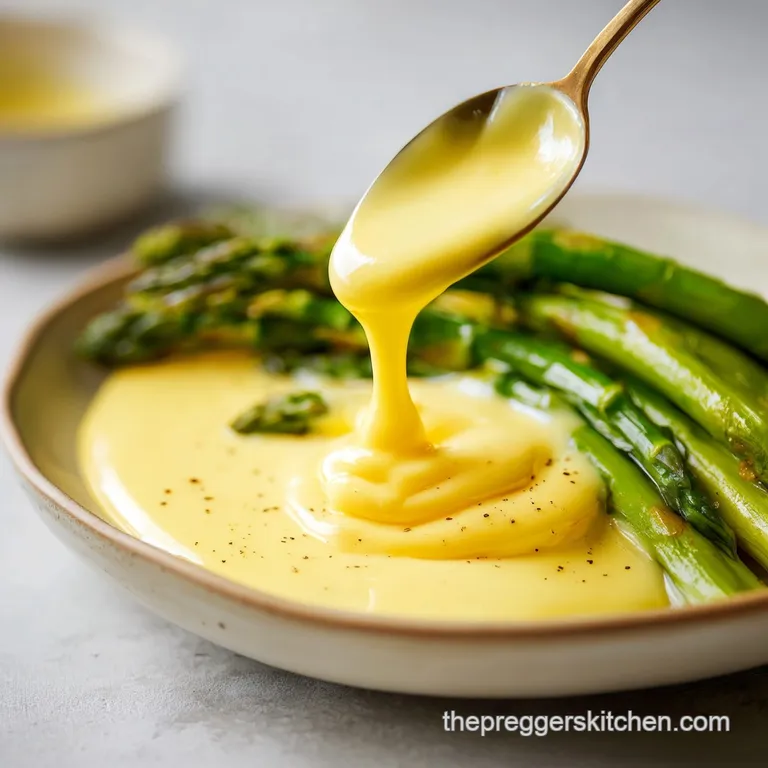
- Time: Active 10 minutes, Passive 10 minutes, Total 20 minutes
- Flavor/Texture Hook: Silky, buttery, and tangily balanced
- Perfect for: Prenatal brunch, nutrient dense breakfasts, or beginner friendly emulsion training
- Achieve a Velvety Pregnancy Safe Hollandaise Sauce
- The Logic Behind This Hollandaise Sauce
- Accurate Recipe Specifications and Yield
- Essential Components for Success
- Required Culinary Tools
- Critical Execution Phases
- Diagnostic Guide and Resolutions
- Scaling for Different Occasions
- Comparison of Preparation Styles
- Dispelling Common Kitchen Myths
- Thermal Preservation and Zero Waste
- Serving Suggestions and Pairings
- Recipe FAQs
- 📝 Recipe Card
Achieve a Velvety Pregnancy Safe Hollandaise Sauce
The scent of lemons hitting a warm bowl always takes me back to my first trimester. I was craving that rich, buttery finish on my morning greens but felt completely sidelined by the warnings about raw egg yolks.
I stood in my kitchen, whisk in one hand and a digital thermometer in the other, determined to find the exact point where safety meets silkiness. It took three tries and one very sad bowl of scrambled eggs, but I finally cracked the code.
We often think of this sauce as a high wire act, but it is really just a lesson in gentle thermodynamics. When you see those first golden ribbons form without clumping, you will realize that precision beats luck every single time.
This version uses a double boiler method to ensure the yolks are pasteurized without losing their ability to hold onto the butter.
We are going to focus on the science of the "thermal window." By hovering between specific temperatures, we create a sauce that is thick enough to coat a spoon but light enough to feel like a cloud.
There is no guesswork here, just a solid plan for a safe hollandaise sauce that tastes exactly like the classic French version.
The Logic Behind This Hollandaise Sauce
The Physics of the Emulsion: Lecithin in the yolks acts as a bridge between water and fat, creating a stable network when agitated. By maintaining a specific thermal window, we stabilize these bonds without denaturing the proteins into clumps.
Thermal Pasteurization: Heating the yolks to exactly 71°C neutralizes potential pathogens while keeping the proteins fluid enough to trap air and fat. This allows for a safe hollandaise sauce for pregnancy without sacrificing the traditional mouthfeel.
Lipid Integration: Slowly drizzling the melted butter encourages the fat droplets to disperse evenly within the egg matrix. If added too quickly, the fat overwhelms the lecithin bridges, causing the sauce to "split" or separate.
Acidic Stabilization: Lemon juice lowers the pH of the mixture, which actually helps the egg proteins repel each other slightly. This prevents them from bonding too tightly and turning into a solid mass of cooked egg.
| Stage | Internal Temp | Rest Time | Visual Cue |
|---|---|---|---|
| Safety Zone | 71°C | 0 mins | Foamy, pale yellow streaks |
| Emulsion Base | 63°C | 2 mins | Thickened, ribbons hold for 2 seconds |
| Serving Temp | 50°C | N/A | Velvety, glossy sheen |
Achieving the right consistency is about watching the whisk marks. If they disappear instantly, you need more heat; if they look like ripples in heavy cream, you are exactly where you need to be.
Accurate Recipe Specifications and Yield
This recipe is designed to yield 4 servings, which is perfect for a small family gathering or a couple of days of nutrient dense breakfasts. Because we are using heat to ensure a safe hollandaise sauce, the volume is slightly more stable than a cold blender version.
| Servings | Ingredient Adjustments | Pan Size | Cook Time |
|---|---|---|---|
| 2 People | 2 yolks, 0.5 tbsp lemon | Small saucepan | 8 minutes |
| 4 People | 3 yolks, 1.5 tbsp lemon | Medium double boiler | 10 minutes |
| 8 People | 6 yolks, 3 tbsp lemon | Large glass bowl | 15 minutes |
Working with small batches ensures that the heat remains even. If you try to double this in a tiny pot, the bottom layer of yolks will cook too fast before the top layer reaches the safety threshold. Always match your bowl size to the volume of your ingredients to maintain thermal control.
| Ingredient | Science Role | Pro Secret |
|---|---|---|
| 3 Pasteurized Egg Yolks | Primary Emulsifier | Start with room temperature yolks to prevent thermal shock. |
| 0.5 cup Unsalted Butter | Structural Fat | Use high-quality butter with low water content for a thicker finish. |
| 1.5 tbsp Lemon Juice | pH Regulator | Fresh juice provides the necessary ionic charge for stability. |
Essential Components for Success
This shopping list focuses on high-quality fats and proteins. When making a pregnancy safe hollandaise sauce recipe, the quality of the egg is less about "raw safety" (since we are cooking them) and more about the strength of the yolk membrane.
- 3 large pasteurized egg yolks: These provide the lecithin needed for the emulsion. Why this? Essential for texture and safety. (Substitute: Standard yolks, provided you hit the 71°C mark).
- 1 tbsp water: Thins the yolks initially to allow for even heating. Why this? Prevents early curdling. (Substitute: Vegetable stock for a savory depth).
- 1.5 tbsp freshly squeezed lemon juice: Provides the necessary acid to cut through the fat. Why this? Stabilizes egg proteins. (Substitute: White wine vinegar).
- 0.25 tsp salt: Enhances the buttery notes. Why this? Essential flavor balancer. (Substitute: Sea salt).
- 1 pinch cayenne pepper: Adds a subtle back end warmth without heat. Why this? Classic French seasoning. (Substitute: Smoked paprika).
- 0.5 cup unsalted butter: The main body of the sauce. Why this? Controls salt levels perfectly. (Substitute: Clarified butter/Ghee).
For a complete brunch experience, I often serve this alongside a crisp Prosecco Mocktail in recipe to balance the richness of the butter.
Required Culinary Tools
You don't need fancy gadgets, but a few specific items make this homemade hollandaise safe for pregnancy much easier to manage. Precision is your best friend when working with egg based sauces.
- Heat proof Glass Bowl: Fits over a saucepan without touching the water (the "Bain Marie" setup).
- Balloon Whisk: Essential for incorporating air and distributing heat evenly.
- Digital Instant Read Thermometer: This is non negotiable for safety. I use a Thermapen, but any reliable probe works.
- Small Saucepan: To hold the simmering water.
- Small Pitcher: For drizzling the butter with one hand while whisking with the other.
Chef's Tip: If your bowl keeps sliding around the pot, roll up a damp kitchen towel into a ring and place it between the pot and the bowl. It acts as a stabilizer and seals in the steam.
Critical Execution Phases
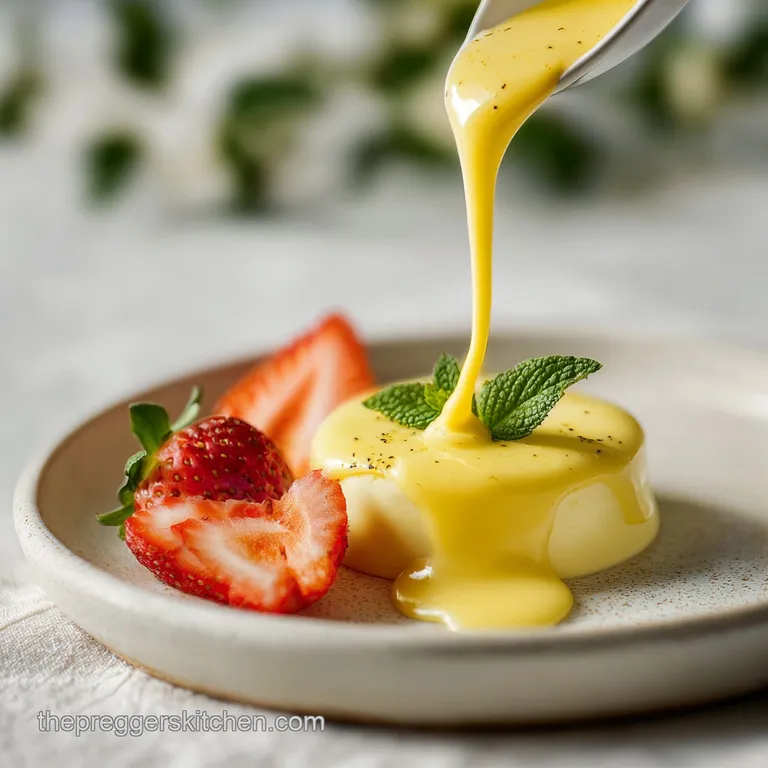
- Prepare the water bath. Fill a saucepan with 5 cm of water and bring to a gentle simmer. Note: The water should never touch the bottom of your glass bowl.
- Combine the base. Whisk the 3 large pasteurized egg yolks, 1 tbsp water, and 1.5 tbsp lemon juice in your glass bowl until foamy.
- Begin the thermal climb. Place the bowl over the simmering water. Whisk until the mixture reaches 71°C on your digital thermometer.
- Hold for safety. Maintain this temperature for 15 seconds to ensure a hollandaise sauce pregnancy safe result. Watch for the mixture to double in volume and lighten in color.
- Melt the fat. While the eggs are heating, melt 0.5 cup unsalted butter. Ensure it is warm (about 50°C) but not bubbling hot.
- Emulsify the sauce. Remove the egg bowl from the heat. Add the melted butter drop by-drop at first, whisking vigorously.
- Increase the flow. Once the sauce thickens and looks glossy, you can pour the butter in a thin, steady stream. Stop if you see pools of oil forming on the surface.
- Season the mixture. Stir in 0.25 tsp salt and a pinch of cayenne pepper.
- Check the consistency. If the sauce is too thick, whisk in a teaspoon of warm water. It should drape over a spoon like heavy silk.
- Hold for serving. Keep the bowl in a warm spot (or over the turned off pot of water) until ready to plate.
Diagnostic Guide and Resolutions
Why Your Sauce Split
If you see clear oil separating from yellow clumps, the fat was added too quickly or the eggs got too hot. The emulsion has "broken," meaning the water and oil are no longer shaking hands.
Preventing Grainy Texture
Graininess usually happens when the egg yolks cook too fast at the edges of the bowl. This is why we use a round whisk and keep the mixture moving constantly. If you see tiny yellow dots, you’ve essentially made very fine scrambled eggs.
| Problem | Root Cause | Solution |
|---|---|---|
| Thin/Runny | Insufficient heat | Return to water bath; whisk for 2 more mins. |
| Broken/Oily | Fat added too fast | Whisk a fresh yolk with a teaspoon of water, then slowly add broken sauce. |
| Curdled/Clumpy | Overheated eggs | Strain through a fine mesh sieve; add a splash of warm water. |
Common Mistakes Checklist
- ✓ Never let the water boil aggressively; a gentle simmer is all you need for safe hollandaise sauce.
- ✓ Do not skip the water in the initial egg mixture; it buffers the proteins from the heat.
- ✓ Always use a digital thermometer; guessing the temperature is how mistakes happen.
- ✓ Pat your poaching eggs dry before adding the sauce to prevent dilution.
- ✓ Use unsalted butter so you can control the final flavor profile yourself.
Scaling for Different Occasions
When scaling this recipe down for a solo breakfast, use only 1 yolk and reduce the lemon juice to a teaspoon. Keep in mind that smaller amounts lose heat faster, so you’ll need to work quickly once the bowl leaves the water bath.
For larger groups (8+ people), I recommend making the sauce in two separate batches. Hollandaise is an "active" sauce; trying to manage 8 yolks at once often leads to uneven cooking.
If you must scale up in one go, reduce the lemon juice by 10% to prevent the acid from becoming too sharp, and only increase the cayenne pepper to 1.5x the original amount.
In professional kitchens, we often use clarified butter for large batches because it is more stable at higher temperatures. If you are serving a crowd, this helps the easy pregnancy safe hollandaise hold its texture for the duration of the meal.
Comparison of Preparation Styles
| Method | Time | Texture | Best For |
|---|---|---|---|
| Double Boiler (This Recipe) | 20 mins | Thick, airy, stable | Safety conscious cooks |
| Blender Method | 5 mins | Thin, smooth, liquid | Quick weeknight meals |
| store-bought Jar | 0 mins | Heavy, gelatinous | Emergency backups only |
The double boiler method is superior for pregnancy because the blender method often fails to reach the 71°C safety threshold. While the blender is fast, the friction from the blades rarely provides enough heat to pasteurize the eggs thoroughly.
Dispelling Common Kitchen Myths
Myth: You cannot reheat hollandaise. Truth: You can, but you must do it very gently. Never use a microwave. Instead, place the sauce in a bowl over a pot of warm (not boiling) water and whisk in a teaspoon of warm water to loosen it up.
Myth: Hollandaise must be made with raw eggs to be authentic. Truth: Traditional French technique actually involves cooking the yolks into a "sabayon" over heat. This pasteurizes them naturally. A cooked base is actually more traditional than the raw blender versions popular today.
Myth: Vinegar is better than lemon juice. Truth: Both work, but lemon juice provides a fresh, bright note that complements the richness of the butter better. Vinegar can sometimes leave a harsh aftertaste if not reduced first with shallots.
Thermal Preservation and Zero Waste
Storage: You can store any leftover hollandaise in an airtight container in the fridge for up to 2 days. Because it contains a high amount of butter, it will solidify into a firm block. Do not be alarmed!
Freezing: I do not recommend freezing this sauce. The emulsion is delicate, and the ice crystals formed during freezing will cause the fat and water to separate completely upon thawing. You will end up with a watery, clumpy mess that is nearly impossible to fix.
Zero Waste: If you have leftover sauce, don't toss it. It makes an incredible base for a creamy vegetable soup, or you can use it as a rich topping for our Stuffed Bell Peppers recipe. Simply dollop a bit on top before the final minutes of baking for a decadent finish. You can also whisk a spoonful into mashed potatoes for a silky, citrusy twist.
Serving Suggestions and Pairings
The classic application is, of course, Eggs Benedict. Place a poached egg over a slice of Canadian bacon and a toasted English muffin, then ladle the sauce generously over the top. The warmth of the egg helps keep the sauce fluid.
For a lighter option, try drizzling this poached eggs safe pregnancy hollandaise over steamed asparagus or roasted broccoli. The acidity of the lemon cuts through the earthy tones of the greens perfectly. If you are looking for a complete meal, it pairs beautifully with grilled salmon or pan seared scallops.
If you are hosting a brunch, remember to keep your beverages in mind. While your guests might enjoy a traditional mimosa, a Non Alcoholic Mimosa in recipe is a fantastic, folate packed alternative that feels just as celebratory. The effervescence of the mocktail cleanses the palate between bites of the rich, buttery sauce.
Recipe FAQs
Can I have hollandaise sauce if I'm pregnant?
Yes, if prepared using pasteurized temperatures. Traditional recipes use raw yolks, but this method heats the yolks to 71°C to ensure safety without scrambling them.
Can my pregnant wife eat Eggs Benedict?
Only if the hollandaise uses pasteurized eggs. The main risk is the sauce; the poached egg should ideally be cooked until the yolk is firm or cooked to 71°C as well.
Does all Hollandaise have raw eggs?
No, this is a common misconception. Classic French technique involves gently cooking the egg yolks over a water bath until they reach the thickening stage, which pasteurizes them.
How do I fix a hollandaise sauce that has split or separated?
Whisk a fresh egg yolk with one teaspoon of water in a clean bowl. Slowly drizzle the broken sauce into this new base while whisking constantly to rebuild the emulsion.
How do I make sure my hollandaise emulsion is stable and not too thin?
Ensure the butter is incorporated slowly when the mixture is thick enough to coat the back of a spoon. If you mastered controlling the heat transfer during the initial warming phase, your stabilization will be much easier.
What is the secret to preventing the hollandaise from scrambling while heating?
Use constant, gentle whisking over low, indirect heat (a double boiler). Never let the water boil vigorously; the indirect heat allows the proteins to gently unwind and thicken rather than seizing up into clumps.
Can I make hollandaise ahead of time?
Yes, but reheating requires caution. You can prepare the base and keep it warm in a thermos for about two hours, or store it in the fridge and reheat it very slowly over warm, not hot, water.
Safe Hollandaise Sauce Recipe
Ingredients:
Instructions:
Nutrition Facts:
| Calories | 249 kcal |
|---|---|
| Protein | 2.5 g |
| Fat | 26.6 g |
| Carbs | 0.9 g |
| Fiber | 0 g |
| Sugar | 0.3 g |
| Sodium | 147 mg |
