Salmon and Spinach: Healthy Pregnancy Dinner
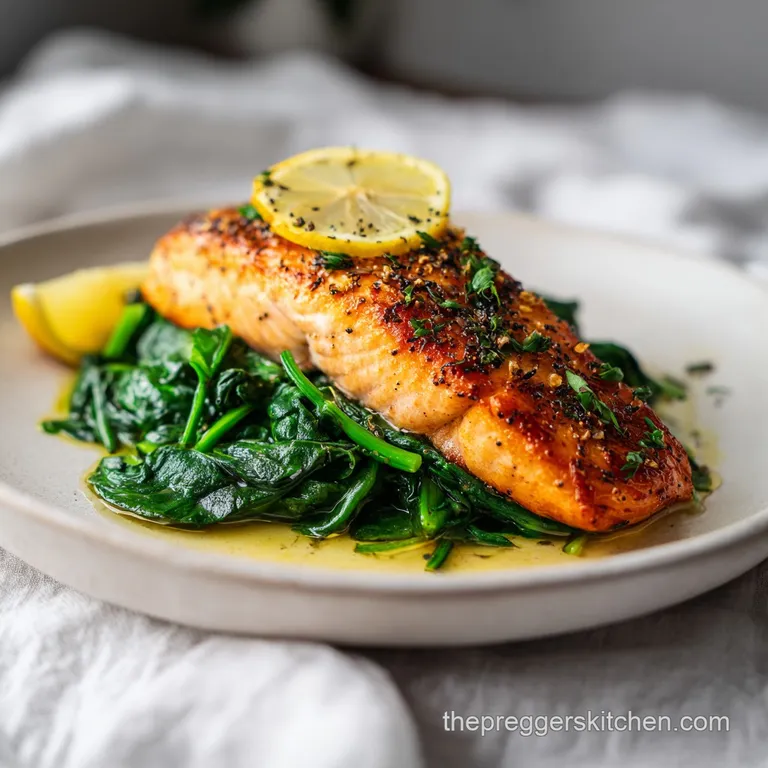
- Quick Easy Dinner Recipe for Healthy Pregnancy with Salmon and Spinach
- Moisture Retention and Texture Control
- Essential Recipe Specification Details
- Wholesome Elements and Nutrient Profiles
- Precision Tools for Consistent Results
- Sequential Instructions for Flawless Finish
- Resolution for Common Cooking Errors
- Trimester Specific Flavor Modifications
- Proper Food Safety and Storage Guidelines
- Nutrient Synergies and Serving Ideas
- Recipe FAQs
- 📝 Recipe Card
Quick Easy Dinner Recipe for Healthy Pregnancy with Salmon and Spinach
Did you ever wonder why restaurant salmon has that silky, melt in-the mouth feel while home cooked fillets often end up resembling a dry sponge? It usually comes down to a few seconds of carryover heat and the way the proteins respond to sudden temperature shifts.
Discover this one standout quick and easy dinner recipe for a healthy pregnancy, featuring salmon and spinach. This dish isn't just about convenience; it is a calculated approach to fueling your body with folate packed greens and DHA rich fish without the risk of a rubbery texture or soggy vegetables.
Many of us have been taught to cook fish until it flakes easily with a fork, but by the time that happens, the internal fibers have often contracted so tightly they’ve squeezed out all their moisture.
During pregnancy, your sensory perception is heightened, and the metallic or "fishy" notes that come from overcooked oils can be particularly off putting. This method focuses on a over high heat, short duration roast that seals the surface while leaving the center buttery and wholesome.
We are aiming for a balance where the cherry tomatoes burst just enough to create a natural sauce, and the spinach wilts into a velvety bed rather than a watery mess. It sounds simple, and it is, but the science of preventing moisture loss is what makes this a repeatable success.
We are looking for that specific point where the salmon is opaque but still holds its succulent structure, providing an iron rich meal that supports both your energy levels and fetal development.
Moisture Retention and Texture Control
- Thermal Insulation: Placing the salmon on a bed of spinach and tomatoes creates a steam cushion, protecting the delicate underside of the fish from the harsh direct heat of the baking sheet.
- Honey Lipid Barrier: The honey in the glaze isn't just for sweetness; it creates a viscous shield that slows down evaporation, keeping the salmon's natural juices trapped inside the muscle fibers.
- Residual Wilt Method: By letting the spinach finish cooking in the residual heat of the oven after it's turned off, we prevent the cell walls of the greens from collapsing entirely into a liquid puddle.
- Acidic Protein Stabilization: Lemon juice helps denature the surface proteins slightly before they hit the heat, which creates a firmer exterior texture that contrasts beautifully with the flaky interior.
| Fillet Thickness | Internal Temp | Rest Time | Visual Cue |
|---|---|---|---|
| 2 cm (Standard) | 63°C | 2 minutes | Opaque center with slight translucency |
| 3 cm (Thick cut) | 63°C | 4 minutes | Beads of moisture on surface |
| 1.5 cm (Thin) | 62°C | 1 minute | Flakes easily at the thickest part |
While the oven is generally the safest bet for even cooking during pregnancy, some people prefer the sear of a pan. However, the oven method used here provides a more controlled environment for the folate packed spinach to soften without burning.
Using a meat thermometer is the most reliable way to ensure food safety while maintaining that velvety texture we crave.
Essential Recipe Specification Details
Precision is the foundation of any nutrient dense meal, especially when you are eating for two. When we talk about a "quick" meal, we mean exactly 10 minutes of active prep and 10 minutes of cooking.
This prevents the "kitchen fatigue" that often hits during the second or third trimester. We are using 170g fillets because this size provides an optimal ratio of protein to healthy fats, ensuring you hit your macros without feeling overstuffed.
The brown rice base is non negotiable for its fiber content, which is a lifelike savior for digestive regularity. When you prepare this, you want to ensure the rice is steaming hot to help slightly wilt the spinach further once plated.
The synergy between the Vitamin C in the tomatoes and the non heme iron in the spinach is a classic example of nutritional teamwork, as the acid helps your body absorb the minerals more effectively.
| Component | Science Role | Pro Secret |
|---|---|---|
| Salmon | Omega-3 Source | Pat dry to ensure the glaze sticks and doesn't slide off. |
| Baby Spinach | Folate Provider | Pack the leaves tightly under the fish to create a "steam tent." |
| Cherry Tomatoes | Lycopene/Acid | Halve them to release juices that emulsify with the olive oil. |
| Lemon Juice | Protein Denaturant | Use fresh only; bottled lacks the enzymes needed for bright flavor. |
For those looking to expand their repertoire of nutrient dense meals, understanding these ingredient roles is key. If you're looking for more variety in your plant based intake, you might also enjoy a Spinach and Lentils recipe which utilizes similar iron absorption principles through acidic balancing.
Wholesome Elements and Nutrient Profiles
Selecting the right ingredients for this quick easy dinner recipe for healthy pregnancy with salmon and spinach involves looking for the most vibrant, nutrient dense options available.
Wild caught salmon is preferred here because of its higher mineral content and specific fatty acid profile compared to farmed varieties.
- 2 wild caught salmon fillets (170g each), skin on Why this? The skin provides a fat buffer and holds the fillet together.
- 150g fresh baby spinach, pre washed Why this? Baby spinach has thinner stems and a more velvety texture when wilted.
- 120g cherry tomatoes, halved Why this? These provide the necessary moisture and acidity for the pan sauce.
- 1 tbsp extra virgin olive oil Why this? High in monounsaturated fats that are stable at roasting temperatures.
- 1 tbsp fresh lemon juice Why this? Breaks down the heavy oils and adds a bright top note.
- 1 tsp honey Why this? Encourages slight browning and balances the lemon's tartness.
- 1 clove garlic, finely minced Why this? Adds depth and contains sulfur compounds beneficial for immunity.
- 0.5 tsp dried oregano Why this? Earthy notes that ground the sweetness of the honey.
- 1 pinch sea salt Why this? Enhances the natural umami of the fish.
- 1 pinch cracked black pepper Why this? Adds a subtle heat without being overwhelming.
- 250g pre cooked brown rice Why this? Complex carbohydrates for sustained energy release.
| Original Ingredient | Substitute | Why It Works |
|---|---|---|
| Brown Rice | Quinoa | Higher protein content and cooks even faster. |
| Baby Spinach | Swiss Chard | Similar folate levels but requires removing the tough stems. |
| Honey | Maple Syrup | Provides a different mineral profile (manganese) and similar stickiness. |
| Salmon | Arctic Char | Very similar flavor profile and high omega-3 content. |
It is worth noting that if you choose quinoa over rice, you are opting for a "complete protein" which can be helpful if you find your appetite for meat is lower on some days. This is a common strategy in a High Protein Quinoa meal where the focus is on maintaining muscle mass and steady blood sugar.
Precision Tools for Consistent Results
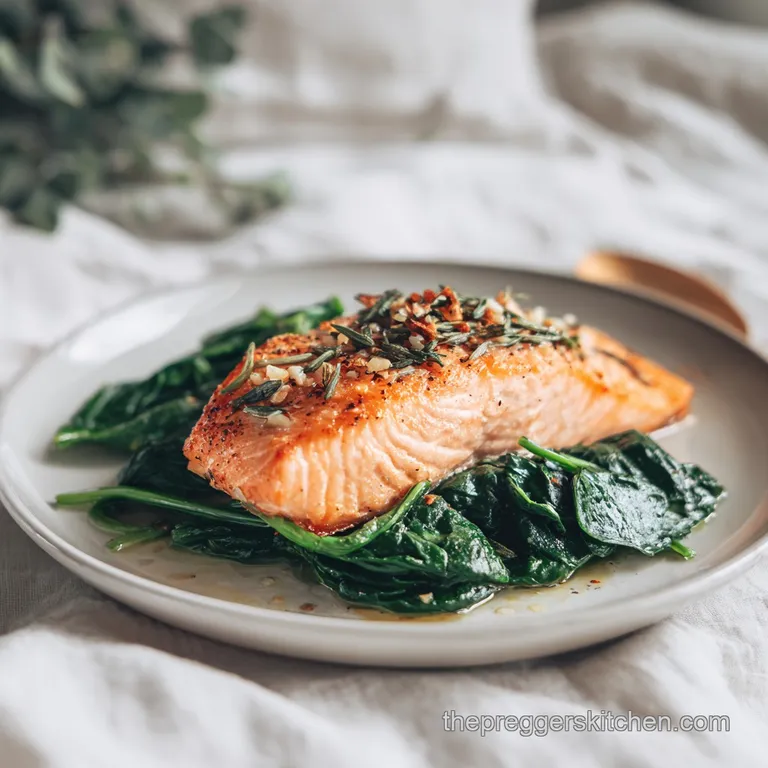
To execute this recipe flawlessly, you don't need a professional kitchen, but you do need a few items that prioritize temperature control. A rimmed baking sheet is essential because as the tomatoes burst and the spinach releases its initial moisture, you don't want those precious juices running off into the bottom of your oven.
Parchment paper is another non negotiable tool. It prevents the salmon skin from sticking to the metal, which can cause the fillet to tear when you try to serve it. More importantly, parchment paper acts as a mild insulator, preventing the bottom of the vegetables from scorching before the fish is cooked through.
A small whisk or even just a fork is needed to emulsify the glaze, ensuring the honey and oil don't separate during the roasting process.
Chef's Tip: If you have a digital meat thermometer, use it. For pregnancy safety, we need to hit 63°C (145°F). Taking the fish out at exactly this point ensures it stays juicy rather than turning into "salmon jerky."
| Feature | Stovetop Searing | Oven Roasting (This Recipe) |
|---|---|---|
| Cleanup | High (oil splatters) | Low (parchment lined) |
| Texture | Crispy skin, firm | Tender, flaky, and uniform |
| Passive Time | 0 minutes | 8-10 minutes |
Using the oven method allows you to step away for 10 minutes, which is a significant benefit when you're managing the fatigue that often comes with pregnancy. It also ensures the salmon is cooked evenly from all sides, reducing the risk of cold spots.
Sequential Instructions for Flawless Finish
Follow these steps exactly to ensure the salmon reaches the correct internal temperature while the spinach retains its vibrant green color and nutrient density.
- Preheat your oven to 200°C (400°F). Line a large rimmed baking sheet with parchment paper. In a small bowl, whisk together the olive oil, lemon juice, honey, garlic, and dried oregano until the mixture is fully emulsified. Note: This ensures the flavor is distributed evenly over every bite.
- Pat the salmon fillets completely dry with paper towels. Squeeze them gently to remove surface moisture. Note: Wet skin will steam rather than roast, leading to a limp texture.
- Spread the baby spinach and halved cherry tomatoes in the center of the prepared pan and drizzle with one teaspoon of the oil mixture. Toss them slightly with your hands to coat every leaf.
- Place the salmon fillets on top of the greens and brush the remaining glaze generously over the fish. Ensure the sides are coated to lock in moisture.
- Roast for 8–10 minutes until the salmon is opaque and the tomatoes have begun to shrivel and release their juices.
- Check the internal temperature with a thermometer; it should read exactly 63°C (145°F) at the thickest part. Do not exceed this temperature.
- Remove from the oven and let rest for 2 minutes to allow the residual heat to finish wilting the spinach. The steam trapped between the fish and greens will finish the process gently.
- Serve immediately over steaming brown rice. Pour any juices from the parchment paper over the rice for maximum flavor.
The "shatter" of the roasted salmon flakes when you press them with a fork is the ultimate sign of success. The spinach should be velvety, coated in a light sauce of lemon, honey, and tomato juices. This is a far cry from the bland, boiled tasting fish many people associate with healthy eating.
Resolution for Common Cooking Errors
One of the most frequent frustrations with salmon is the appearance of a white, gooey substance on the surface. This is called albumin. While it is perfectly safe to eat, it is a sign that the muscle fibers have contracted too quickly, usually due to high heat or overcooking.
The "White Stuff" (Albumin)
Albumin is a protein that exists in liquid form inside the raw fish. When the salmon is heated too aggressively, the muscle fibers tighten like a wrung out towel, pushing the liquid albumin to the surface where it coagulates into those white clumps.
To prevent this, ensure your salmon is closer to room temperature before roasting and stick strictly to the 200°C temperature. If you see a lot of it, you've likely overshot the 10 minute mark.
Avoiding Sogginess
If your spinach ends up sitting in a pool of water, it’s usually because the greens weren't dried properly after washing. Even "pre washed" spinach can benefit from a quick spin in a salad spinner. Plus,, don't salt the spinach too early.
Salt draws out moisture through osmosis; by salting only at the end or within the glaze, we keep the moisture inside the cell walls of the greens until they hit the heat.
| Problem | Root Cause | Solution |
|---|---|---|
| Dry, Chalky Salmon | Internal temp exceeded 65°C | Pull the fish at 62°C and let carryover heat reach 63°C. |
| Slimy Spinach | Overcooked or too much liquid | Roast for no more than 10 mins; use the "residual wilt" method. |
| Lack of Flavor | Glaze didn't penetrate | Pat fish dry before glazing so the oil and honey can adhere. |
Common Mistakes Checklist
- ✓ Don't skip the paper towel pat down; moisture is the enemy of a good roast.
- ✓ Use a thermometer rather than "visual guessing" to ensure pregnancy food safety.
- ✓ Never place the salmon directly on the metal; the spinach bed is a functional heat shield.
- ✓ Avoid using "low-fat" substitutes for the olive oil; the fat is necessary for nutrient absorption.
- ✓ Let the fish rest; slicing into it immediately causes the juices to run out onto the plate.
Trimester Specific Flavor Modifications
Scaling this recipe for a larger family or adjusting it for a single serving is quite straightforward. Because the cooking time is short, you can easily double the batch on a single large sheet pan.
When scaling UP, be careful not to crowd the pan. If the salmon fillets are touching, they will steam rather than roast, and the spinach won't have room for the moisture to evaporate, leading to a soggy base. Use two separate pans if necessary, and rotate them halfway through the 10 minute cook time.
For scaling DOWN, you can use a toaster oven or a small baking dish, but keep an eye on the time as smaller environments can heat up faster.
The First Trimester Version
If you are struggling with morning sickness or a sensitive nose, the smell of garlic or oregano might be too much. You can simplify the glaze to just lemon and a tiny bit of salt. The acidity of the lemon often helps with nausea, while the salmon provides essential protein that is easier to digest than heavy red meats.
The Mediterranean Twist
For those in the second or third trimester who are craving bolder flavors, you can add 1 tbsp of capers or a few kalamata olives to the spinach bed. These add a salty punch that complements the salmon perfectly. Just be mindful of the extra sodium if you are tracking your blood pressure.
| Goal | Adjustment | Outcome |
|---|---|---|
| Extra Energy | Increase rice to 150g per person | More complex carbs for long term fuel. |
| Lower Calorie | Swap rice for cauliflower rice | Significantly reduces carb count while keeping volume. |
| Higher Iron | Double the spinach to 300g | Increases folate and iron without adding much time. |
If you find that you love the combination of salmon and grains, you can also explore a Salmon Quinoa meal which is designed specifically for that 25 minute window when you need something nourishing but fast.
Proper Food Safety and Storage Guidelines
During pregnancy, food safety is paramount. Salmon is low in mercury and high in benefits, making it one of the best choices for your diet, but it must be handled correctly. This quick easy dinner recipe for healthy pregnancy with salmon and spinach is best served fresh, but if you have leftovers, they must be cooled rapidly.
Storage: Store any leftover salmon and spinach in an airtight container in the fridge for no more than 2 days. When reheating, do it gently. Using a microwave on high will almost certainly turn the fish rubbery.
Instead, try reheating it in a covered pan over low heat with a splash of water to create steam, which keeps the fish moist.
Freezing: I don't recommend freezing the cooked spinach as the texture becomes quite mushy upon thawing. However, you can freeze the raw salmon fillets (if they weren't previously frozen) for up to 3 months. To use, thaw them overnight in the fridge before following the roasting steps.
Zero Waste: Don't throw away those cherry tomato tops or the stems of the spinach! While baby spinach stems are tender, if you use a larger variety, save the stems for a morning smoothie.
Any leftover salmon can be flaked into a cold salad the next day or mixed with a little greek yogurt and lemon for a pregnancy safe "salmon salad" sandwich.
Nutrient Synergies and Serving Ideas
To make this meal truly sing, think about the textures you're adding to the plate. The brown rice provides the chewy base, the salmon the flaky protein, and the spinach the silky greenery. To add a bit of "crunch" or a creamy element, there are several pregnancy safe additions that don't require extra cooking.
One of my favorite ways to finish this dish is with a dollop of full fat Greek yogurt mixed with a little more lemon juice. It acts like a healthy tartar sauce, adding probiotics and extra calcium.
Alternatively, a sprinkle of toasted sunflower seeds right before serving can add that missing "snap" that makes a meal feel complete.
The Power Grain Pairing
While the recipe calls for brown rice, don't feel restricted. Farro or barley are excellent high fiber alternatives that offer a nutty flavor profile. The goal is to keep the "Healthy salmon recipes with rice" theme while ensuring you aren't getting bored. Variety in your grains ensures a wider spectrum of B vitamins.
Enhancing Mineral Absorption
Remember that the iron in spinach is "non heme," meaning it’s harder for your body to absorb than the iron found in meat. The Vitamin C in those roasted cherry tomatoes is the key that unlocks that iron.
If you decide to skip the tomatoes, make sure to add an extra squeeze of fresh lemon over the greens right before you eat to keep that absorption high.
There is a common misconception that frozen salmon is inferior to fresh. In reality, most salmon is "flash frozen" at sea, which actually preserves the nutrients and prevents the growth of bacteria.
If you can't find high-quality fresh wild salmon, a bag of frozen fillets is a perfectly scientific and safe choice for this recipe just ensure they are fully thawed and patted dry before you start.
By focusing on these small, science backed details the internal temperature, the moisture barrier of the glaze, and the nutrient synergy of the ingredients you can turn a simple weeknight meal into a high performance dinner that supports your pregnancy health.
It’s about more than just "cooking"; it's about understanding how heat and ingredients interact to give you the best possible results every single time. Enjoy the process and the peace of mind that comes with a perfectly executed, nutrient dense meal.

Recipe FAQs
Is it true I need to cook the salmon until it is completely white throughout?
No, this is a common misconception. Rely on a digital thermometer to reach an internal temperature of 63°C (145°F) rather than relying solely on visual color, which ensures safety while keeping the fish tender.
How to ensure the salmon skin does not stick to the baking sheet?
Line your pan with parchment paper. This barrier prevents the skin from bonding to the metal and makes cleanup significantly faster.
Can I use frozen spinach instead of fresh baby spinach?
No, stick with fresh. Frozen spinach contains too much excess moisture, which would prevent the salmon from roasting properly and turn the dish watery.
How to keep the spinach from burning while the salmon roasts?
Place the salmon fillets directly on top of the greens. This uses the fish as a heat shield, allowing the spinach to wilt gently in the oven rather than crisping or burning.
How to fix salmon that turned out dry and tough?
Check your internal temperature early at the 8-minute mark. Overcooking is usually the culprit, so if you enjoyed mastering these heat management techniques here, applying that same precision to protein doneness will keep your fish succulent.
Is it necessary to use oil in the glaze?
Yes, the extra virgin olive oil is required. The fat is essential for proper nutrient absorption of the vitamins found in the spinach and salmon.
How to serve this meal so it stays warm for both servings?
Plate the salmon immediately after the 2-minute resting period. Resting is crucial for juice retention, and serving it over pre-cooked hot brown rice ensures the dish maintains its temperature.
Salmon And Spinach Dinner

Ingredients:
Instructions:
Nutrition Facts:
| Calories | 602 kcal |
|---|---|
| Protein | 40g |
| Fat | 31g |
| Carbs | 37g |
| Fiber | 5g |
| Sugar | 4g |
| Sodium | 285mg |
