Turkey Burger Well Done Recipe: Smoky & Tender
- Time: Active 15 minutes, Passive 0 minutes, Total 27 minutes
- Flavor/Texture Hook: Smoky, tender, and incredibly juicy with a golden brown crust
- Perfect for: Stress free weeknight dinners or a healthier weekend cookout
- Master the Ultimate turkey burger well done recipe
- The Science of the Moisture Matrix
- Ingredient Deep Dive for Flavor
- Gathering Your Essential Pantry Elements
- Tools for Achieving a Great Sear
- Step by Step Guide to a Better Burger
- Solving Common Dryness and Texture Issues
- Customizing Your Patty for Different Needs
- Debunking Turkey Burger Beliefs
- How to Store and Reheat Your Leftovers
- Plating Your Burger for Maximum Visual Appeal
- Recipe FAQs
- 📝 Recipe Card
Master the Ultimate turkey burger well done recipe
I still remember the first time I tried to make turkey burgers for a casual Friday night in. I had this massive craving for something salty and satisfying, but I wanted to keep it lighter than a standard beef patty. The result? Total disaster.
I ended up with four dry, crumbly pucks that tasted more like cardboard than dinner. It was a classic homemade reality check: turkey is lean, and if you treat it like beef, it will let you down every single time.
That failure sent me on a mission to figure out how to get that "well done" safety without sacrificing the velvety texture we all want. I started playing with ingredients usually reserved for meatballs, and that is when everything clicked.
By adding a bit of fat and moisture back into the mix, you can cook these until they are fully safe and still have juices running down your chin.
These burgers have become a staple in my kitchen because they actually deliver on the promise of a "real" burger. You get that beautiful hiss when the meat hits the pan, followed by the irresistible scent of smoked paprika and garlic filling the air.
It is the kind of meal that feels like an indulgence but leaves you feeling great. Let's get into how we make this happen without a single dry bite in sight.
The Science of the Moisture Matrix
- Protein Buffering: The full fat Greek yogurt acts as a barrier, slowing down the tightening of turkey proteins so they don't squeeze out all their moisture.
- Starch Hydration: Panko breadcrumbs act like tiny sponges, soaking up the fat and juices released during cooking and holding them inside the patty.
- Enzymatic Tenderizing: The acidity in Worcestershire sauce gently breaks down tough muscle fibers, ensuring the burger stays tender even when cooked through.
- Fat Distribution: Since we use 93% lean turkey, the small amount of avocado oil and yogurt mimics the intramuscular fat found in high end beef.
| Thickness | Internal Temp | Rest Time | Visual Cue |
|---|---|---|---|
| 2 cm | 74°C (165°F) | 5 minutes | Juices run clear, center is opaque |
| 2.5 cm | 74°C (165°F) | 5 minutes | Firm to the touch, no pink remains |
| 3 cm | 74°C (165°F) | 7 minutes | Deep brown crust, steam is odorless |
Cooking these on the stovetop gives you that classic diner style crust, but if you're making a big batch, the oven is your best friend. Stovetop cooking relies on direct conduction heat which creates a superior "mahogany" sear, while the oven provides ambient heat that cooks more evenly from edge to center. Much like the technique used in my Chicken and Veggies recipe, balancing heat source and timing is key to the best results.
Ingredient Deep Dive for Flavor
| Ingredient | Science Role | Pro Secret |
|---|---|---|
| Ground Turkey (93%) | Lean protein base | Keep it ice cold until the very second you mix it |
| Full fat Greek Yogurt | Moisture emulsifier | Never use fat free; you need the lipids for mouthfeel |
| Panko Breadcrumbs | Structural binder | Crush them slightly for a more uniform, tight crumb |
| Smoked Paprika | Flavor depth | Toast it in a dry pan for 30 seconds before adding |
Gathering Your Essential Pantry Elements
- 1 lb ground turkey (93% lean): Why this? Provides the best balance of protein and just enough fat for flavor.
- Substitute: Ground chicken (thigh meat preferred).
- 1/2 cup panko breadcrumbs: Why this? Their airy structure absorbs more liquid than traditional fine crumbs.
- Substitute: Crushed saltine crackers or gluten-free breadcrumbs.
- 2 tbsp plain Greek yogurt (full fat): Why this? Adds essential fat and tang that mimics aged beef notes.
- Substitute: Sour cream or 1 tbsp heavy cream.
- 1 tbsp Worcestershire sauce: Why this? The ultimate umami bomb for lean poultry.
- Substitute: Soy sauce mixed with a drop of balsamic vinegar.
- 1 tsp smoked paprika: Why this? Gives a "grilled" aroma even if you're cooking indoors.
- Substitute: Liquid smoke (2 drops) or chipotle powder.
- 2 cloves garlic, minced: Why this? Provides a sharp, aromatic backbone to the mild turkey.
- Substitute: 1 tsp garlic powder.
- 2 tbsp fresh parsley, chopped: Why this? Cuts through the richness with a bright, grassy finish.
- Substitute: Fresh cilantro or dried oregano (1 tsp).
- 1/2 tsp kosher salt: Why this? Enhances all other flavors without being overwhelming.
- Substitute: Sea salt.
- 1/2 tsp coarse black pepper: Why this? Adds a necessary bite to the finish.
- Substitute: White pepper for less visual speckling.
- 1 tbsp avocado oil: Why this? High smoke point ensures a crust without burning.
- Substitute: Grapeseed oil or clarified butter (ghee).
Tools for Achieving a Great Sear
You really don't need much, but a heavy bottomed skillet ideally cast iron is non negotiable for that shatter crisp exterior. A wide, flexible spatula helps you flip the patties without them breaking apart, which can happen with leaner meats. I also highly recommend using a digital meat thermometer; it's the only way to be 100% sure you've hit that well done mark without overshooting into "dry territory." If you are prepping these as part of a larger meal, perhaps alongside my Lemon Herb Chicken recipe, having two pans going at once will save you tons of time.
step-by-step Guide to a Better Burger
- Chill ingredients. Place your mixing bowl in the fridge for 10 minutes. Note: Cold fat stays solid, which leads to a juicier burger later.
- Combine aromatics. In that chilled bowl, whisk the 2 tbsp yogurt, 1 tbsp Worcestershire, 1 tsp paprika, minced garlic, parsley, salt, and pepper.
- Incorporate panko. Fold in the 1/2 cup panko breadcrumbs until they are evenly coated in the wet mixture.
- Add turkey. Gently crumble the 1 lb ground turkey into the bowl. Stop as soon as it's barely combined to avoid a rubbery texture.
- Shape patties. Divide into 4 equal portions and press a small dimple into the center of each. Note: This prevents the burger from "doming" during cooking.
- Heat oil. Add 1 tbsp avocado oil to your skillet over medium high heat until you see wisps of smoke.
- Searing phase. Place patties in the pan. Listen for a loud, aggressive sizzle.
- First flip. Cook for 5-6 minutes until the edges are visibly opaque and the bottom is dark brown.
- Finish cooking. Flip and cook for another 5-6 minutes. The aroma of toasted garlic should be very strong now.
- Temperature check. Insert your thermometer into the thickest part until it reads 74°C (165°F).
- Mandatory rest. Move patties to a plate and wait 5 minutes. Watch as the juices redistribute back into the fibers.
Solving Common Dryness and Texture Issues
Why Your Burger Falls Apart
This usually happens if the meat wasn't cold enough or if there wasn't enough binder. Turkey lacks the natural "glue" that beef has, so the panko and yogurt are doing the heavy lifting here.
If you find the mixture is too wet to handle, let it sit in the fridge for 20 minutes before shaping; this allows the breadcrumbs to fully hydrate and lock the structure together.
| Problem | Root Cause | Solution |
|---|---|---|
| Burger is "spongy" | Over mixing the meat | Use a fork to gently toss, never knead like bread |
| Exterior burns quickly | Heat is too high | Lower heat to medium and use a lid to trap steam |
| Interior is flavorless | Under seasoning the mix | Always season the wet ingredients before adding meat |
Common Mistakes Checklist
- ✓ Never press down on the burger with a spatula (you're squeezing out the juice!)
- ✓ Don't skip the dimple in the middle of the raw patty
- ✓ Avoid using extra lean (99%) turkey; it lacks the fat needed for flavor
- ✓ Ensure the pan is hot before the burger touches the surface
- ✓ Always let the meat rest for at least 5 minutes before serving
Customizing Your Patty for Different Needs
To scale this recipe DOWN for two people, simply use half of everything. For the egg (if you ever choose to add one for extra binding), beat it in a small bowl first and then measure out exactly half.
To scale UP for a party of eight, double the turkey and panko, but keep the salt and spices at about 1.5 times the original amount spices can become overwhelming when doubled linearly.
Chef's Tip: If you want a "smash burger" style, skip the yogurt and panko, increase the oil, and press the meat thin on a screaming hot griddle for only 3 minutes per side.
If you are looking for a lower carb version, swap the panko for 1/4 cup of almond flour. It won't be quite as "shatter crisp" on the outside, but it provides a lovely nutty flavor and keeps the moisture levels high.
For a Mediterranean vibe, throw in some crumbled feta and chopped spinach just be sure to squeeze all the water out of the spinach first, or you'll end up with a soggy mess.
Debunking Turkey Burger Beliefs
One big myth is that you need to cook turkey until it’s rock hard to be safe. While we do need to reach 74°C, modern food safety means that once you hit that number, you're good.
You don't need to go to 180°F just to be "extra safe." Another misconception is that turkey is naturally "bland." Turkey is actually a fantastic canvas for flavors like Worcestershire and smoked paprika; it just needs a little more help in the seasoning department than a steak does.
How to Store and Reheat Your Leftovers
You can keep these cooked patties in an airtight container in the fridge for up to 4 days. They actually make for a great high protein lunch the next day. If you want to freeze them, I recommend freezing them raw with parchment paper between each patty; they will stay fresh for up to 3 months.
To reheat, avoid the microwave if possible, as it will turn the meat rubbery. Instead, splash a teaspoon of water in a skillet, add the burger, and cover it with a lid over low heat until warmed through.
For zero waste, if you have leftover parsley stems, don't toss them! Finely chop them and add them to your next soup base or freeze them in an ice cube tray with a bit of oil. If you find yourself with extra Greek yogurt, it makes a killer base for a quick burger sauce when mixed with a little Dijon mustard and honey.
Plating Your Burger for Maximum Visual Appeal
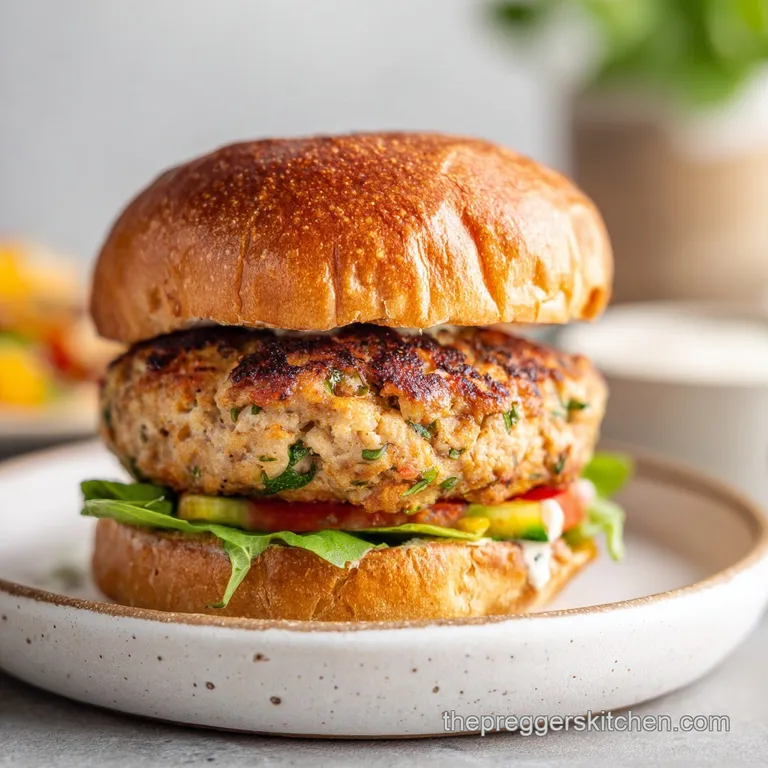
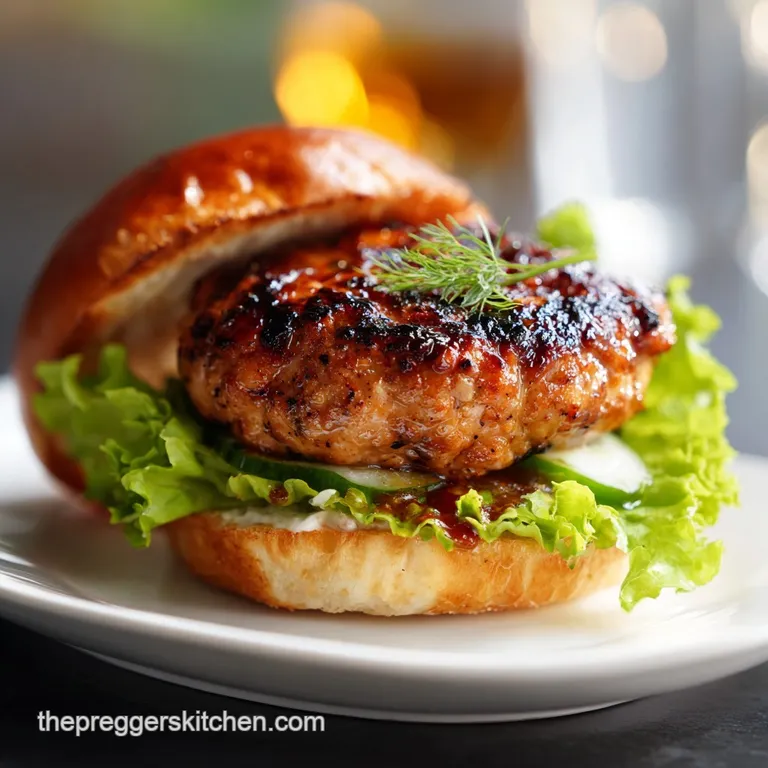
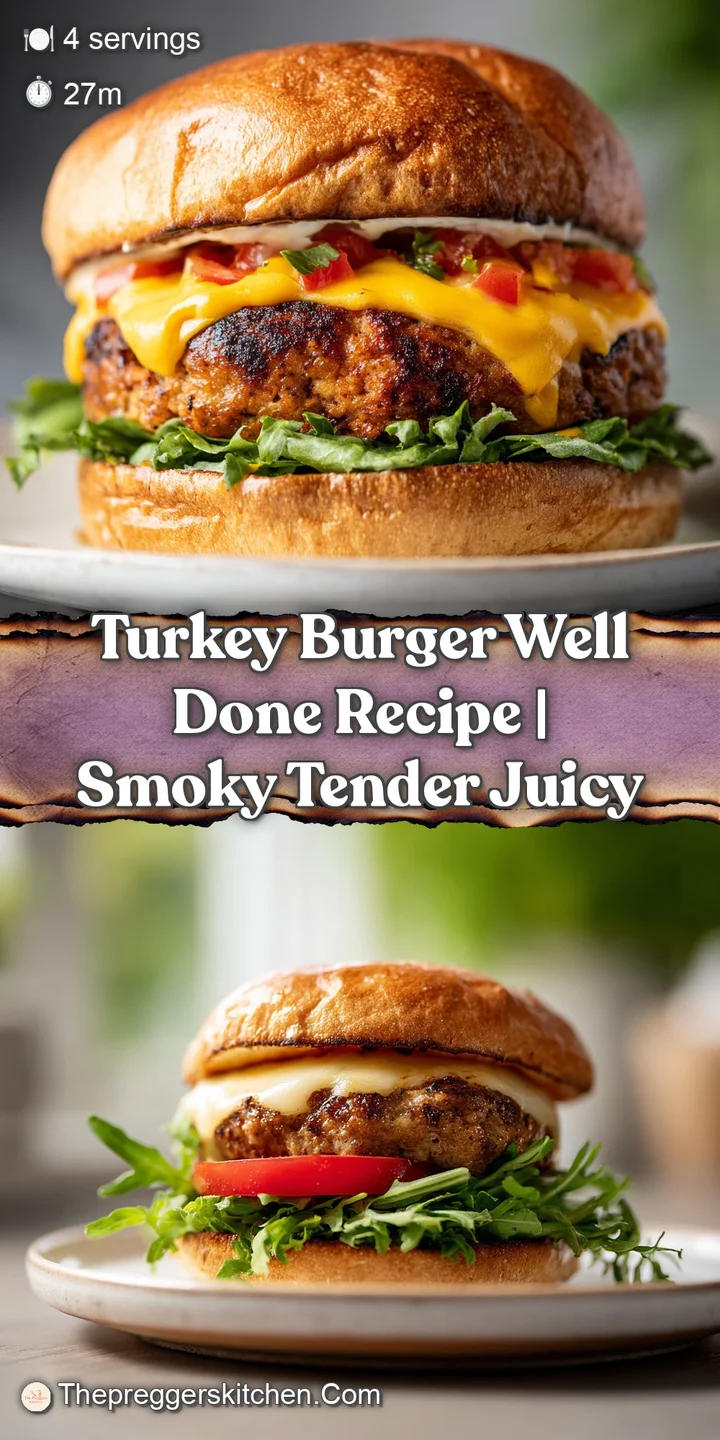
The "homemade reality" of a turkey burger is that it can sometimes look a bit pale. To fix this, focus on the toppings. A toasted brioche bun adds a beautiful golden sheen that complements the dark crust of the meat.
I love adding a slice of sharp cheddar right at the last minute of cooking so it gets perfectly melty and drapes over the sides.
Top it with some crisp arugula for a peppery bite and a thick slice of heirloom tomato. The contrast between the warm, savory burger and the cold, fresh veggies is what makes the eating experience so satisfying.
Serve it with a side of crispy sweet potato fries, and you’ve got a meal that looks like it came straight out of a high end bistro but was made right in your own kitchen.
Recipe FAQs
How long do you cook a turkey burger for well done?
Cook for 11 to 12 minutes total. Aim for an internal temperature of 74°C (165°F) using a thermometer, flipping halfway through the cooking time.
What's the best way to cook a burger well done?
Use medium high heat in a preheated, heavy bottomed skillet. This achieves the necessary surface searing for a crust while ensuring the ambient heat cooks the interior evenly to the required temperature.
What is the best way to cook ground turkey burgers?
Gently mix the ingredients and let the patties rest before searing. Overmixing tightens the protein structure, leading to dryness; gentle handling maintains a tender interior, a skill you'll find useful when balancing liquid ratios in our Homemade Pickles in recipe.
What kind of seasoning is good for turkey burgers?
Smoked paprika, garlic, and Worcestershire sauce work best. Turkey benefits from bold, savory seasonings to compensate for its milder flavor profile compared to beef.
Is it necessary to add a binder like breadcrumbs to turkey burgers?
Yes, binders are crucial for texture retention. Since turkey is so lean, panko breadcrumbs absorb rendered moisture and keep the patty cohesive as it cooks to a safe, well done temperature.
Why do my turkey burgers always end up dry when cooked well done?
You are likely overcooking or not adding back enough moisture during mixing. Incorporating full fat Greek yogurt acts as a fat buffer, which keeps the meat succulent even when cooked past medium.
How do I know for sure my turkey burger is safely done without cutting it open?
Use a reliable digital meat thermometer inserted into the thickest part. The safe internal temperature for ground poultry is 74°C (165°F); always let the patty rest for 5 minutes afterward for residual heat carryover cooking.
Well Done Turkey Burger Recipe
Ingredients:
Instructions:
Nutrition Facts:
| Calories | 262 kcal |
|---|---|
| Protein | 24 g |
| Fat | 13 g |
| Carbs | 12 g |
| Fiber | 1 g |
| Sugar | 1 g |
| Sodium | 468 mg |
