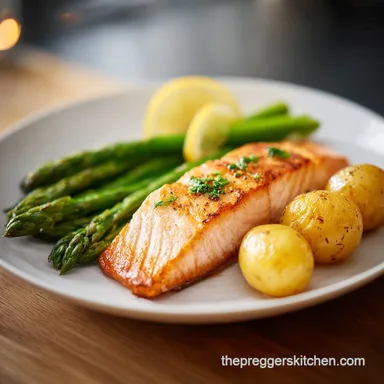
One-Pan Garlic Butter Baked Salmon
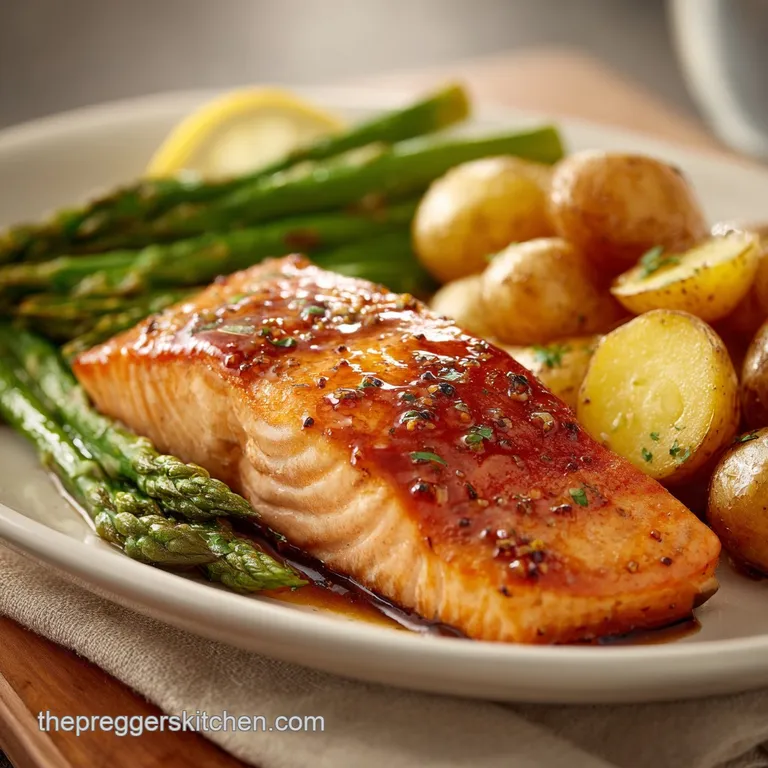
- Time:15 minutes active + 25 minutes cooking = Total 40 minutes
- Flavor/Texture Hook: Velvety garlic butter with potatoes that almost shatter at the edges
- Perfect for: Nutrient dense weeknight dinners for tired expecting moms
- Healthy Pregnancy Dinner Recipe with Baked Salmon
- Why the Staggered Roast Works
- Ingredient Deep Dive
- Ingredients and Nutrient Roles
- Step-by-Step Cooking Guide
- Solving Common Cooking Errors
- Troubleshooting Common Issues
- Adjusting the Portion Size
- Setting the Record Straight
- Saving Your Leftovers
- The Best Side Pairings
- Recipe FAQs
- 📝 Recipe Card
Healthy Pregnancy Dinner Recipe with Baked Salmon
The smell of roasting garlic and fresh lemon hitting a hot oven is one of those scents that actually makes you feel hungry, even if you've been struggling with first trimester aversions.
I remember a Tuesday evening during my second trimester when the sheer exhaustion of "growing a human" made the idea of a multi pot meal feel impossible. I just wanted something that felt nourishing, didn't require me to stand for an hour, and wouldn't leave a mountain of dishes in the sink.
This healthy pregnancy dinner recipe with baked salmon is a delicious and nutritious meal for expecting moms. By putting everything on one sheet pan, we focus on nutrient density without the stress.
The salmon is the hero here, providing those critical omega-3 fatty acids that are so important for baby's brain development, while the asparagus and potatoes offer a balance of folate and complex carbohydrates to keep your energy stable.
You can expect a meal that feels like it came from a bistro but takes very little effort. The key is the timing, as we don't want mushy asparagus or raw potatoes. We're aiming for flaky, moist fish and vegetables that have a bit of a bite to them.
It's a wholesome approach to dinner that acknowledges the physical fatigue of pregnancy while prioritizing maternal wellness.
Why the Staggered Roast Works
When you're cooking different ingredients on one pan, the biggest enemy is "uniform timing." If you put everything in at once, your salmon would be a dry brick by the time the potatoes were soft.
Differential Heat Needs: Potatoes are dense and need longer exposure to high heat to break down starches and crisp the skins. By giving them a 12-15 minute head start, they reach that golden state without overcooking the delicate fish.
Moisture Management: Salmon releases moisture as it cooks. If the potatoes were submerged in that liquid, they'd steam instead of roast. Pushing them to the edges keeps the center of the pan clear for the protein's specific needs.
Protective Glazing: The garlic butter mixture acts as a thermal barrier. It prevents the direct heat of the oven from stripping moisture out of the salmon fillets, keeping the inside velvety and tender.
Nutrient Preservation: Asparagus is delicate. A short, over high heat blast preserves the vibrant green color and prevents the vitamins from degrading, which is essential for a folate packed meal.
| Method | Time | Texture | Best For |
|---|---|---|---|
| Fast (One Pan) | 40 minutes | Crispy potatoes, moist fish | Busy weeknights |
| Classic (Separate) | 60 minutes | Uniformly browned veg | Slow Sunday dinners |
Ingredient Deep Dive
Understanding what each part of this meal does helps you make better choices if you need to swap something out. According to U.S. Department of Agriculture. 2021. FoodData Central. https://fdc.nal.usda.gov/index.html Opens a new window, salmon is a primary source of high-quality protein and omega-3s.
| Ingredient | Science Role | Pro Secret |
|---|---|---|
| Salmon Fillets | Primary Protein & Omega-3 | Pat completely dry for a better sear |
| Baby Potatoes | Complex Carbohydrate | Halve them for maximum surface area |
| Garlic Butter | Flavor Carrier & Moisture Seal | Use unsalted butter to control sodium |
| Lemon Juice | Acidic Brightener | Adds zest to cut through the fatty fish |
Ingredients and Nutrient Roles
Gather these items before you start. Since we're focusing on clean eating recipes, I've kept the additives minimal.
- 4 salmon fillets, 6 oz each Why this? Perfect portion size for balanced protein
- 1 lb baby potatoes, halved Why this? Quick cooking time and high potassium
- 1 lb asparagus, woody ends trimmed Why this? Folate packed and fast roasting
- 2 tbsp olive oil Why this? Heart healthy fat for roasting
- 1/2 tsp salt Why this? Enhances natural flavors
- 1/4 tsp black pepper Why this? Subtle warmth
- 3 tbsp unsalted butter, melted Why this? Creates a velvety sauce
- 3 cloves garlic, minced Why this? Immune support and deep aroma
- 1 tbsp fresh lemon juice Why this? Cuts through the richness of salmon
- 1 tsp dried parsley Why this? Mild herbal note
- 1/2 tsp paprika Why this? Adds a warm, golden color
Smart Ingredient Swaps
| Original Ingredient | Substitute | Why It Works |
|---|---|---|
| Salmon Fillets | Rainbow Trout | Similar omega-3 profile. Note: Slightly milder flavor |
| Baby Potatoes | Parsnips | Earthy sweetness. Note: Roast 5 mins less than potatoes |
| Asparagus | Broccolini | Similar roasting time. Note: Heavier texture, needs more oil |
| Unsalted Butter | Ghee (Clarified Butter) | Higher smoke point. Note: More nutty, toasted flavor |
I usually suggest keeping the lemon juice fresh. Bottled juice can have a metallic aftertaste that clashes with the delicate nature of fish recipes for pregnancy.
Step-by-step Cooking Guide
Right then, let's get into the actual process. Make sure your oven is fully preheated before the potatoes go in, or they'll just soak up the oil without browning.
- Preheat the oven to 400°F (200°C) and line a large rimmed baking sheet with parchment paper. Note: Parchment prevents the butter from sticking
- Toss the halved baby potatoes with 1 tbsp of olive oil, salt, and pepper. Spread them on the pan and roast for 12–15 minutes until edges are slightly golden.
- Push the potatoes to the edges of the pan. Place the salmon fillets in the center and arrange the asparagus in the remaining gaps, drizzling the asparagus with the remaining 1 tbsp of olive oil.
- In a small bowl, whisk together melted butter, minced garlic, lemon juice, parsley, and paprika.
- Spoon the garlic butter mixture generously over each salmon fillet. Note: Ensure the top is fully covered to lock in moisture
- Bake for another 10–12 minutes until the salmon reaches an internal temperature of 145°F (63°C).
- Check that the salmon flakes easily with a fork.
- Remove from the oven and let the fish rest for 3 minutes before serving.
Chef's Note: If you want those potatoes to really shatter when you bite them, make sure they aren't crowded. If the pan is too full, they'll steam and turn soft instead of crispy.
Solving Common Cooking Errors
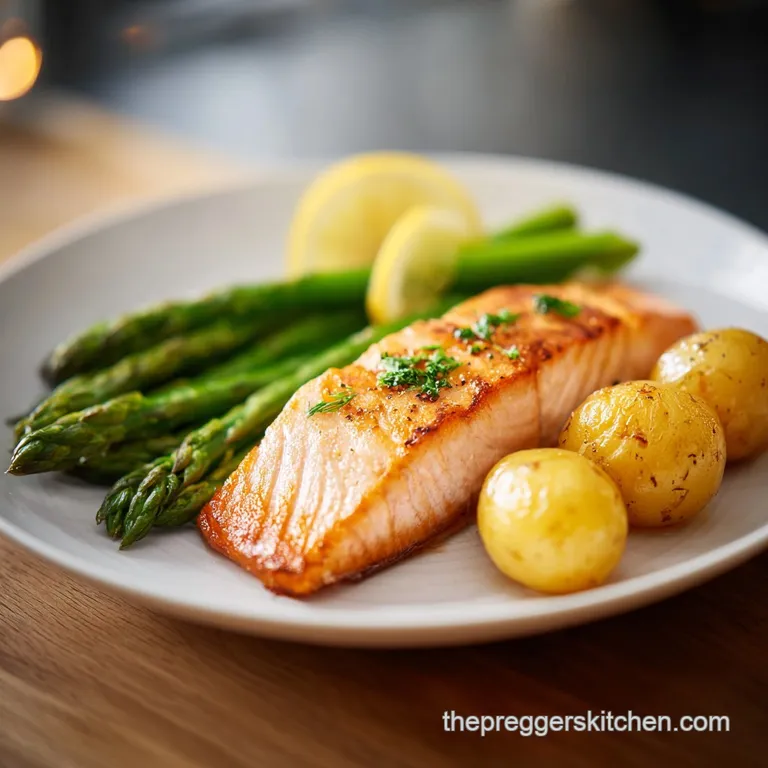
Even the best of us mess up a one pan meal. Usually, it comes down to overcrowding or temperature mishaps. If you're looking for more whole food recipes, remember that simplicity is usually the key to success.
Troubleshooting Common Issues
| Issue | Solution |
|---|---|
| Why Your Salmon Dried Out | This usually happens because of "carryover cooking." If you take the salmon out exactly at 145°F and leave it in a hot pan, the temperature keeps rising. Use a meat thermometer and pull the fish at 14 |
| Why Your Garlic Burned | Garlic has a low burn point. If you put the garlic butter on too early (during the potato phase), it will turn bitter and black. Always add the garlic glaze in the final 10-12 minutes of roasting. |
| Why Your Asparagus is Mushy | This is a classic case of overcooking. Asparagus only needs about 10 minutes at 400°F. If you have very thin stalks, add them 5 minutes after the salmon to ensure they stay snap fresh. |
Common Mistakes Checklist:
- ✓ Avoid overcrowding the pan to ensure roasting, not steaming.
- ✓ Pat salmon dry with a paper towel before adding the glaze.
- ✓ Trim the woody ends of the asparagus to avoid "stringy" bites.
- ✓ Use parchment paper to prevent garlic bits from burning onto the tray.
- ✓ Rest the fish for 3 minutes to allow juices to redistribute.
Adjusting the Portion Size
Depending on if you're cooking for just yourself or a family, you'll need to tweak the approach.
Cooking for One (¼ batch): Use a smaller toaster oven tray. Reduce the potato roasting time by about 20% since there's less thermal mass on the pan. Instead of a whole egg (if you were adding a binder, which we aren't here), just scale the butter glaze proportionally.
Cooking for a Crowd (2x-4x batch): Do not attempt to fit 8 fillets and 2 lbs of potatoes on one tray. You'll end up with a soggy mess. Work in batches using two separate baking sheets.
Keep the salt and paprika to about 1.5x the original amount rather than 2x, as spices can become overpowering when scaled linearly.
If you're hosting a larger group, you might want a different main, like my pregnancy safe pizza, which is easier to scale for a crowd.
Quick Decision Guide
- Want crispier potatoes? Roast them for 5 more minutes alone before adding fish.
- Prefer a tangier flavor? Add 1 tsp of lemon zest to the butter glaze.
- Short on time? Use pre steamed baby potatoes from the store.
Setting the Record Straight
There are a few myths about salmon and pregnancy that often cause unnecessary stress.
Myth: All salmon is high in mercury. The truth is that wild caught sockeye and Atlantic salmon are generally low in mercury and high in DHA. According to the NIH, these proteins are vital for fetal neurological development. Just avoid king mackerel or shark.
Myth: You must sear salmon first to lock in juices. Searing is great for flavor, but it doesn't "lock" anything. Moisture loss happens regardless. Baking with a butter glaze is actually a more reliable way to keep the fish velvety for those who aren't as experienced with pan frying.
Saving Your Leftovers
Salmon is one of those things that is great fresh but can be tricky to reheat without turning into rubber.
Fridge Storage: Store the salmon and vegetables in separate airtight containers. They'll stay fresh for 3 days. To keep the fish from drying out, place a damp paper towel over the fillets before sealing the lid.
Freezing: I don't recommend freezing the cooked asparagus or potatoes, as the texture becomes grainy. However, you can freeze the cooked salmon for up to 2 months. Thaw it slowly in the fridge overnight.
Reheating: Avoid the microwave if possible. Instead, pop the salmon and veg back in the oven at 300°F for about 5-8 minutes. This gently warms the fish without overcooking the center. While you're prepping your reheat, I usually sip on a homemade electrolyte drink to keep my energy up.
Zero Waste Tips:
- Lemon Rinds: Don't toss the rest of the lemon. Zest it and freeze it in a small jar for future pasta dishes.
- Potato Peels: If you chose to peel your potatoes, toss the skins in olive oil and salt, then roast them for 5 minutes for a crunchy snack.
- Asparagus Ends: Use the woody ends to flavor a vegetable stock before composting them.
The Best Side Pairings
While this is a complete meal, sometimes you want a little extra on the plate to feel fully nourished.
For Extra Greens: A simple arugula salad with a balsamic glaze adds a peppery contrast to the rich garlic butter. The acidity helps cleanse the palate between bites of salmon.
For More Grains: If you're in a phase where you need more calories, serve this alongside a scoop of quinoa or wild rice. These provide additional B vitamins and fiber, which are helpful for managing pregnancy related digestion issues.
For a Refreshing Touch: Sliced cucumbers with a pinch of dill and vinegar offer a cool, crisp counterpoint to the warm, roasted flavors of the sheet pan dinner.
Recipe FAQs
Can I eat oven baked salmon while pregnant?
Yes, it is safe. Cooked salmon provides essential omega-3 fatty acids and protein for fetal development.
What is a good side dish for baked salmon?
Roasted baby potatoes and asparagus. These pair perfectly with the garlic butter glaze and keep the cleanup simple.
How to eat salmon when pregnant?
Verify the internal temperature is 145°F. Use a food thermometer to ensure the fish is fully cooked and free of parasites.
How to cook salmon safe for pregnancy?
Bake the fillets at 400°F. Cook for 10-12 minutes until the flesh is opaque and flakes easily with a fork.
Is it true that salmon should only be steamed to be safe for pregnancy?
No, this is a common misconception. Baking at 400°F is a safe and effective method to reach the required internal temperature.
Can I substitute the asparagus with another vegetable?
Yes, other hearty green vegetables work well. If you enjoy these nutrient dense combinations, try our safe sushi bowl for another healthy dinner.
Why did my garlic glaze burn?
You likely added it too early. Only spoon the garlic butter over the salmon during the final 10-12 minutes of baking.
Baked Salmon Dinner for 4 Servings