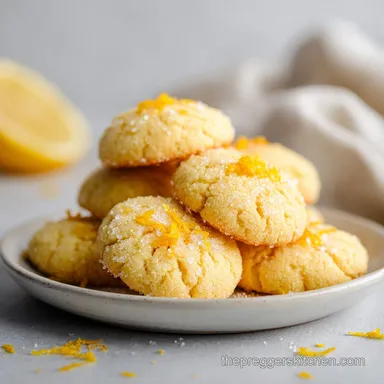
Lemon Cookies: Tangy and Crisp
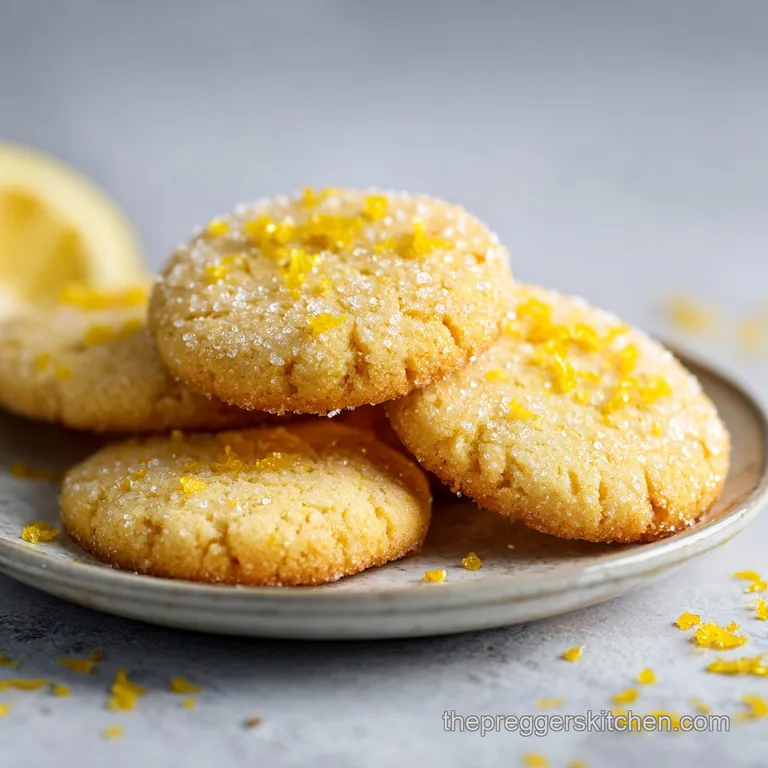
- Time:10 minutes active + 60 minutes chilling = Total 81 minutes
- Flavor/Texture Hook: Shatter crisp edges with a velvety, tangy glaze
- Perfect for: Spring tea parties, bright dessert cravings, or a simple weekend treat
The scent of fresh lemon zest hitting warm butter is honestly one of my favorite things in the world. It's that sharp, sunny aroma that immediately fills the kitchen and makes everything feel cleaner and brighter.
I remember the first time I tried making these for a family gathering, and I skipped the chilling step because I was in a rush. The result? A giant, sugary lemon pancake that tasted great but looked like a mistake.
That's when I realized that the magic of these Lemon Cookies is all about the contrast. You want that distinct line between the slightly crisp edge and the soft, chewy center, topped with a glaze that almost tastes like a liquid lemon drop.
It's a balance of rich, creamy butter and a sharp, citrusy bite that keeps you coming back for another one.
You can expect a cookie that feels light but satisfying. We aren't going for a heavy, cakey texture here, but rather something that melts in your mouth. By focusing on a few specific tricks with the citrus, we can make these taste like they came from a high end bakery without needing any fancy equipment.
How to Nail These Lemon Cookies
The secret to a punchy flavor isn't actually the juice, but the oils found in the peel. When you simply stir zest into a batter, the flavor stays muted. But when you rub the zest into the granulated sugar with your fingers, you're essentially performing a cold press extraction.
The sugar crystals act like tiny scrubbers, breaking the oil glands in the lemon skin and trapping that intense aroma directly into the sugar.
Beyond the flavor, the texture is where most people trip up. If your butter is too melty, the cookies will puddle. If your oven is too hot, the edges burn before the center sets. I've found that a steady 350°F (175°C) is the sweet spot for achieving that golden ring around the edge while keeping the middle tender.
The glaze is the final act. You want a glossy, translucent finish that sets firmly but doesn't crack. The trick is to let the cookies cool completely. If you drizzle that lemon icing onto a warm cookie, it'll just soak in, and you'll lose that beautiful, velvety layer on top.
What Makes the Flavor Pop: Rubbing zest into sugar releases essential oils, ensuring the citrus notes survive the high heat of the oven.
The Chill Factor: Cold dough prevents the butter from melting too quickly, which stops the cookies from spreading into flat discs.
Leavening Balance: Baking soda reacts with the lemon juice to create tiny air bubbles, giving the cookies a light, chewy lift.
Glaze Stability: Powdered sugar creates a structural matrix that holds the lemon juice in place, resulting in a smooth, opaque finish.
| Method | Time | Texture | Best For |
|---|---|---|---|
| Oven Bake | 11 mins | Crisp edges, chewy center | Classic batches |
| Air Fryer | 8 mins | More browned, denser | Small cravings |
| Stovetop (Rare) | 15 mins | Soft, pancake like | No oven homes |
The choice of flour is also critical. I always recommend weighing your flour if you can. According to King Arthur Baking, scooping flour directly with a cup can pack it down, leading to dry, crumbly cookies. Sifting or spooning it in ensures your treats stay soft.
The Ingredient Deep Dive
| Ingredient | Science Role | Pro Secret |
|---|---|---|
| Unsalted Butter | Fat/Tenderizer | Use 65°F butter for the best creamed volume |
| Granulated Sugar | Sweetness/Structure | Rubbing zest into it multiplies citrus flavor |
| Baking Soda | Leavening Agent | Reacts with lemon juice for a better lift |
| All Purpose Flour | Gluten Framework | Don't overmix or they become tough bread |
For the best results, ensure your butter is softened but not oily. If it's too soft, it won't hold air during the creaming process, which is what gives the cookies their lightness.
I usually leave mine on the counter for about 30-60 minutes, or I'll give it a very quick 5 second burst in the microwave if I'm impatient.
The Ingredient List
For the Dough
- 1/2 cup (115g) unsalted butter, softenedWhy this? Provides the rich, velvety base
- 1 cup (200g) granulated sugarWhy this? Creates the crisp edges
- 1 large egg (50g)Why this? Binds ingredients and adds chew
- 1 tbsp (15ml) lemon juiceWhy this? Adds brightness and activates soda
- 1 tbsp (6g) lemon zest, freshly gratedWhy this? The primary source of citrus aroma
- 1 tsp (5ml) vanilla extractWhy this? Rounds out the sharp lemon notes
- 2 cups (250g) all purpose flourWhy this? Standard structure for cookies
- 1/2 tsp (3g) baking sodaWhy this? Necessary for the rise
- 1/4 tsp (1.5g) saltWhy this? Enhances all other flavors
For the Zesty Glaze
- 1 cup (120g) powdered sugarWhy this? Creates a smooth, set icing
- 2 tbsp (30ml) fresh lemon juiceWhy this? Gives the glaze its tang
- 1 drop (0.5ml) lemon extractWhy this? Boosts the "lemon" punch
| Original Ingredient | Substitute | Why It Works |
|---|---|---|
| Unsalted Butter | Coconut Oil (solid) | Similar fat content. Note: Adds a subtle coconut taste |
| All Purpose Flour | Almond Flour | gluten-free. Note: Results in a denser, grainier crumb |
| Egg | Flax Egg (1 tbsp flax + 3 tbsp water) | Vegan binder. Note: Slightly nuttier flavor and softer texture |
| Lemon Juice | Lime Juice | Similar acidity. Note: Changes flavor profile to a lime cookie |
Depending on your preferences, you can adjust the acidity. If you love a really tart treat, add an extra teaspoon of lemon juice to the glaze. Just be careful not to add too much to the dough, or you'll mess with the hydration levels and end up with a cakey cookie.
Gear You Will Need
You don't need a professional kitchen to make these, but a few things make it easier. A hand mixer or a stand mixer such as KitchenAid is great for the creaming stage, but you can actually do this with a sturdy whisk and some elbow grease if you're feeling athletic.
I highly recommend using parchment paper or silicone mats. Lemon cookies have a high sugar content, and if they stick to the pan, you'll lose those beautiful round edges. Also, a wire cooling rack is non negotiable. If you leave them on the hot pan, they'll keep cooking from the bottom and might get too hard.
Step-by-step Baking Guide
Phase 1: Prepping the Citrus Base 1. Grate lemon zest directly into the granulated sugar and rub with fingertips until the sugar is fragrant and moist. Note: This is the most important flavor step!
Phase 2: Building the Dough 2. Cream the butter and lemon sugar together on medium speed until light and fluffy. 3. Beat in the egg, lemon juice, and vanilla extract until well combined. 4.
Gradually fold in the flour, baking soda, and salt until just combined, stopping as soon as flour streaks disappear. Note: Overmixing leads to tough cookies. 5. Chill the dough for 60 minutes in the fridge to ensure the cookies maintain their shape.
Phase 3: Baking to Perfection 6. Scoop 1.5 tbsp of dough, roll into balls, and roll each ball in granulated sugar. 7. Place balls 2 inches apart on parchment lined baking sheets and bake at 350°F (175°C) for 10-12 minutes until edges are barely golden.
8. Allow cookies to cool completely on a wire rack.
Phase 4: The Finishing Glaze 9. Whisk powdered sugar, lemon juice, and lemon extract until smooth and glossy, then drizzle over cooled cookies. 10. Allow the glaze to set for 15 minutes before serving.
Chef's Note: For a professional look, use a piping bag or a plastic bag with a small corner snipped off to drizzle the glaze in thin, zig zag lines.
Common Mistakes and Fixes
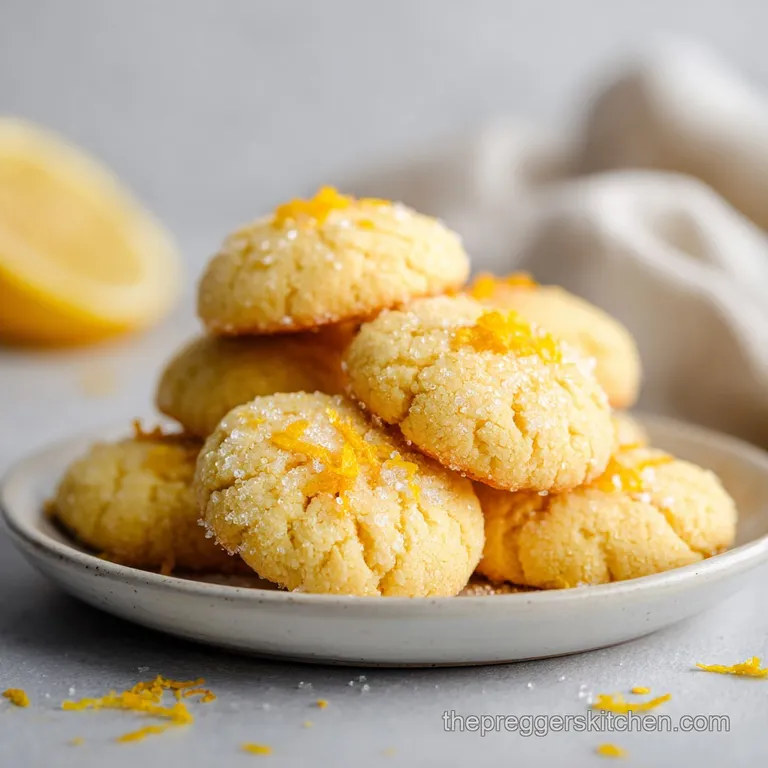
When I first started making these Lemon Cookies, I used to wonder why mine looked like flat pancakes. Usually, it comes down to the temperature of the butter or the amount of flour. If you're seeing too much spread, your butter might have been too warm, or you might have missed the chilling step.
Another common issue is the "soapy" taste. This happens when you grate too deep into the lemon peel and hit the white pith. The pith is incredibly bitter and can ruin the delicate balance of the cookie. Always stop grating when you see the white layer beneath the yellow skin.
Why My Cookies Spread Too Much
If your cookies are merging into one giant sheet, the fat has melted too quickly. This is often caused by warm dough or an oven that hasn't reached temperature yet.
| Problem | Root Cause | Solution |
|---|---|---|
| Flat Cookies | Butter too soft | Chill dough for another 30 mins |
| Over browning | Oven too hot | Use an oven thermometer to verify 350°F |
| Dry Texture | Too much flour | Measure by weight or spoon and level |
The Soap Taste
Bitter notes in the dough usually mean the lemon pith got into the mix. To avoid this, use a microplane and only take the bright yellow part of the skin.
Glaze is Too Runny
If the glaze is sliding off the cookie, you've added too much lemon juice. Simply whisk in more powdered sugar one tablespoon at a time until it reaches a thick, ribbon like consistency.
The "No Fail" Checklist:
- ✓ Zest was rubbed into sugar until damp.
- ✓ Butter was softened, not melted.
- ✓ Dough chilled for a full hour.
- ✓ Cookies cooled completely before glazing.
- ✓ Flour was leveled off, not packed.
Creative Ways to Mix It Up
If you want to change the vibe of these Lemon Cookies, there are plenty of ways to do it. For a bit of a crunch, try adding a tablespoon of poppyseeds to the dough. It gives the cookies a classic bakery look and a subtle nutty flavor that pairs beautifully with the citrus.
For those who love a more sophisticated twist, you can try an Italian lemon cookies recipe style by adding a touch of almond extract to the dough. The combination of almond and lemon is a timeless pair. If you're craving something even more indulgent, these cookies pair perfectly with my Sugar Cookie Truffles for a full blown dessert platter.
If you're looking for a healthier snack with similar flavors, you might like my Ginger Lemon Gummies, which are great for a quick zingy pick me-up.
Decision Shortcut:
- If you want more crunch → Add poppyseeds to the flour.
- If you want a floral note → Swap vanilla for almond extract.
- If you want a richer glaze → Add a teaspoon of melted butter to the icing.
Adjusting the Batch Size
Scaling these Lemon Cookies is pretty straightforward, but baking is a bit like a science experiment. If you're cutting the recipe in half, the trickiest part is the egg. Crack one egg into a bowl, whisk it, and then measure out half of it by weight or volume.
When doubling the recipe, don't just double everything blindly. I find that doubling the salt and baking soda can sometimes be too much. I usually go to 1.5x for the salt and soda, but keep the flour and butter at 2x. Also, work in batches!
Overcrowding your baking sheets will lead to uneven heat distribution and won't give you those crisp edges.
| Scale | Butter/Flour | Salt/Soda | Baking Tip |
|---|---|---|---|
| 1/2 Batch | 50% | 50% | Use a smaller baking sheet |
| 2x Batch | 100% | 75% | Bake in shifts; don't overcrowd |
If you decide to double the batch and bake them all at once on multiple racks, lower the oven temperature by about 25°F (to 325°F / 160°C) and extend the time by 2-3 minutes.
This ensures the cookies on the bottom rack don't burn before the top ones are done.
Kitchen Myths
One common myth is that adding more lemon juice to the dough makes the cookies more lemony. In reality, adding too much juice increases the liquid content, which makes the cookies spread more and gives them a cakey, bread like texture. Stick to the zest for the flavor and the juice for the chemistry.
Another misconception is that you must use a stand mixer for a smooth batter. While a mixer is convenient, you can achieve the same results with a hand mixer or even a whisk. The most important part is the process of creaming the butter and sugar, regardless of the tool you use.
Freshness and Waste Tips
To keep your Lemon Cookies fresh, store them in an airtight container at room temperature for up to 5 days. If you're keeping them longer, the fridge is fine, but they might get a bit hard. I prefer freezing them. Just put them in a freezer safe bag and they'll stay great for 2 months.
To eat them, just pop them in a 300°F oven for 3 minutes to wake up the butter.
For zero waste, don't throw away your lemon halves! After zesting and juicing, you can freeze the leftover peels in a bag to make homemade candied lemon peel later. Or, toss them into a pot of simmering water with a cinnamon stick to make your house smell like a spa.
What to Serve With These
Because these are so bright and zingy, they pair well with things that are creamy or slightly salty. A glass of cold milk is the classic choice, but a cup of Earl Grey tea is a match made in heaven. The bergamot in the tea complements the citrus in the cookies perfectly.
If you're hosting a party, serve these alongside some fresh berries or a bowl of whipped cream. For a savory contrast, they actually go surprisingly well with a cheese board featuring a mild goat cheese or a creamy brie. The tang of the cheese echoes the tang of the lemon, creating a really balanced flavor profile.
Recipe FAQs
What's the secret to a strong lemon flavor?
Rub the lemon zest into the granulated sugar. This process releases the essential oils from the zest, ensuring the citrus flavor is deeply infused into every bite.
How to prevent the cookies from spreading too much?
Chill the dough for 60 minutes. This firms up the butter, allowing the cookies to maintain their rounded shape instead of flattening during baking.
Is it true that I can skip the dough chilling step to save time?
No, this is a common misconception. Skipping the chill time results in cookies that spread excessively and lose their desired texture.
How to avoid a bitter or soapy taste in the cookies?
Grate only the yellow part of the lemon peel. Stop immediately when you reach the white pith, as that layer is incredibly bitter and ruins the flavor balance.
Can I use bottled lemon juice instead of fresh?
Freshly squeezed juice is highly recommended. Bottled versions lack the brightness of fresh fruit; if you enjoy using fresh citrus for vibrant flavors, see how we balance acidity in our non-alcoholic sangria.
How to store these cookies to keep them fresh?
Place them in an airtight container at room temperature. They will stay fresh for up to five days, provided the glaze is completely set before sealing.
How to achieve a glossy finish on the glaze?
Whisk powdered sugar, lemon juice, and lemon extract until completely smooth. Drizzle the mixture over cooled cookies to ensure the glaze sets with a professional, shiny appearance.
Homemade Lemon Cookies