Gestational Diabetes Lemon Herb Chicken
- Time: Active 15 minutes, Passive 20 minutes, Total 35 minutes
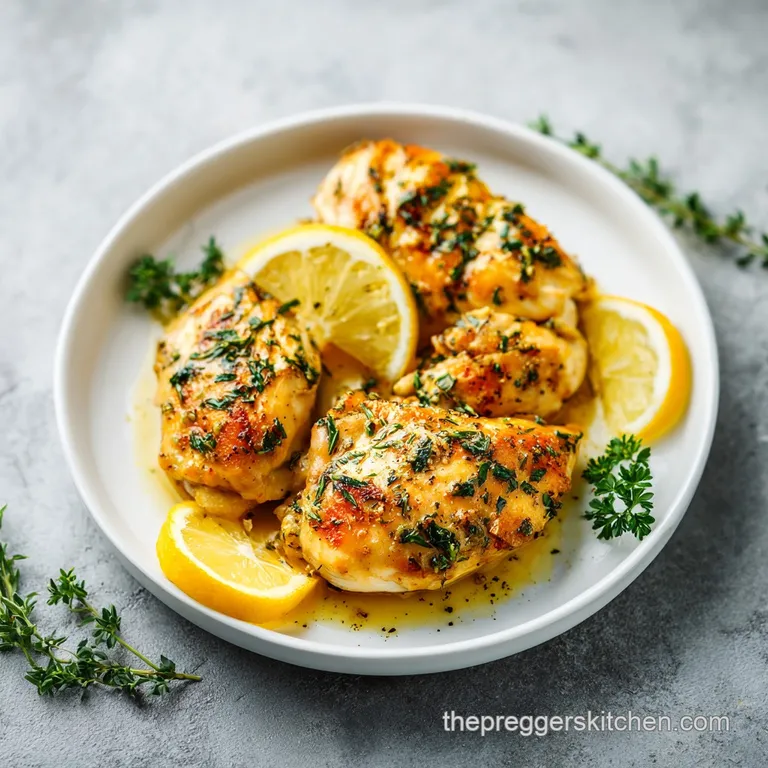
- Flavor/Texture Hook: Zesty, succulent chicken with a golden, herby crust
- Perfect for: Busy weeknight family dinners needing blood sugar stability
- A Vibrant Gestational Diabetes Dinner Recipe for Family with Lemon Herb Chicken
- The Science Behind Succulent Herb Crusted Chicken
- Precise Preparation Guidelines and Internal Metrics
- Component Analysis: Ingredient Deep Dive
- Selecting Nutrient Dense Components and Smart Substitutions
- Essential Tools for a Professional Skillet Sear
- Executing the Perfect Golden Sizzle Method
- Correcting Common Cooking Hurdles and Texture Issues
- Dynamic Flavor Adaptations for Picky Eaters
- Optimal Storage Strategies and Zero Waste Ideas
- Balancing the Plate for Stable Glucose Levels
- Recipe FAQs
- 📝 Recipe Card
A Vibrant Gestational Diabetes Dinner Recipe for Family with Lemon Herb Chicken
The kitchen currently smells like a Mediterranean summer, and honestly, it is the only thing keeping me sane today. There is something about the sharp, citrusy spray of a fresh lemon being zested that cuts right through the afternoon slump.
I remember the first time I made this after my diagnosis; I was so worried that "diet food" would mean bland, dry protein that the rest of the family would pick at with sad faces. But as soon as the rosemary hit the hot oil, the aroma was so intense that my toddler came running in asking what smelled so good.
This Gestational Diabetes Dinner Recipe for Family features a delicious and healthy Lemon Herb Chicken. It is a dish born out of the necessity to find a middle ground between "medical necessity" and "actually wanting to eat dinner." I have burned my fair share of garlic and over marinated chicken to the point of it turning mushy, but those mistakes led me here.
What we are making today is a foolproof, one pan wonder that respects your glucose monitor while satisfying everyone at the table.
We are aiming for a specific kind of magic here: a crust that offers a slight crunch, yielding to meat that is so tender it practically melts. By focusing on high-quality fats like avocado oil and an abundance of fresh herbs, we are building layers of flavor that do not rely on sugary glazes or heavy starches.
It is a straightforward approach that feels fancy but takes less than forty minutes from the fridge to the plate.
The Science Behind Succulent Herb Crusted Chicken
The Physics of the Poultry Sear: Heat triggers the Maillard reaction, where amino acids and reducing sugars reorganize to create hundreds of flavor compounds and a browned, savory exterior.
Using a high smoke point fat like avocado oil allows this reaction to occur at 375°F without the oil breaking down or smoking.
- Acidic Denaturation: The citric acid in the lemon juice gently uncoils the tightly wound protein strands in the chicken breast, allowing moisture to slip in before the heat sets the structure.
- Osmotic Balancing: Sea salt draws internal moisture to the surface to dissolve the aromatics, then re absorbs that seasoned brine deep into the muscle fibers for consistent flavor.
- Polyphenol Protection: Fresh rosemary contains rosmarinic acid, which acts as a powerful antioxidant that remains stable even under the high heat of a skillet sear.
- Glucose Buffering: The combination of 36.2g of protein and 11.4g of healthy fats creates a "gastric buffering" effect, slowing the rate at which any accompanying carbohydrates enter the bloodstream.
| Thickness | Internal Temp | Rest Time | Visual Cue |
|---|---|---|---|
| 0.5 inch | 165°F | 3 minutes | Juices run clear, no pink |
| 0.75 inch | 165°F | 5 minutes | Firm to the touch, opaque center |
| 1 inch | 165°F | 7 minutes | Golden brown exterior, matte white interior |
When you are monitoring your glucose, knowing exactly when the chicken is done prevents the temptation to overcook it "just in case," which usually leads to a woody, unpleasant texture that no amount of sauce can save.
Precise Preparation Guidelines and Internal Metrics
Managing a household while navigating gestational diabetes requires a bit of a "lab tech" mindset when it comes to timing and temperature. I used to just poke the meat and hope for the best, but that is a recipe for rubbery chicken.
Now, I rely on a digital thermometer and a timer to ensure the family gets the best version of this meal every single time.
Master the Meat Prep
The secret to even cooking is ensuring your 1.5 lb of chicken breast is of uniform thickness. If one side is an inch thick and the other is a half inch, you will end up with one side dry and the other raw. I like to use a heavy jar or a meat mallet to gently even them out.
This isn't about smashing the meat into a pancake; it is about creating a level surface for the heat to penetrate at a consistent rate.
Scaling for the Whole Crowd
If you are cooking for a larger family or want leftovers for tomorrow's salad, doubling this recipe is simple. For the spices and salt, I recommend only going to 1.5x the amount rather than a full 2x to avoid an over salted result. When scaling up, you must work in batches.
If you crowd the pan with too much meat, the temperature of the skillet will drop, and the chicken will steam in its own juices rather than searing. That "shatter" of a golden crust only happens when there is enough room for moisture to escape as steam.
Component Analysis: Ingredient Deep Dive
| Ingredient | Science Role | Pro Secret |
|---|---|---|
| Chicken Breast | Lean Protein Base | Pat it bone dry with paper towels before seasoning to ensure a crisp sear. |
| Avocado Oil | over High heat Medium | It stays stable at high temps, preventing the "burnt oil" bitter aftertaste in your herbs. |
| Fresh Rosemary | Aromatic Depth | Bruise the leaves with the back of your knife before chopping to release essential oils. |
| Lemon Zest | Flavor Concentration | Zest only the yellow part; the white pith underneath is incredibly bitter and ruins the sauce. |
Selecting the right ingredients is the difference between a "flat" tasting dish and one that feels vibrant. Freshness is your best friend when you are avoiding added sugars and processed thickeners.
Selecting Nutrient Dense Components and Smart Substitutions
I always reach for avocado oil because it has a neutral flavor and a high smoke point, which is essential for this specific sear. If you are out, light olive oil works, but stay away from extra virgin for the over high heat portion as it can go acrid.
For the chicken, boneless skinless breasts are the standard here, but the same marinade works beautifully on thighs if you prefer a juicier, higher fat option that is also very GD friendly.
Just like starting the day with my Gestational Diabetes Breakfast recipe, this dinner focuses on high-quality fats and proteins to keep you feeling full and your numbers steady.
| Original Ingredient | Substitute | Why It Works |
|---|---|---|
| 1.5 lb Chicken Breast | 1.5 lb Chicken Thighs | Thighs have more fat, staying succulent even if slightly overcooked. |
| Avocado Oil (2 tbsp) | Ghee (2 tbsp) | Ghee has a high smoke point and adds a rich, buttery note without burning. |
| Fresh Rosemary (1 tbsp) | Fresh Thyme (1 tbsp) | Thyme offers a softer, floral woodiness that pairs just as well with lemon. |
| Dried Oregano (1 tsp) | Dried Marjoram (1 tsp) | Marjoram is a close relative of oregano but is slightly sweeter and less pungent. |
Using fresh lemon juice (1/4 cup) is non negotiable for me. The bottled stuff often has preservatives that give it a "tinny" metallic taste. Plus, you need the zest (1 tablespoon) to get those bright citrus oils that make the kitchen smell like a dream.
Essential Tools for a Professional Skillet Sear
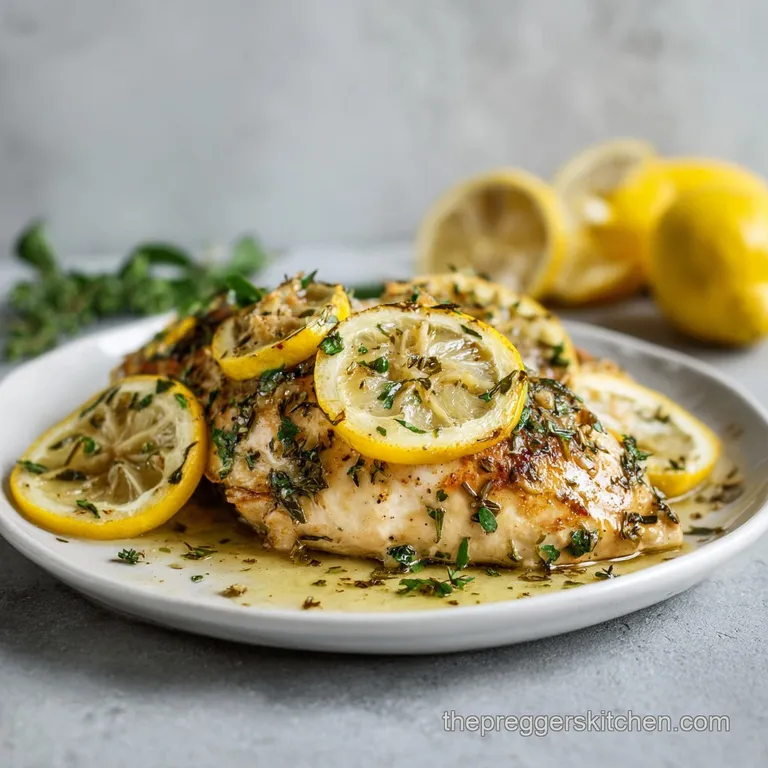
You don't need a kitchen full of gadgets, but a heavy bottomed skillet is a game changer. I prefer a 12 inch cast iron or a heavy stainless steel pan. These materials hold heat much better than thin aluminum, meaning when you drop that cold chicken into the pan, the temperature doesn't plummet.
A good pair of tongs is also vital; you want to be able to flip the meat without piercing the surface and letting those precious juices escape.
Chef's Tip: Put your empty skillet in the oven while it preheats to 400°F, then move it to the stove. This ensures the entire surface of the pan is evenly hot from the very first second the chicken touches it.
Finally,, please get a digital meat thermometer. It is the only way to be 100% sure you have hit that 165°F sweet spot. It takes the guesswork out of the process and ensures your family isn't eating dry, "cardboard" chicken.
Executing the Perfect Golden Sizzle Method
- Prep the poultry. Pat the 1.5 lb chicken breast dry with paper towels. Note: Surface moisture is the enemy of a golden sear; if it's wet, it will steam instead of browning.
- Whisk the marinade. In a small bowl, combine 1/4 cup lemon juice, 1 tablespoon zest, 4 cloves minced garlic, 1 teaspoon oregano, 1 tablespoon rosemary, 1/2 teaspoon salt, and 1/2 teaspoon pepper.
- Toss and coat. Place the chicken in a shallow dish and pour the herb mixture over it, turning to coat every inch.
- Heat the skillet. Add 2 tablespoons avocado oil to your pan over medium high heat until the oil shimmers and a drop of water flicked into it sizzles immediately.
- Begin the sear. Carefully lay the chicken into the pan, moving away from you to avoid splatters.
- Maintain the crust. Cook for 5-7 minutes without moving the meat until the edges turn opaque and a deep golden crust forms.Note: If the meat sticks, it isn't ready to flip yet.
- Flip and finish. Turn the chicken over and cook for another 5-8 minutes.
- Verify doneness. Insert your thermometer into the thickest part until it reads exactly 165°F.
- Rest the meat. Remove the chicken to a plate and let it sit for 5 minutes until the fibers relax and reabsorb the internal juices.
- Serve immediately. Slice against the grain for the most tender bite.
Correcting Common Cooking Hurdles and Texture Issues
One of the biggest frustrations I hear from friends is that their chicken either comes out "rubbery" or "burnt on the outside but raw in the middle." Both of these are usually heat management issues. If your heat is too high, the exterior sugars and proteins burn before the center can reach a safe temperature.
If it's too low, the chicken just simmers in its own liquid and becomes tough.
Why Your Chicken Feels Rubbery
The "rubbery" texture often happens when chicken is cooked too slowly at a low temperature, or if it was previously frozen and not thawed correctly. When ice crystals form inside the meat, they can damage the cell structure. Always thaw in the fridge overnight for the best texture.
If you are in a rush, use the cold water submersion method, never the microwave.
| Problem | Root Cause | Solution |
|---|---|---|
| Burnt Garlic | Added too early or heat too high | Mince garlic into larger bits or add it halfway through the sear. |
| Dry Meat | Overcooked past 165°F | Pull the chicken at 160°F; carryover cooking will bring it to 165°F while resting. |
| No Crust | Pan was not hot enough | Wait for the oil to shimmer and slightly wisps of smoke before adding meat. |
Common Mistakes Checklist
- ✓ Skipping the "dry off" step with paper towels (leads to grey, soggy meat).
- ✓ Flipping the chicken too many times (prevents the Maillard crust from developing).
- ✓ Cutting into the chicken immediately after cooking (all the juice will run out onto the board).
- ✓ Using "woody" rosemary stems (make sure to strip the leaves and chop them finely).
- ✓ Overcrowding the pan (work in two batches if your skillet is smaller than 12 inches).
Debunking Kitchen Myths
A common myth is that you need to marinate chicken for hours to get flavor. In reality, the acid in lemon juice will actually begin to "cook" the outside of the meat if left too long, resulting in a chalky texture. Thirty minutes is the sweet spot; anything over two hours is actually detrimental to the bird.
Another myth is that searing "seals in juices." It doesn't it's strictly for flavor and texture. The juices stay in because you let the meat rest!
Dynamic Flavor Adaptations for Picky Eaters
If your family isn't big on rosemary, you can easily pivot this recipe toward other flavor profiles while keeping the GD friendly foundation. Switching to a "Cilantro Lime" version is as simple as swapping the rosemary and oregano for fresh cilantro and the lemon for lime juice.
It completely changes the vibe of the meal without affecting your blood sugar management.
For kids who might find the lemon too "tangy," you can add a tiny splash of heavy cream to the pan at the very end to create a velvety, mild sauce that mellows out the acidity. It adds a bit of fat, which is perfectly fine for most gestational diabetes meal plans, and makes the dish feel a bit more indulgent for the non diabetics at the table.
If you are looking for a different preparation method for another night, my Chicken and Veggies recipe is a great alternative that uses the oven instead of the stovetop.
Optimal Storage Strategies and Zero Waste Ideas
This chicken holds up surprisingly well in the fridge, making it a star for meal prep. I usually make a double batch on Sunday. The flavors of the herbs actually deepen overnight, though you will lose that initial "shatter" of the crust.
- Fridge: Store in an airtight glass container for up to 4 days.
- Freezer: You can freeze the cooked chicken for up to 3 months. I recommend slicing it first so you can grab just what you need for a quick lunch.
- Zero Waste Tip: Don't throw away those lemon halves once you've squeezed them! Toss them into a pot of water with the rosemary stems and simmer on the stove for a natural, chemical free kitchen deodorizer.
- Reheating: To avoid the "microwave chicken" taste, reheat in a skillet over medium heat with a tablespoon of water or broth and a lid. This steams the meat back to life without drying it out.
Balancing the Plate for Stable Glucose Levels
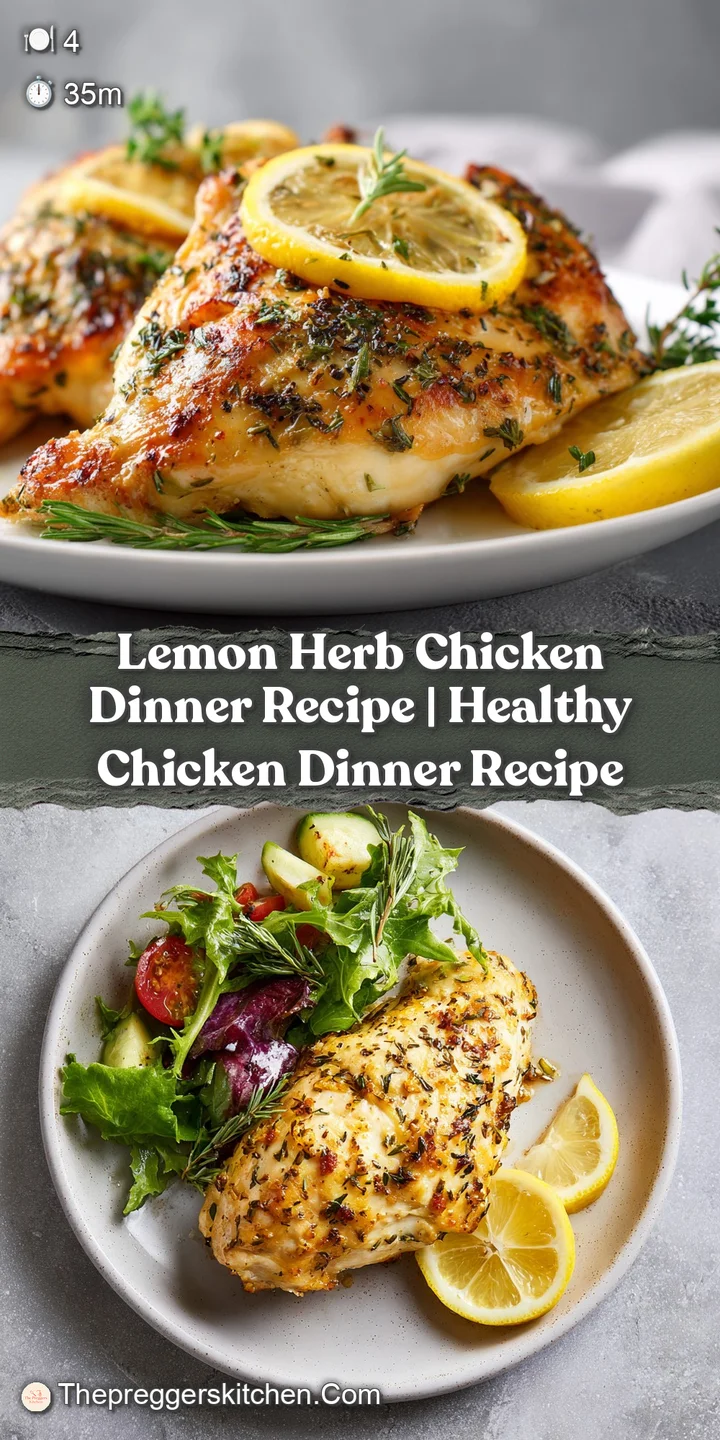
The real secret to this Gestational Diabetes Dinner Recipe for Family is how you build the rest of the plate. Since the chicken itself is nearly zero carb, you have room to add high fiber vegetables and a controlled portion of complex carbohydrates.
I love serving this over a bed of sautéed spinach or alongside roasted broccoli. The fiber in the greens further slows down the digestion of any starch you might include, like a small scoop of quinoa or half a roasted sweet potato.
When you are plating for the family, use the "Plate Method." Fill half the plate with non starchy vegetables, one quarter with this succulent lemon herb chicken, and the final quarter with a high fiber carb.
This visual guide makes it easy for everyone to eat the same meal without you having to pull out a calculator every time you sit down to dinner. It turns a "restricted" meal into a vibrant, shared experience that everyone actually looks forward to.
Recipe FAQs
What to have with lemon and herb chicken for dinner?
Focus on high fiber, non-starchy vegetables. A perfect GD plate includes half a plate of roasted broccoli or sautéed spinach, balancing the high protein of the chicken. You can add a small portion of complex carbohydrates like quinoa.
What's a good dinner for gestational diabetes?
Lean protein paired with healthy fats and high fiber vegetables is ideal. Meals like this Lemon Herb Chicken are excellent because they are low in rapidly digestible carbs and utilize fats to promote satiety and slow absorption.
What to eat with chicken gestational diabetes?
Load up on non-starchy sides like asparagus, green beans, or a large side salad with olive oil dressing. These sides add volume and nutrients without significantly impacting blood sugar. If you are craving something sweet afterward, try our GD Dessert Recipe.
Is lemon and herb chicken healthy?
Yes, this preparation is very healthy, especially for GD management. It relies on fresh herbs and natural citrus acidity rather than sugary marinades or heavy sauces, offering high protein with stable fat sources.
How long should I marinate chicken before baking for GD?
Marinate for 30 minutes for optimal flavor and texture; do not exceed 2 hours. Leaving the lemon acid on too long begins to break down the protein structure, leading to a dry or chalky finished product.
How to ensure the chicken breast is tender and not dry after cooking?
Use a digital thermometer to pull the chicken exactly when it hits 160°F. The key is allowing 5 minutes of carryover cooking off the heat, which will bring it safely to 165°F without overshooting the temperature.
Can I substitute the avocado oil in this recipe?
Yes, you can substitute ghee or light olive oil, but be mindful of the heat level. If you enjoyed mastering the technique of high heat searing here, see how the same principle of fat stability is applied when making our Avocado Brownies in recipe.
Lemon Herb Chicken For Gd
Ingredients:
Instructions:
Nutrition Facts:
| Calories | 258 kcal |
|---|---|
| Protein | 36.2 g |
| Fat | 11.4 g |
| Carbs | 2.1 g |
| Fiber | 0.4 g |
| Sugar | 0.6 g |
| Sodium | 342 mg |
