Non-Alcoholic Mimosa: Crisp Citrus Toast
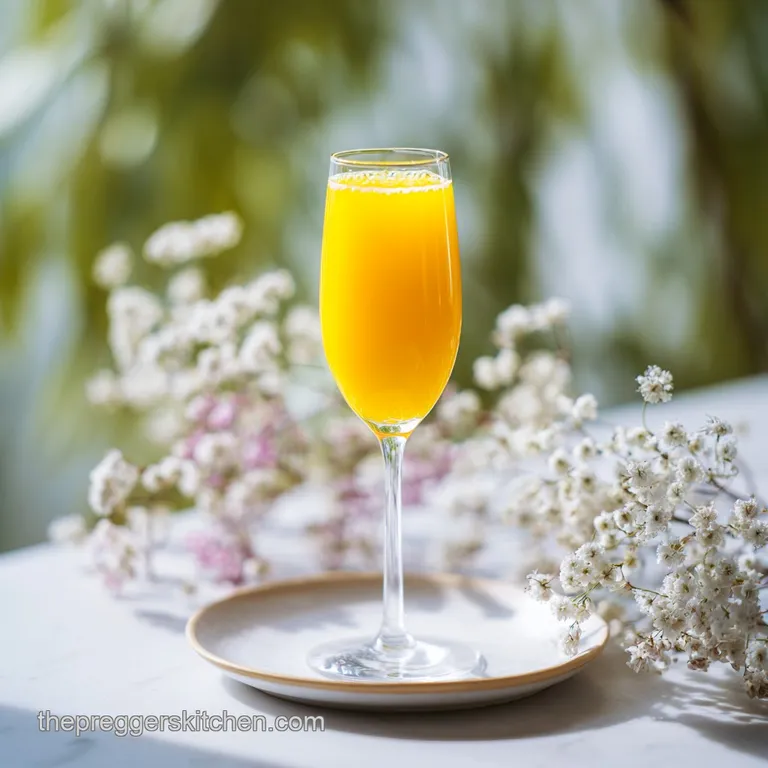
- Time: Active 5 minutes, Passive 0 minutes, Total 5 minutes
- Flavor/Texture Hook: Shatteringly crisp bubbles with a bright, tangy citrus finish.
- Perfect for: Festive baby showers, inclusive holiday brunches, or a refreshing weekend morning.
- Crafting the Perfect Bubbly Non Alcoholic Mimosa for Brunch
- Vital Time and Yield Specs for Every Glass
- The Chemistry of Carbonation and Balanced Citrus Flavors
- Essential Barware for a Professional Mocktail Experience
- Step-by-Step Guide to Building Your Refreshing Toast
- Preventing Flat Bubbles and Overly Sweet Flavor Profiles
- Creative Substitutions for Your Ideal Mimosa Experience
- Smart Storage and Efficient Batch Prep Techniques
- Styling and Serving Tips for a Gorgeous Presentation
- Recipe FAQs
- 📝 Recipe Card
Crafting the Perfect Bubbly Non Alcoholic Mimosa for Brunch
There is nothing quite like the crisp snap of bubbles hitting the back of your throat on a sunny Sunday morning. I remember hosting my first big family brunch years ago; I had the fancy glasses and the sourdough chilling, but I totally neglected the drinks for those skipping the spirits.
I just tossed some cheap orange juice and club soda together, and honestly, it was a syrupy, flat mess. It lacked that "special occasion" zing that makes a mimosa feel like a celebration rather than just breakfast juice.
After a few rounds of trial and error (and many flat bottles of juice later), I realized the secret isn't just about the bubbles it is about the balance of acidity and the temperature of your glass.
This non alcoholic mimosa for brunch is my absolute favorite because it mimics the dry, sophisticated mouthfeel of a classic champagne version without the heavy sugar crash. We’ve all been at parties where the mocktail feels like an afterthought, but this recipe makes everyone feel included in the toast.
You're going to love how the dry sparkling white grape juice interacts with the fresh citrus oils. It is light, incredibly refreshing, and has just enough complexity from the bitters to keep you coming back for another sip.
Whether you are prepping a simple non alcoholic mimosa for yourself or setting up a full spread, this method ensures every glass stays carbonated and bright until the very last drop.
Vital Time and Yield Specs for Every Glass
Getting the timing right is the difference between a lively drink and a sad, still one. Since this is a built in-glass recipe, we focus on prep speed to keep the fizz active.
| Servings | Ingredient Adjustments | Glassware Choice | Assembly Time |
|---|---|---|---|
| 1 Person | 3 oz juice, 3 oz sparkling | Champagne Flute | 2 minutes |
| 4 People | 12 oz juice, 12 oz sparkling | 4 Flutes | 5 minutes |
| 8 People | 24 oz juice, 24 oz sparkling | 8 Flutes | 8 minutes |
Setting up your station before the first guest arrives is essential. While the assembly is fast, the prep of your citrus and the chilling of your liquids are the heavy lifters here.
The Chemistry of Carbonation and Balanced Citrus Flavors
Nucleation Control: Rough surfaces or dust inside a glass cause CO2 to escape rapidly, so using polished, crystal clear glassware keeps the bubbles trapped in the liquid longer.
The Tonic Effect: A tiny pinch of sea salt suppresses the perception of bitterness in the orange juice while making the sparkling grape notes feel more vivid and crisp.
Temperature Versus Brand
You can buy the most expensive sparkling juice on the shelf, but if it is room temperature, the CO2 will escape the second it hits the orange juice. Cold liquids hold onto gas much more efficiently than warm ones.
Always aim for your ingredients to be as close to 4°C (39°F) as possible before they ever touch the glass.
Fresh Squeezed Juice Chemistry
store-bought juice is often pasteurized, which rounds off the bright acidic peaks and leaves you with a flat, sweet flavor. Freshly squeezed juice contains volatile aromatic oils from the peel that "pop" when they hit the carbonation.
This interaction creates that signature aroma that signals a high-quality mimosa for brunch.
| Component | Science Role | Pro Secret |
|---|---|---|
| Sparkling Grape Juice | Carbonation Source | Use "Dry" or "Extra Dry" versions to avoid a sugary, cloying finish. |
| Fresh Orange Juice | Acid & Structure | Strain through a fine mesh sieve to prevent pulp from clogging the bubble flow. |
| Sea Salt | Flavor Enhancer | A literal pinch balances the natural sugars and brightens the citrus. |
| Orange Bitters | Complexity | Alcohol free bitters add "bark" and spice notes that mimic fermented wine. |
Essential Barware for a Professional Mocktail Experience
You don't need a full commercial bar to make a killer mocktail mimosa recipe, but a few specific tools make the process seamless. I once tried to make these using a plastic whisk to mix them don't do that. It just knocks all the air out.
- Fine Mesh Sieve: Necessary for removing every bit of pulp from your 3 oz freshly squeezed orange juice.
- Champagne Flutes: The narrow neck limits the surface area, which keeps your drink from going flat.
- Long Bar Spoon: For a single, gentle vertical fold to integrate the juices.
- Citrus Press: Hand squeezing is fine, but a press gets those aromatic oils out of the skin.
- Jigger: Accuracy matters when you're balancing 3 oz of juice with 3 oz of sparkling.
step-by-step Guide to Building Your Refreshing Toast
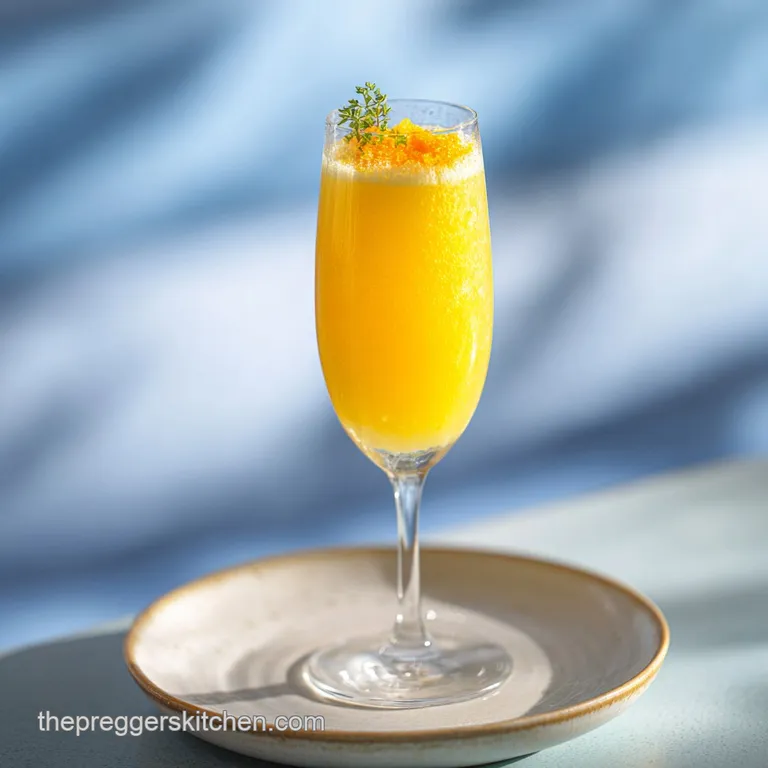
Follow these steps exactly to ensure your drink is as effervescent as possible. This isn't just about dumping liquids together; it's about the order of operations.
- Chill the glass. Place your flute in the freezer for 10 minutes until a thin layer of frost forms. Note: This prevents the liquid from warming up on contact.
- Squeeze the citrus. Extract 3 oz freshly squeezed orange juice from ripe oranges.
- Strain the liquid. Pass the juice through a sieve until no pulp remains.
- Add the enhancers. Stir the dash of alcohol free orange bitters and pinch of sea salt into the orange juice.
- Pour the base. Gently add the seasoned orange juice into the bottom of the chilled flute.
- Tilt the glass. Hold the flute at a 45 degree angle to minimize the "head" of foam.
- Add the sparkle. Slowly pour 3 oz dry sparkling white grape juice down the side of the glass until the bubbles reach the rim. Note: Pouring against the glass wall preserves the carbonation.
- The gentle fold. Use a bar spoon to reach the bottom and pull upward exactly once.
- Garnish and serve. Slide 1 thin wheel blood orange onto the rim until it sits securely.
Preventing Flat Bubbles and Overly Sweet Flavor Profiles
The most common heartbreak with an easy non alcoholic mimosa recipe is a drink that tastes like lukewarm soda. Usually, this happens because the sparkling base was opened too early or the juice to sparkling ratio was off.
Solving Rapid Carbonation Loss
If your bubbles disappear before the first toast, check your pouring speed. If you pour too fast, the liquid becomes turbulent, forcing the gas out of the solution. Slow and steady wins the race here.
Also, make sure your juice is cold; mixing room temp juice with cold sparkling liquid causes a "thermal shock" that releases gas.
Avoiding Syrupy Soda Flavors
If the drink feels too heavy, it's likely the sparkling white grape juice is a "sweet" variety. Look for labels that say "non alcoholic sparkling wine" or "dry" to ensure you get that acidic bite.
| Problem | Root Cause | Solution |
|---|---|---|
| Too Sweet | High sugar sparkling base | Add a squeeze of fresh lemon or extra bitters. |
| No Bubbles | Warm ingredients | Chill juice and glass for at least 1 hour. |
| Metallic Aftertaste | Canned juice used | Always use freshly squeezed, strained fruit. |
Common Mistakes Checklist
- ✓ Never use "from concentrate" juice if you want a bright flavor profile.
- ✓ Don't stir the drink like a chocolate milk; one gentle lift is all it takes.
- ✓ Avoid large, chunky garnishes that take up too much room in the glass.
- ✓ Don't open the sparkling juice until the very moment you are ready to pour.
- ✓ Skip the ice cubes; they melt and dilute the delicate carbonation.
Creative Substitutions for Your Ideal Mimosa Experience
While the classic orange and grape combo is the gold standard, you can swap things out depending on what’s in your pantry or the season.
| Original Ingredient | Substitute | Why It Works |
|---|---|---|
| Sparkling Grape Juice | Ginger Ale | Adds a spicy kick. Note: Sweeter than grape juice, so reduce OJ slightly. |
| Orange Juice | Blood Orange Juice | Provides a deeper, berry like tartness and stunning pink hue. |
| Orange Bitters | Grapefruit Zest | Adds essential oils and a pleasant bitter edge without extra liquid. |
If you want a Non Alcoholic Mimosa with Ginger Ale, swap the grape juice 1:1 but increase the orange juice acidity with a teaspoon of lime juice to cut through the ginger sugar.
For a Sunrise Mimosa, add a teaspoon of grenadine at the very end it will sink to the bottom and create a gorgeous gradient. If you are looking for Low Carb Adaptations, use a sugar-free sparkling water infused with orange essence and a splash of sugar-free orange syrup.
Smart Storage and Efficient Batch Prep Techniques
Since carbonation is the star, you cannot "pre mix" the whole drink in a pitcher. If you do, you'll end up with orange flavored water within twenty minutes. However, you can definitely prep the components to make serving a breeze.
Store your freshly squeezed and strained orange juice in a sealed glass jar in the fridge for up to 24 hours. Any longer and the Vitamin C starts to oxidize, which dulls the color and flavor.
For the garnishes, slice your blood orange wheels and keep them between damp paper towels in a container so they don't dry out.
Zero Waste Tip: Don't throw away those orange peels! Toss them in a bag with some sugar to make an "oleo saccharum" for future mocktails, or use them to garnish your water carafes.
The leftover sparkling grape juice (if there is any!) can be frozen in ice cube trays and added to sparkling water the next day for a light treat.
Styling and Serving Tips for a Gorgeous Presentation
To really make this non alcoholic brunch drink stand out, focus on the visuals. A thin blood orange wheel provides a dramatic contrast against the pale gold liquid. I like to cut a small slit in the wheel and twist it slightly before perched it on the rim it looks like something from a high end hotel bar.
Chef Tip: For an extra festive touch, dip the rim of your chilled flute in a little orange juice and then into a mix of sugar and finely grated orange zest. It creates a "shimmer" that catches the light beautifully and adds a tactile element to every sip.
If you are setting up a non alcoholic mimosa bar, place the chilled juice in small carafes nestled in a bowl of crushed ice. This keeps the temperature consistent without diluting the juice itself.
Pair these drinks with salty, savory brunch items like smoked salmon tartines or a herby goat cheese frittata. The acidity of the mimosa cuts through the richness of the fats, cleansing your palate for the next bite.
Enhancing Visual Appeal
Consider adding a sprig of fresh rosemary or thyme. The herbal aroma hits your nose before the liquid hits your tongue, adding another layer of sensory experience. This makes the drink feel much more complex than a standard two ingredient pour.
Ideal Brunch Food Pairings
Because this drink has a bright, acidic profile, it pairs wonderfully with: Eggs Benedict with hollandaise sauce. Thick cut brioche French toast with maple syrup. Savory crepes with ham and Gruyère.
By focusing on these small details the temperature, the pour, and the pinch of salt you’ve turned a simple juice blend into a truly celebratory non alcoholic mimosa that everyone will be asking for the recipe for. Cheers!
Recipe FAQs
What goes in a non-alcoholic mimosa?
Sparkling white grape juice, freshly squeezed orange juice, alcohol free orange bitters, and a tiny pinch of sea salt. The salt is crucial as it balances the sweetness and highlights the citrus notes, mimicking complexity.
What to use instead of champagne for mimosas non-alcoholic?
Use dry sparkling white grape juice or sparkling white cranberry juice. These provide the necessary acidity and crisp carbonation to avoid a flat or overly sweet flavor profile common with non-alcoholic wine substitutes.
Is mimosa good for brunch?
Yes, non-alcoholic mimosas are excellent for brunch. Their bright acidity cuts perfectly through rich, savory brunch foods like eggs benedict or hollandaise sauces, refreshing the palate.
What is the best non-alcoholic champagne for mimosas?
The best choice is typically labeled "Dry" or "Extra Dry" sparkling white grape juice. Avoid products labeled merely "sparkling juice," as these are often too high in sugar, resulting in a cloying, flat taste when mixed.
How to prevent the non-alcoholic mimosa from going flat quickly?
Chill all ingredients thoroughly and pour slowly down the tilted glass wall. Warmer juice forces the CO2 out of solution instantly, so cold temperature control is essential for maximizing bubble life.
Can I make the non-alcoholic mimosa base ahead of time?
Yes, but only the citrus components should be made in advance. Strain and chill your fresh orange juice for up to 24 hours, but keep the sparkling juice sealed and refrigerated until the moment of assembly to preserve carbonation.
Is it true that I must use freshly squeezed juice for the best flavor?
Yes, fresh juice significantly improves complexity and aroma. store-bought juice often lacks the volatile aromatic oils found in fresh peels, resulting in a less vibrant, duller taste compared to using freshly extracted citrus.
Non Alcoholic Mimosa Recipe
Ingredients:
Instructions:
Nutrition Facts:
| Calories | 96 kcal |
|---|---|
| Protein | 0.7 g |
| Fat | 0.2 g |
| Carbs | 23.4 g |
| Fiber | 0.2 g |
| Sugar | 20.6 g |
| Sodium | 155 mg |
