Restorative Postpartum Meal Prep Stew
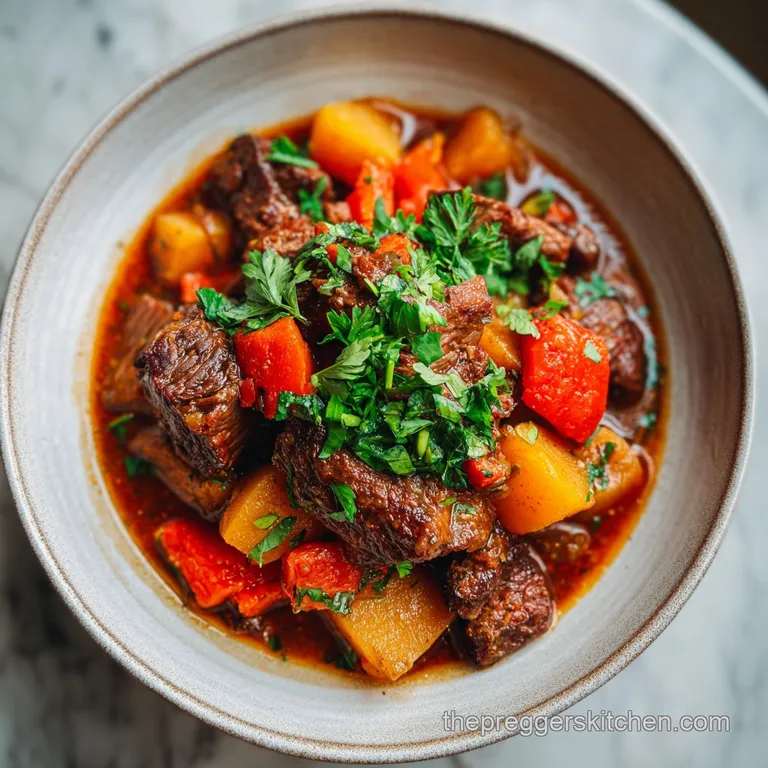
- Time: Active 45 minutes, Passive 4 hours, Total 4 hours 45 mins
- Flavor/Texture Hook: Savory, velvety, and deeply aromatic
- Perfect for: Third trimester batch cooking and postpartum recovery
- The Physics of Nutrient Density and Bioavailability
- Molecular Component Analysis of Healing Stew Ingredients
- Assembling the Foundational Elements for Your Freezer Stash
- Essential Lab Gear for High Volume Batch Cooking
- Systematic Execution of the Long Braising Process
- Correcting Common Textural Errors During the Simmer
- Decision Shortcut for Batch Success
- Adapting the Macro Profile for Specific Dietary Needs
- Preserving Nutrients Through Cryogenic Storage and Reheating
- Synergistic Side Dishes for a Complete Recovery Meal
- Postpartum Meal Prep FAQs
- 📝 Recipe Card
The Physics of Nutrient Density and Bioavailability
The Mechanics of Collagen Transformation: Slow simmering beef chuck at low temperatures breaks down tough connective tissue into silky gelatin, which provides a velvety mouthfeel and gut healing amino acids.
This thermal breakdown happens most efficiently when the liquid is kept at a gentle tremble rather than a hard boil, preventing the protein fibers from tightening and becoming rubbery.
Anti Inflammatory Synergy: Combining 15 g ground turmeric with 45 ml avocado oil and heat increases the bioavailability of curcumin, the active healing compound. The fat acts as a carrier, while the prolonged simmering allows the spices to permeate the 800 g of sweet potatoes, creating a nutrient dense base that supports physical recovery.
Chef’s Tip: Freeze your 50 g of fresh ginger for 20 minutes before grating; it turns into a fine snow that melts into the broth instantly without leaving stringy bits.
Comparing Braising Methods for Efficiency
| Method | Time | Texture | Best For |
|---|---|---|---|
| Dutch Oven (Classic) | 4 hours | Silky, deep flavor | Maximum nutrient extraction |
| Pressure Cooker (Fast) | 55 mins | Tender but less depth | Last minute prep before baby |
| Slow Cooker | 8 hours | Very soft, unified flavor | Set it and forget it days |
Using a heavy bottomed pot like a Dutch oven allows for better evaporation control, which is why the classic method results in a more concentrated, savory broth compared to pressurized versions.
Molecular Component Analysis of Healing Stew Ingredients
| Ingredient | Science Role | Pro Secret |
|---|---|---|
| Beef Chuck (2.25 kg) | Provides heme iron and zinc | Sear in small batches to ensure a dark, savory crust |
| Bone Broth (1.5 L) | Supplies glycine and proline | Use low sodium versions to control final mineral balance |
| Turmeric (15 g) | Modulates inflammatory response | Always pair with black pepper to boost absorption |
| Apple Cider Vinegar | Breaks down muscle fibers | Adds a bright "zip" that balances heavy fats |
Choosing high-quality fats for your postpartum meal prep recipes is vital for hormone regulation. If you're looking for other ways to support your body, my Baked Oatmeal Cups recipe is another great addition to your freezer stash.
Assembling the Foundational Elements for Your Freezer Stash
To get the most out of this postpartum meal prep before baby, you need to be precise with your elements. We aren't just making dinner; we are building a medicinal pantry.
- 2.25 kg grass fed beef chuck roast: Cut into 1.5 inch cubes. Why this? Higher omega-3 content than grain fed beef for brain health.
- Sub: Lamb shoulder (same quantity).
- 45 ml avocado oil or ghee: Used for over high heat searing.
- Sub: Coconut oil (adds a tropical note).
- 700 g carrots & 800 g sweet potatoes: The carbohydrate energy source.
- Sub: Butternut squash or pumpkin.
- 50 g fresh ginger & 6 cloves garlic: The aromatic healing base.
- Sub: 1 tbsp ground ginger (though fresh is significantly better).
- 1.5 L beef bone broth: The liquid gold foundation.
- Sub: Chicken bone broth for a lighter flavor.
- 500 g frozen chopped spinach: Added at the very end for folate.
- Sub: Kale or Swiss chard (requires 10 mins more cook time).
Essential Lab Gear for High Volume Batch Cooking
When you are tackling easy postpartum freezer meals, equipment choice determines your fatigue level. A 7 quart or larger Dutch oven is non negotiable for this volume of beef and vegetables.
It retains heat evenly, ensuring the 1.5 inch cubes of beef cook at a consistent rate without hot spots that might scorch the delicate turmeric.
A microplane or fine grater is your best friend for the 50 g of ginger. Don't bother peeling it with a knife; use the edge of a teaspoon to scrape the skin off it’s faster and wastes less of the root.
You’ll also want a sturdy set of freezer safe glass containers or silicone bags (like Stasher) to portion out the 10 servings once they've cooled.
Systematic Execution of the Long Braising Process
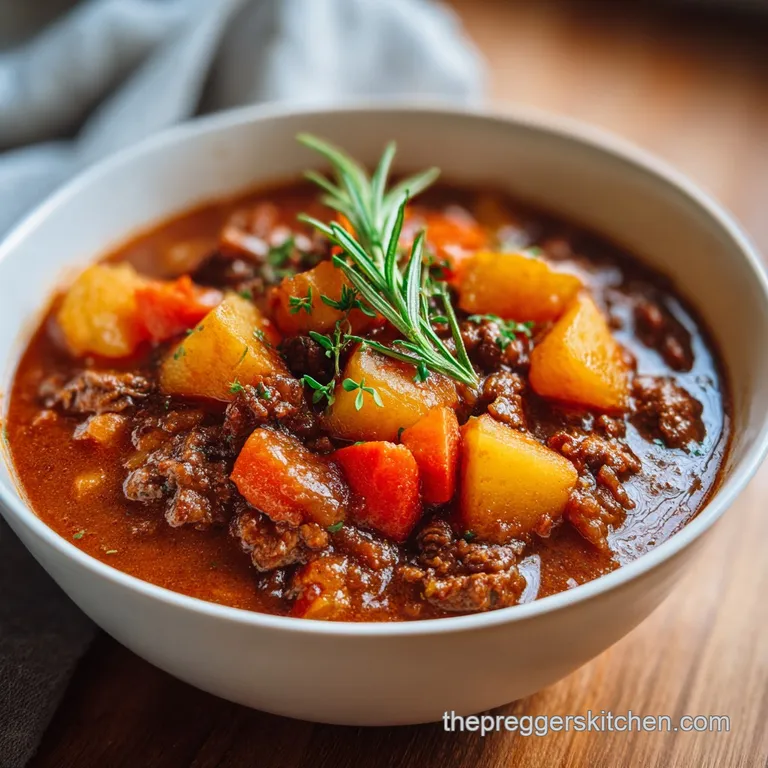
- Dry the beef. Pat the 2.25 kg of cubed beef with paper towels until bone dry. Note: Moisture on the surface creates steam, which prevents that savory brown crust from forming.
- Sear the protein. Heat 45 ml avocado oil in your pot until it begins to shimmer. Brown the beef in three separate batches until a dark, flaky crust forms on all sides.
- Sauté the aromatics. Remove beef and add the 2 diced onions to the fat. Cook 8 minutes until translucent and soft.
- Activate the spices. Stir in the 6 minced garlic cloves, 50 g grated ginger, and 15 g turmeric. Toast for 2 minutes until the kitchen smells like a spice market.
- Deglaze the pot. Pour in 30 ml apple cider vinegar, scraping the bottom with a wooden spoon to release the brown bits.
- Begin the braise. Return the beef to the pot and pour in 1.5 L bone broth. Add the tied thyme bundle.
- Simmer low and slow. Cover and reduce heat to the lowest setting. Simmer for 3 hours 15 mins until the beef yields easily to a fork.
- Integrate the roots. Add the 700 g carrots and 800 g cubed sweet potatoes. Simmer for another 45 minutes until the vegetables are tender but not mushy.
- Finish with greens. Stir in the 500 g frozen spinach. It will wilt into the hot stew in about 2 minutes.
- Season and cool. Remove the thyme. Taste and add the 10 g sea salt and 5 g pepper as needed.
Correcting Common Textural Errors During the Simmer
Why Your Stew Liquid Is Thin
If your broth looks watery after 4 hours, it’s likely because the lid was too tight, preventing evaporation. To fix this, remove the lid during the final 45 minutes of cooking while the vegetables soften.
The liquid will reduce and concentrate into a velvety sauce that coats the back of a spoon.
Why Your Beef Feels Stringy
This usually happens if the heat was too high. High heat causes muscle fibers to contract and squeeze out moisture. If the stew reached a rolling boil, the beef might feel dry even though it's submerged in liquid.
| Problem | Root Cause | Solution |
|---|---|---|
| Bitter Aftertaste | Burnt garlic or turmeric | Add a splash more bone broth and 1 tsp honey |
| Crunchy Carrots | Under cooking at the end | Simmer for an extra 15 mins before adding spinach |
| Greasy Surface | High fat content in beef | Chill overnight and skim the hardened fat off |
Common Mistakes Checklist
- ✓ Never crowd the pan when searing; the meat will boil in its own juices instead of browning.
- ✓ Don't skip the apple cider vinegar; the acidity is required to balance the richness of the bone broth.
- ✓ Avoid cutting the sweet potatoes too small or they will vanish into the sauce.
- ✓ Keep the simmer at a "lazy bubble" to ensure the meat stays succulent.
- ✓ Let the stew cool completely before sealing for the freezer to prevent ice crystal formation.
Decision Shortcut for Batch Success
- If you want a thicker, gravy like sauce, mash two of the cooked sweet potato cubes back into the broth.
- If you want a spicier kick, add 1/2 tsp of cayenne pepper during the aromatic sauté stage.
- If you want to save time on prep, buy pre peeled garlic and pre cut frozen carrots.
Adapting the Macro Profile for Specific Dietary Needs
Healthy postpartum meal prep is all about customization. If you are leaning toward a postpartum vegetarian meal prep approach, you can swap the beef for 4 cans of chickpeas and use a rich vegetable bouillon. The turmeric and ginger still provide that essential warming sensation. For a different plant based take, you might enjoy this High Protein Vegetarian recipe which is fantastic for lunch.
For those focusing on freezer meals for postpartum and breastfeeding, you can add 50 g of brewer's yeast or flaxseed meal into the stew during the simmering stage. These galactagogues won't alter the flavor significantly but can support milk supply.
Honestly, don't even bother with low-fat versions of these ingredients your brain and your baby both need those healthy fats for recovery and development.
Preserving Nutrients Through Cryogenic Storage and Reheating
Proper storage is the difference between a "fresh" tasting meal and something that tastes like the back of a freezer. For this postpartum meal prep before baby, I recommend freezing in 2 serving portions. This way, you don't have to defrost a giant block of stew if only you are eating.
- Fridge: Store in airtight containers for up to 4 days. The flavors actually improve on day two as the spices meld.
- Freezer: Safe for up to 3 months. Use heavy duty bags and squeeze out every bit of air to prevent freezer burn.
- Reheating: Thaw overnight in the fridge. Heat in a small saucepan over medium heat with a splash of water or broth to loosen the sauce. Avoid the microwave if possible, as it can make the beef rubbery.
- Zero Waste: Save your onion skins and carrot peels in a bag in the freezer. Once you have enough, simmer them with water to make a "scrap broth" for your next batch of postpartum meal prep breastfeeding recipes.
Synergistic Side Dishes for a Complete Recovery Meal
While this stew is a complete meal on its own, sometimes you want a little variety. A side of crusty sourdough bread is the best tool for mopping up every last drop of that turmeric gold broth. The fermentation in sourdough also makes it easier on your postpartum digestive system.
If you are looking for a grain based pairing, serve a ladle of this over a bed of fluffy quinoa or brown rice. This adds an extra hit of magnesium and fiber. For another sweet treat to keep in your freezer alongside the stew, check out this Magnesium Rich Dark recipe — it’s the perfect one handed snack for when you're nursing.
Braising Logic Debunked
One common myth is that you must use expensive cuts of meat for a "good" stew. In reality, expensive steaks like ribeye would turn into tough leather in a 4 hour braise. The "cheap" cuts like chuck roast are actually superior because their high connective tissue content provides the gelatin necessary for a silky, rich sauce.
Another myth is that alcohol is necessary for deglazing; while wine is traditional, apple cider vinegar provides the necessary acidity for mineral extraction and flavor balance without the alcohol content.
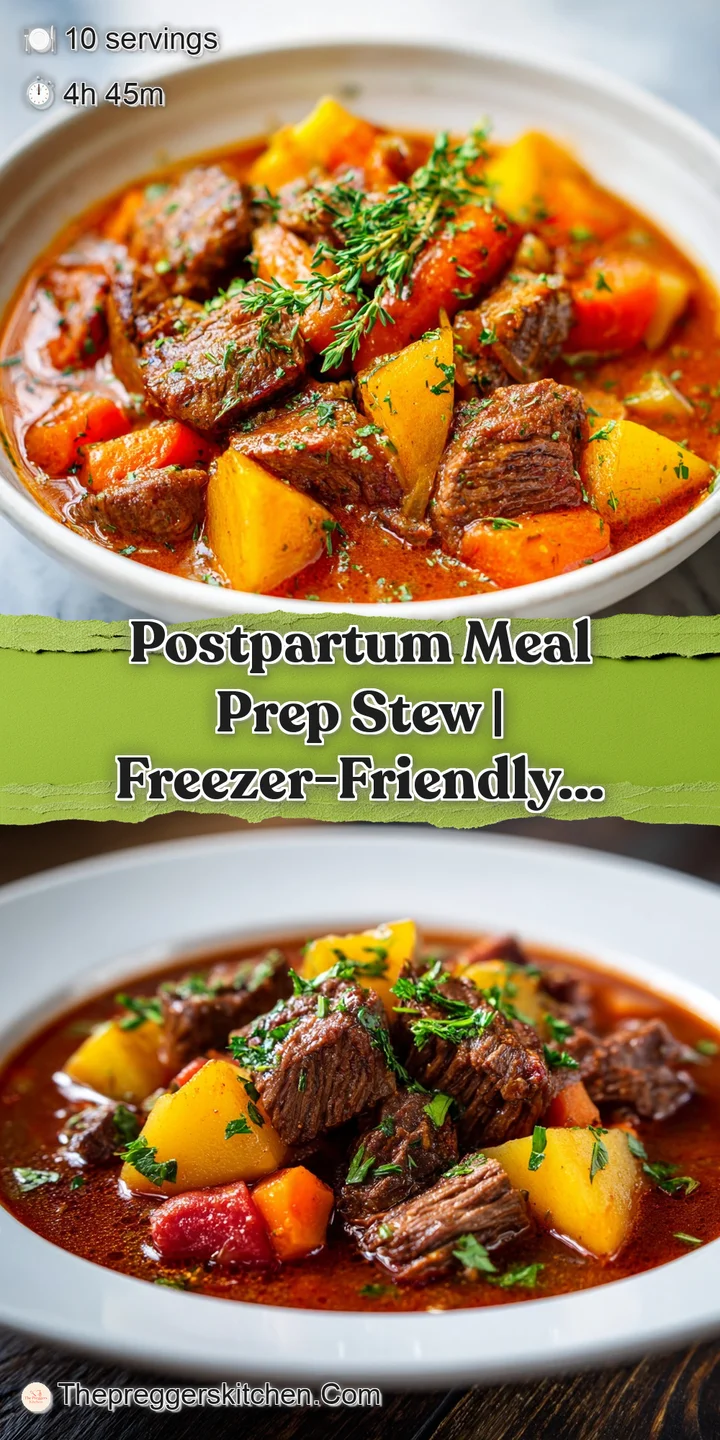
Postpartum Meal Prep FAQs
Should I cook this stew on high heat for speed?
No, use a low, gentle simmer. Hard boiling protein fibers causes them to tighten, resulting in dry, rubbery meat instead of the desired velvety texture.
How long is this stew safely stored in the freezer?
Up to 3 months. Freeze in individual portions, ensuring all air is pressed out of the container or bag to prevent flavor degradation from freezer burn.
How do I increase the bioavailability of the turmeric?
Always pair it with fat and heat. The curcumin in turmeric is fat-soluble, so cooking it in avocado oil or ghee during the aromatic stage allows your body to absorb the anti inflammatory benefits.
How to substitute beef chuck in this recipe?
Use an equal quantity of lamb shoulder. If you need a vegetarian option, swap the meat for 4 cans of chickpeas and use a rich vegetable bouillon for the base.
Is it true that I must use expensive cuts of meat for a good stew?
No, this is a common misconception. Cheaper cuts like chuck roast are superior because their high connective tissue content breaks down into the gelatin needed for a silky sauce.
How to handle the ginger before adding it to the stew base?
Grate the fresh ginger after freezing it for 20 minutes. This method turns the ginger into a fine snow that melts instantly into the broth without leaving stringy pieces.
What is the best way to reheat frozen portions?
Thaw overnight in the refrigerator, then reheat on the stovetop. Add a splash of water or broth during stovetop heating to loosen the sauce consistency.
Postpartum Meal Prep Stew
Ingredients:
Instructions:
Nutrition Facts:
| Calories | 758 kcal |
|---|---|
| Protein | 49.8 g |
| Fat | 42.5 g |
| Carbs | 28.2 g |
| Fiber | 5.4 g |
| Sugar | 8.1 g |
| Sodium | 485 mg |
