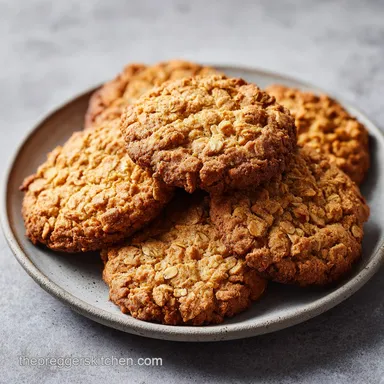
Oatmeal Cookies: Thick, Chewy and Healthy
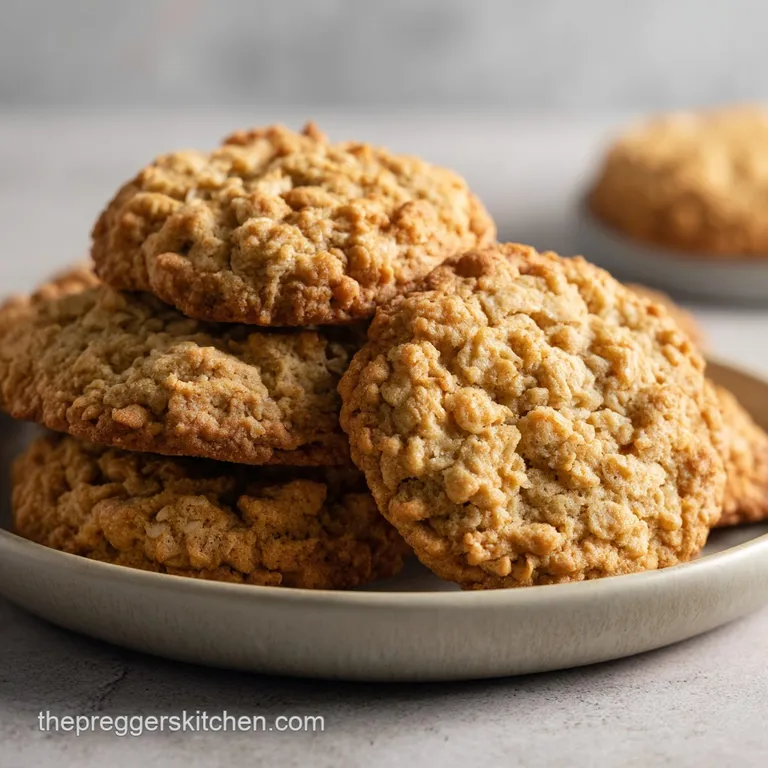
- Time: 15 min active + 30 min chilling = Total 55 minutes
- Flavor/Texture Hook: Nutty, toasted oats with velvety chocolate pockets
- Perfect for: Mid day cravings or school lunchboxes
That first whiff of toasted cinnamon hitting the air is basically a hug in a kitchen. I remember the first time I tried to make these for a potluck, I was so impatient that I skipped the chilling step. I ended up with a single, giant, cinnamon flavored pancake covering half my baking sheet.
It was a disaster, but it taught me that patience is the only way to get those thick, chewy Oatmeal Cookies we actually want. Once I started resting the dough, the difference was night and day, turning a flat mess into something with real structure.
The Secret to Chewy Oatmeal Cookies
Right then, let's talk about why this specific method works. Most people just throw everything in a bowl and bake, but there are a few things happening under the hood that make these different.
- Sugar Pull: Dark brown sugar has more molasses, which grabs onto moisture and keeps the center from drying out.
- Oat Soak: Letting the dough sit for 30 minutes allows the rolled oats to soften, so they don't feel like cardboard.
- Flour Choice: Using whole wheat pastry flour gives a nutty taste but has less protein than regular whole wheat, meaning the cookies stay tender.
- Fat Stability: Using softened butter instead of melted butter traps air during creaming, which helps the cookies lift.
| Fresh Method | Shortcut Method | Texture | Best For |
|---|---|---|---|
| Chilled Dough | Room Temp Dough | Thick & Chewy | Treat days |
| Whole Wheat Pastry | All Purpose | Lighter/Airy | Quick snacks |
| Hand Folded | Machine Mixed | Chunky/Textured | Gifting |
Component Analysis
I've found that the balance of fats and sugars is where most people go wrong. If you use too much white sugar, they get crisp; too much brown, and they get cakey.
| Ingredient | Science Role | Pro Secret |
|---|---|---|
| Dark Brown Sugar | Moisture/Chew | Pack it tight for more molasses |
| Rolled Oats | Structure/Bulk | Don't use instant oats or they'll mush |
| Baking Soda | Lift/Browning | Sift it to avoid bitter clumps |
| Softened Butter | Aeration | Should dent when pressed, not melt |
Tool List
You don't need a professional kitchen for this, but a few basics make the process way smoother. Honestly, don't even bother with low-fat substitutes for the butter, as it ruins the texture.
- Electric hand mixer (or a stand mixer such as KitchenAid)
- Two large mixing bowls
- Parchment paper (essential to stop sticking)
- Baking sheets
- Wire cooling rack
- Tablespoon or cookie scoop
Baking Process
Let's crack on. The goal here is to avoid overworking the dough, which can make your Oatmeal Cookies tough.
Preparing the Base
- Cream the softened butter with dark brown sugar and coconut sugar using an electric mixer until the mixture is pale and velvety. Note: This traps air for a better lift.
- Beat in the egg and vanilla extract until the mixture is fully emulsified and smooth.
Integrating Dry Ingredients
- In a separate bowl, whisk together the whole wheat pastry flour, baking soda, cinnamon, and sea salt.
- Slowly fold the dry flour mixture into the wet ingredients until just combined. Note: Stop as soon as the flour streaks disappear.
- Stir in the rolled oats, dark chocolate chips, and chopped walnuts by hand.
Resting and Baking
- Chill the dough in the refrigerator for 30 minutes until the dough feels firm to the touch.
- Preheat oven to 350°F (175°C) and line baking sheets with parchment paper.
- Scoop rounded tablespoons of dough onto the sheets, spacing them 2 inches apart.
- Bake for 10–12 minutes until edges are golden brown but centers remain slightly underbaked.
- Allow cookies to set on the pan for 5 minutes until they stop wobbling before transferring to a wire cooling rack.
Fixing Texture Issues
But what about the sogginess? Or the spreading? We'll get to that. Most issues happen because of temperature or mixing.
Troubleshooting Common Issues
| Issue | Solution | |||
|---|---|---|---|---|
| Why Your Cookies Spread | If your cookies look like pancakes, your butter was likely too warm or you skipped the chill. Cold dough keeps the fat solid longer in the oven, giving the structure time to set. | |||
| Why Your Cookies Are Hard | Overbaking is the enemy here. If you wait until the center looks "done," they'll be rocks by the time they cool. Pull them out when the middle still looks a bit soft. | |||
| Why Your Dough is Grainy | This happens when the butter is too cold to cream properly with the sugar. Make sure your butter is room temperature, or the sugar crystals won't dissolve into the fat. | Problem | Root Cause | S |
Ingredient Swaps
If you're missing something, don't panic. You can still make great Oatmeal Cookies with a few tweaks. For those who prefer a different style, my Healthy Breakfast Cookies are a great alternative for morning energy.
| Original Ingredient | Substitute | Why It Works |
|---|---|---|
| Dark Brown Sugar | Maple Sugar | Similar deep flavor. Note: Slightly less moisture |
| Whole Wheat Pastry | All Purpose Flour | Lighter taste. Note: May spread a bit more |
| Walnuts | Pecans | Buttery crunch. Note: Same texture |
| Coconut Sugar | Light Brown Sugar | Sweetness match. Note: Less caramel depth |
If you want a more indulgent twist, you could swap the walnuts for extra chocolate or even a swirl of peanut butter.
Adjusting Batch Size
Scaling these can be tricky because of the egg. If you're making a smaller batch, don't just guess the egg amount.
Scaling Down (1/2 Batch): Use 60g butter, 50g brown sugar, 25g coconut sugar, 62g flour, and 135g oats. For the egg, beat one egg in a small bowl and use exactly half (about 25g). Reduce bake time by about 20%.
Scaling Up (2x Batch): Double everything except the salt and cinnamon, which you should only increase to 1.5x to avoid an overpowering taste. Work in batches so you don't crowd the oven, as too many trays can drop the temperature.
When baking larger batches of Oatmeal Cookies, lower the oven temp to 325°F (160°C) and extend the time by 2-3 minutes.
Common Beliefs
There are a few things people say about these cookies that just aren't true. Trust me on this, I've tried it all.
First, some say you should grind your oats into flour for a "better" texture. Honestly, don't do it. The whole rolled oats are what give these their signature chew and heartiness.
Second, you might hear that melted butter makes them chewier. While it does create a denser cookie, it also makes them spread more. Creaming softened butter is the only way to get that thick, bakery style lift.
Save and Store
To keep that velvety center, storage is everything. Once your Oatmeal Cookies have cooled, store them in an airtight container at room temperature for up to 5 days.
For longer storage, these freeze beautifully. I recommend freezing the raw dough balls on a tray first, then tossing them into a freezer bag. You can bake them straight from frozen, just add 2-3 minutes to the cook time.
As for zero waste, if you have leftover chopped walnuts or chocolate chips, toss them into your morning porridge or a smoothie. If you have a bit of dough left that's too small for a cookie, just flatten it into a "test coin" and bake it first to check the oven temp.
Final Touches
To make these look like they came from a cafe, press a few extra chocolate chips into the tops immediately after they come out of the oven. The heat will make them melt slightly, creating a glossy finish.
For a little extra flair, a tiny pinch of flaky sea salt on top cuts through the sweetness of the coconut sugar beautifully. If you're serving these for a holiday, they pair well with a glass of cold milk or alongside some Cinnamon Roll Sugar Cookies for a dessert platter.
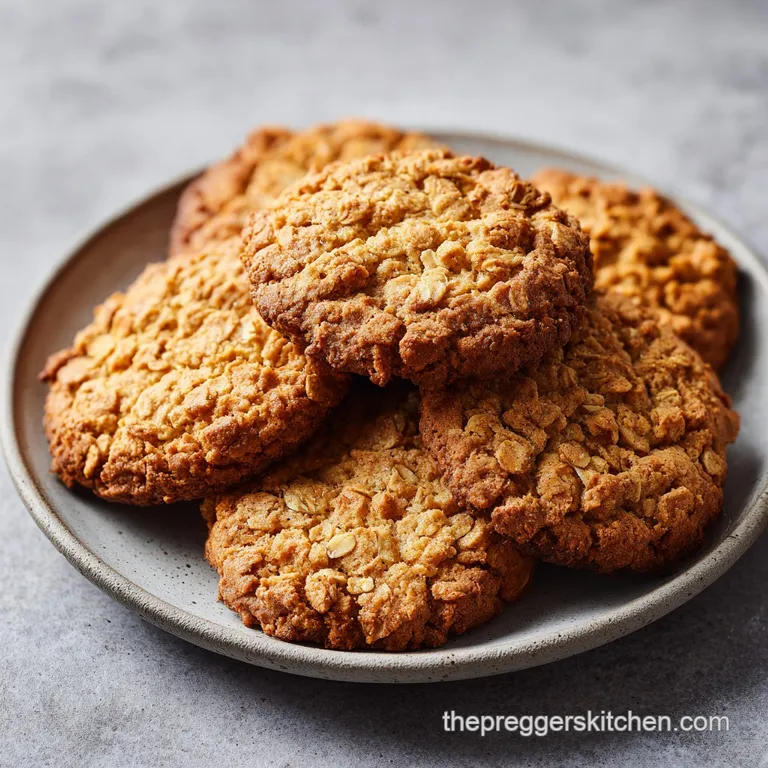
The final result should be a cookie that has a slight shatter when you bite into the edges, but a soft, dense center that feels rich and satisfying. Enjoy your homemade Oatmeal Cookies!
Recipe FAQs
Why do I need to chill the dough?
It hydrates the oats and prevents spreading. Chilling for 30 minutes ensures the butter stays solid longer in the oven, resulting in a thicker cookie.
Can I use regular wheat flour instead of whole wheat pastry flour?
Yes, but the texture will be denser. If you enjoyed controlling the crumb structure here, the same flour ratio logic applies to our cake mix cookies.
How to prevent the cookies from spreading too much?
Chill the dough for 30 minutes before baking. Ensure your butter is softened but not melted to keep the structure intact during the first few minutes of baking.
Is it true that I should bake them until the center is firm?
No, this is a common misconception. Pull them out when edges are golden but centers remain slightly underbaked; they will finish setting on the pan.
How to store these cookies to keep them soft?
Place them in an airtight container at room temperature. Avoid the refrigerator, as it can dry out the rolled oats and dark chocolate chips.
Why is my dough grainy after creaming?
The butter was likely too cold. Ensure butter is properly softened so it can fully emulsify with the dark brown and coconut sugars.
How to get the perfect golden edge without overbaking?
Bake for 10 12 minutes at 350°F (175°C). Let the cookies set on the baking sheet for 5 minutes before transferring them to a wire cooling rack.
Thick And Chewy Oatmeal Cookies