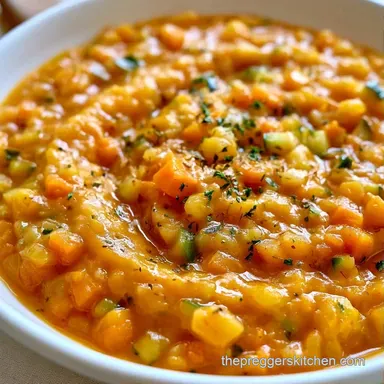
Baby Bolognese with Hidden Vegetables
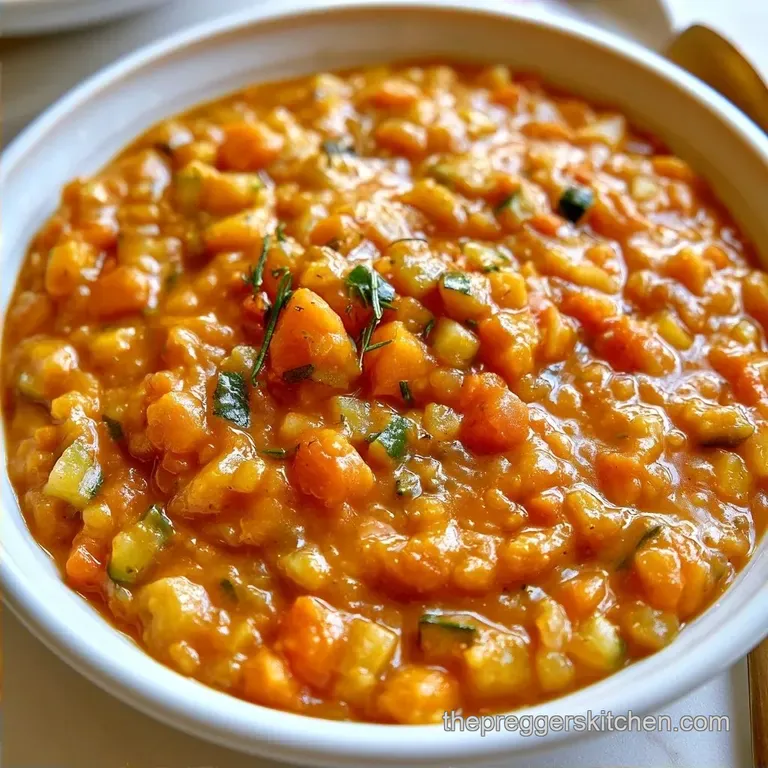
- Time: 15 min active + 50 min simmering
- Flavor/Texture Hook: Savory and smooth
- Perfect for: Baby led weaning and batch meal prep
It is 4 PM on a rainy Tuesday. You're exhausted, the baby is fussing, and you realize you have nothing nourishing in the fridge that they can actually eat. I've been there. The mental load of planning separate meals while dealing with sleep deprivation is real.
That's where a big batch of Baby Bolognese saves the day. It's the kind of meal that lets you breathe. You spend a few minutes chopping, let it simmer while you tackle a diaper change, and suddenly you have a week's worth of iron rich dinner.
We're focusing on nutrient density here. By blending savory beef with a rainbow of softened vegetables, we create a meal that supports growth and brain development. It's simple, honest food that actually works for busy parents.
Baby Bolognese Nutrient Logic
Iron Rich Base: Lean beef provides heme iron, which is easier for babies to absorb. Pairing it with tomato based acidity helps that absorption even more. If you need other iron rich ideas, this pairs well with a Spanish Omelette for babies.
Veggie Breakdown: Finely dicing carrots, celery, and zucchini allows them to soften completely. They meld into the sauce, providing folate and vitamins without the chunky texture that often leads to spitting out food.
Controlled Acidity: Using crushed tomatoes instead of a pre made sauce keeps the sodium low. This protects developing kidneys while introducing the natural tang of cooked tomatoes.
Precision Cooking Specs
Precision matters when you're cooking for a baby, especially with texture and timing. I've found that sticking to these windows prevents the sauce from becoming too dry or the vegetables staying too hard.
| Goal | What to change |
|---|---|
| Smoother texture | Blend for 60 seconds |
| Thicker sauce | Simmer 10 mins extra |
| Milder flavor | Double the zucchini |
A quick note on the method. While some people suggest oven braising, the stovetop is better for this specific recipe.
| Method | Control | Result |
|---|---|---|
| Stovetop | High | Easy to adjust thickness |
| Oven | Low | Harder to monitor consistency |
Ingredients and Smart Swaps
I use lean ground beef to keep the fat content manageable for small tummies. For the vegetables, a mix of root and squash provides a broad spectrum of micronutrients.
What Each Ingredient Does
| Component | Purpose | Substitute Notes |
|---|---|---|
| Lean Ground Beef | Iron and Protein | Ground turkey: Leaner but less iron |
| Crushed Tomatoes | Vitamin C and Base | Tomato purée: Smoother but less body |
| Zucchini | Micronutrients | Cauliflower: Similar texture, milder taste |
| Carrots | Beta carotene | Sweet potato: Sweeter, thicker sauce |
Full Ingredient List
- 1 tbsp extra virgin olive oil
- 1/2 small onion, finely diced (60g) Why this? Adds a savory base without overpowering
- 1 medium carrot, finely diced (60g) Why this? Natural sweetness and Vitamin A
- 1 stalk celery, finely diced (30g) Why this? Adds depth and mineral content
- 1 small zucchini, finely diced (85g) Why this? Softens completely for easy blending
- 1 clove garlic, minced (5g)
- 1/2 lb lean ground beef Why this? High iron content for growth
- 1 can (14 oz) crushed tomatoes
- 1/2 cup water
- 1 tsp dried oregano
- 1 tsp dried basil
Substitution Guide
| Original Ingredient | Substitute | Why It Works |
|---|---|---|
| Lean Ground Beef | Lentils (cooked) | Great for vegetarians. Note: Lower protein density |
| Extra Virgin Olive Oil | Avocado Oil | Similar smoke point. Note: Neutral flavor |
| Dried Oregano | Fresh Oregano | More aromatic. Note: Use 1 tbsp fresh per 1 tsp dried |
The Right Kitchen Tools
While you don't need specialized equipment, a few key tools can make preparing Baby Bolognese much easier.
A heavy-bottomed pot is essential to stop the beef from sticking and to distribute heat evenly during the long simmer. I typically use a 3 quart saucepan.
For the perfect consistency, an immersion blender is a great asset, letting you adjust the sauce from chunky to a smooth purée right in the pot. If you lack one, a standard blender works, though use caution with hot liquids.
A sharp chef's knife or a small food processor is helpful for finely dicing the vegetables. The smaller the dice, the more they "disappear" into the sauce.
Step by step Cooking
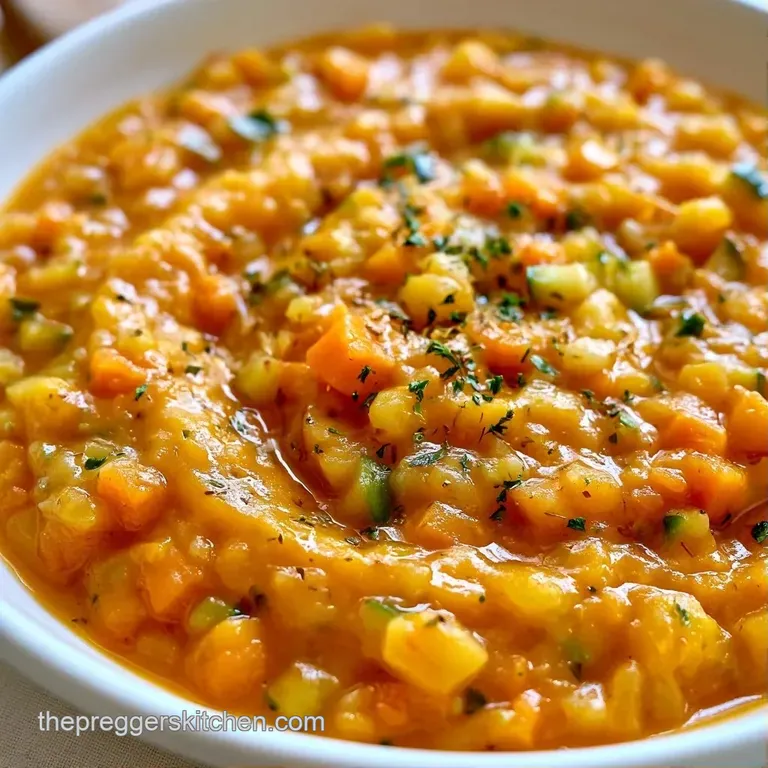
Let's dive in. Don't rush the prep; the chopping is the only part that takes some real work.
1. Softening the Aromatics
Warm the olive oil over medium heat. Stir in the diced onion, carrot, celery, and zucchini. Sauté for 6-8 minutes until the vegetables are translucent and soft. Mix in the minced garlic and cook for 30 seconds. Note: Garlic burns fast, so keep it moving.
2. Browning the Protein
Bump up the heat slightly and stir in the ground beef. Use your spoon to break the meat into the smallest crumbles possible, stirring frequently. Cook until the meat is no longer pink and has reached a mahogany colored sear.
3. The Slow Simmer
Combine the crushed tomatoes, water, oregano, and basil. Drop the heat to low, cover with a lid, and let it simmer gently for 30-40 minutes until the sauce has thickened and vegetables are completely softened.
4. Texture Adjustment
For the youngest babies, use an immersion blender to pulse the Baby Bolognese sauce. You can maintain a chunky texture for older babies or create a completely smooth purée for those just starting solids.
Chef's Tip: If the sauce seems too thick after simmering, add a tablespoon of the pasta cooking water to loosen it up.
Fixing Texture and Taste
Sometimes the ingredients don't cooperate. Canned tomatoes vary by brand, and meat can behave differently depending on the fat content.
Fixing High Acidity
Some tomato cans are more acidic than others. This can be too sharp for a baby's palate. If the Baby Bolognese tastes too tart, stir in a tiny pinch of cinnamon or a teaspoon of grated apple. The natural sugars neutralize the acid without adding refined sugar.
Managing Meat Chunks
If the beef is still too chunky for your baby's current stage, don't panic. Simply pulse the sauce with a blender for another 30 seconds. For Baby Led Weaning, some texture is good, but it should always be soft enough to mash between your fingers.
Correcting Thick Sauce
If you simmered it too long and it's more like a paste than a sauce, just whisk in a bit of warm water. Do this slowly so you don't dilute the flavor of the Baby Bolognese too much.
| Problem | Root Cause | Solution |
|---|---|---|
| Sauce is too tart | High acidity in tomatoes | Add grated apple or cinnamon |
| Meat is too chunky | Not broken down during browning | Pulse with immersion blender |
| Sauce is too thick | Too much evaporation | Stir in warm water or pasta water |
Customizing the Sauce
Once you've got the basic Baby Bolognese down, you can tweak it to keep things interesting.
Diet Swaps
For a dairy-free version, this recipe is already set. If you want to increase the healthy fats, stir in a teaspoon of unsalted butter or a drizzle of extra olive oil at the end. For a poultry version, swap beef for ground turkey, though you'll lose some of that iron punch.
For Transitioning Toddlers
As your baby grows into a toddler, you can add a pinch of salt or some grated Parmesan cheese. This is a great time to introduce more complex flavors. While the baby eats their sauce, you can make a pregnancy safe pizza for yourself as a reward for the hard work.
For Baby Led Weaning (BLW)
If you're doing BLW, serve the Baby Bolognese over thick pasta shapes like fusilli or penne. These are easier for small hands to grip than slippery spaghetti. You can also smear the sauce on a piece of steamed broccoli.
Storage and Zero Waste
Batch cooking is a lifesaver during the baby phase, and this Baby Bolognese is ideal for freezing.
Keep leftovers chilled in an airtight glass container for 3 days. For longer-term storage, pour the sauce into silicone ice cube trays. Once solid, transfer the cubes into a freezer bag where they will keep for 3 months.
To reheat, place a frozen cube in a small saucepan with a bit of water over low heat, stirring constantly until warmed through.
Save your vegetable scraps instead of throwing them away. Collect onion skins, carrot ends, and celery tops in a freezer bag. When full, boil them in water to create a basic vegetable stock for your next batch of Baby Bolognese.
Serving Suggestions
The way you present Baby Bolognese depends on where your child is in their weaning process.
For infants 6-8 months old, provide it as a silky puree, served alone or mixed with formula or breast milk for a familiar taste.
For those 9-12 months old, pair it with tender orzo or star-shaped pasta. These tiny shapes are easier for them to handle and absorb the sauce beautifully.
For toddlers 1 year and older, traditional spaghetti is a great choice. Simply chop the pasta into small pieces to ensure it's safe. You can also use the sauce as a dip for soft toast or steamed carrot sticks.
Your baby will surely love the rich, savory flavor of this Baby Bolognese. It is a nutritious and hearty meal that helps simplify the evening rush. Just ensure the texture is age-appropriate and enjoy the success of a happy mealtime.
Recipe FAQs
At what age can babies eat bolognese?
Babies can usually enjoy this around 6 months once they begin solids.
Tip: Start with a completely smooth puree and gradually introduce texture as they grow.
Can you blend bolognese for a baby?
Use an immersion blender to pulse the sauce to your baby's desired consistency.
Tip: Blend the vegetables and beef together until the meat crumbles are tiny.
Is it true that 6-month-olds cannot have spaghetti sauce?
No, this is a common misconception. Simple, salt-free vegetable and meat sauces are healthy first foods.
Tip: Avoid store-bought versions that contain hidden sugar or high sodium.
What are the best meal options for 9-month-olds?
Soft-cooked proteins and veggie-rich sauces like this bolognese are excellent choices.
Tip: If you enjoyed controlling texture here, see how we use similar soft-cook principles in our vegetable fritters.
Can I substitute the ground beef?
Cooked lentils work well as a vegetarian alternative to maintain a similar texture.
Tip: Ensure the lentils are fully softened to prevent choking hazards.
Is it a fact that baby led weaning can start at 4 months?
Surprisingly, no. Most experts recommend waiting until 6 months when babies have better head control.
Tip: Watch for signs of readiness, like pushing food back with the tongue.
Baby Bolognese for 4 Servings