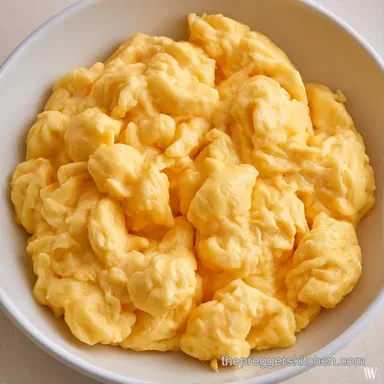
Tender Scrambled Eggs for Babies
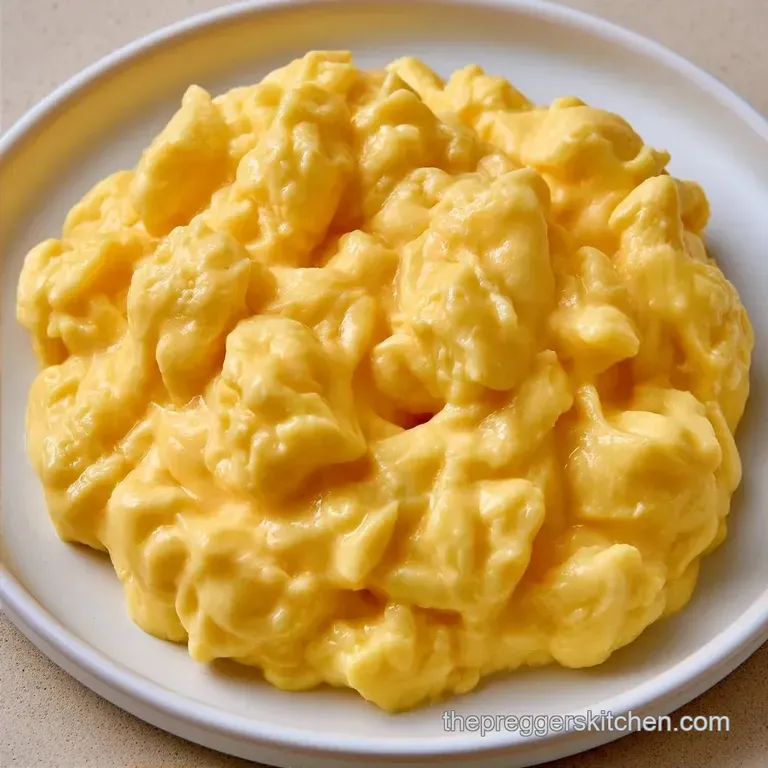
- Time: 2 min prep + 5 min cook
- Flavor/Texture Hook: Soft, moist curds that melt in the mouth
- Perfect for: Baby Led Weaning (BLW) protein introduction
The sound of butter sizzling in a pan typically signals a great breakfast. But when you're making Scrambled Eggs for Babies, the priority is moisture over a golden brown crust. I once cooked a batch until they were firm, thinking it was a safer option, but my little one immediately spat them out.
As it turns out, the rubbery feel of overcooked eggs can be a sensory struggle for infants. They need a texture that is easy to gum without much effort. If you're wondering how to cook egg for baby first time, the key is to go "low and slow."
This approach encourages maternal wellness by providing an iron rich, folate packed meal that is easy to whip up even when you're exhausted. We are aiming for a result that is wholesome and nourishing, not fancy.
It fits perfectly into a rotation of Baby Led Weaning Recipes without requiring any specialty kitchen tools.
Quick Guide to Soft Scrambled Eggs
For this recipe, we're prioritizing a very specific window of doneness. If you go too far, you lose the softness. If you stop too early, it's too liquid.
| Method | Time | Texture | Best For |
|---|---|---|---|
| Fast/High Heat | 2-3 min | Firm/Dry | Toddlers/Adults |
| Low/Slow | 5 min | Soft/Moist | Babies/BLW |
The goal is a soft set curd that doesn't cling to the roof of the mouth. Trust the residual heat of the pan to do the final bit of work.
The Logic Behind the Softness
Temperature Control: Keeping the heat low stops the egg proteins from bonding too tightly and squeezing out moisture. Added Hydration: The milk creates a barrier between protein strands, ensuring these Scrambled Eggs stay tender.
Using a bit of fat from the butter helps an Egg for Babies glide down easier, reducing the risk of gagging. It's a simple way to ensure they stay nourished without struggling with the texture.
The Right Ingredients for Baby
Since we're focusing on nutrient density, whole milk is a great choice here. It adds a bit of richness and vitamin D.
| Ingredient | Role | If You Don't Have It |
|---|---|---|
| Large Eggs | Main protein | Tofu (for vegan) |
| Whole Milk | Moisture/Fat | Breast milk or formula |
| Unsalted Butter | Non stick/Flavor | Avocado oil |
- 2 large eggs
- 1 tbsp whole milk Why this? Adds creaminess and essential fats for brain growth
- 1 tsp unsalted butter Why this? Prevents sticking and adds a rich taste
Note: If you're making scrambled eggs for babies with milk, just ensure they've already been introduced to dairy.
Gear for the Easiest Prep
You don't need a professional setup, but a few things make this a lot easier. A small non stick skillet is mandatory here because the eggs are so soft they can easily stick to stainless steel.
I recommend a silicone spatula. It's flexible enough to push the eggs without tearing the curds. A simple mixing bowl and a fork or whisk will handle the rest. Honestly, don't bother with a handheld mixer; it's overkill for two eggs.
How to Cook the Eggs
- Crack the eggs into the mixing bowl. Add the milk. Whisk vigorously for 30 seconds until the mixture is uniform and slightly frothy. Note: This incorporates air for a lighter feel.
- Place a small non stick skillet over low heat and add the unsalted butter.
- Once the butter is melted and foaming, pour in the egg mixture. Let the eggs sit undisturbed for about 20 seconds until the edges just begin to set.
- Using a silicone spatula, gently push the eggs from the outer edges toward the center, creating large, soft folds. Continue this slow movement for 2–3 minutes.
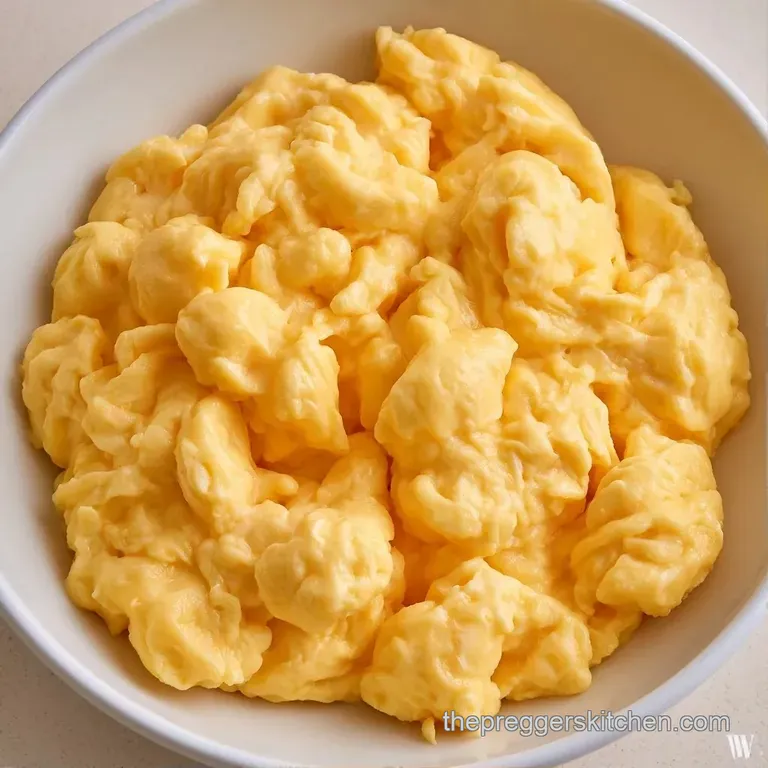
- Remove the pan from the heat when the Scrambled Eggs look slightly wet. The residual heat will finish them to a velvety consistency.
Chef's Note: To deepen the nutritional value, you can stir in a teaspoon of nutritional yeast for a cheesy flavor and extra B vitamins.
Fixing Texture Issues
The biggest hurdle here is heat management. If the pan is too hot, the eggs will seize up instantly.
Dry Scrambled Eggs
When the eggs look like sponges, the heat was too high. They've lost their internal moisture.
Too Liquidy
If the eggs aren't holding a shape, they need another 30 seconds of residual heat.
| Problem | Fix |
|---|---|
| Brown edges | Lift pan off heat; add 1 tsp milk |
| Rubbery texture | Lower heat to the absolute minimum |
| Eggs sticking | Use a better non stick pan or more butter |
If your Scrambled Eggs are browning, stop immediately. Just slide the pan off the burner.
Storage and Reheating Tips
Place any extra Scrambled Eggs in a small glass container. Keep them chilled for a maximum of 2 days.
Skip the freezer for this dish. Freezing and thawing ruins the texture, making the eggs watery and grainy.
Avoid the microwave for reheating if possible, as it often overcooks the outer edges while the middle stays cold. Instead, warm them in a pan over low heat with a touch of butter for 1 minute to preserve their moisture.
Simple Mix ins and Swaps
Depending on the age of your baby, you can add some nutrient dense boosters.
- For an Iron Boost: Stir in a tablespoon of finely chopped steamed spinach.
- For Omega-3 Support: Add a pinch of ground flaxseeds to the raw mixture.
- For Allergic Sensitivities: Use a dairy-free butter alternative and unsweetened almond milk.
If you want to try other egg styles, my Spanish Omelette recipe is another great way to introduce vegetables. For those looking for easy scrambled eggs for babies 6 months or scrambled eggs for babies under 1, keep the additions simple and well mashed.
Quick Adjustments:
- More moisture? → add 1 extra tsp of milk
- Thicker curds? → cook for 30 seconds longer
- Less fat? → swap butter for a spray of olive oil
Pairing for a Balanced Plate
To create a well rounded meal, serve this protein with some soft fruit or a source of healthy fat. Sliced avocado is always a wonderful choice.
If you want to dress things up for a family brunch, you can top the adults' portions with some safe hollandaise sauce. For the baby, simply serve the eggs with a few steamed carrot coins.
There you have it a dish that's easy on the stomach and loaded with the energy a growing baby needs. These Scrambled Eggs are a dependable favorite for any parent.
Recipe FAQs
Can babies eat scrambled eggs?
Yes, they are a great source of protein. Ensure they are fully cooked through to avoid salmonella risks.
How to prepare scrambled eggs for a baby?
Whisk two eggs with one tablespoon of whole milk. Cook in a non-stick skillet with unsalted butter over low heat, pushing from the edges to the center.
What is the best way to serve eggs to a 6-month old?
Offer small, soft pieces or thin strips. This allows infants practicing baby led weaning to easily manage the texture.
Is it true that eggs should be cooked until completely dry for infants?
That's a myth. Remove the pan from heat while they look slightly wet so residual heat creates a velvety consistency.
How do I ensure the eggs are soft for a beginner eater?
Keep the heat on low throughout. Gently fold the eggs for 2 3 minutes instead of stirring rapidly to maintain a tender curd.
Which other egg-based meals work for a 9-month old?
Try soft cooked options like avocado egg toast. This provides healthy fats alongside the protein of the eggs.
Are scrambled eggs a healthy first food for babies?
Yes, they provide essential nutrients. They are easy to digest and soft enough for babies who are just starting solids.
Why do my baby's eggs turn out rubbery?
You are likely using heat that is too high. Low heat and gentle folding prevent the proteins from tightening too much.
Scrambled Eggs in 7 Minutes