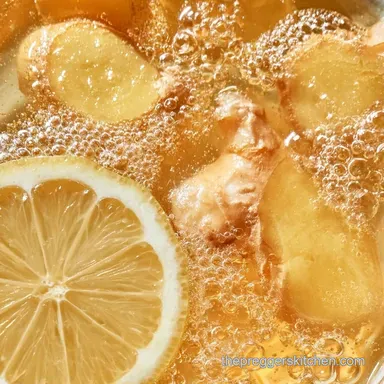
Honey Lemon Ginger Tea in 10 Minutes
- Time: 5 min active + 5 min cook
- Flavor/Texture Hook: Zesty, cozy, and silky
- Perfect for: Morning nausea, sore throats, or gloomy afternoons
Have you noticed how the scent of simmering ginger can turn a kitchen into a peaceful retreat? A few months back, while dealing with the heavy fatigue of pregnancy, I found that most smells were off-putting. I wanted a beverage that felt nourishing and energizing, but without the jitters associated with caffeine.
I’ve tested a few methods, but the secret is in the heat. Boiling the lemon or honey destroys those bright, fresh notes. This Honey Lemon Ginger Tea has become a staple for me because it's efficient and hits every right note.
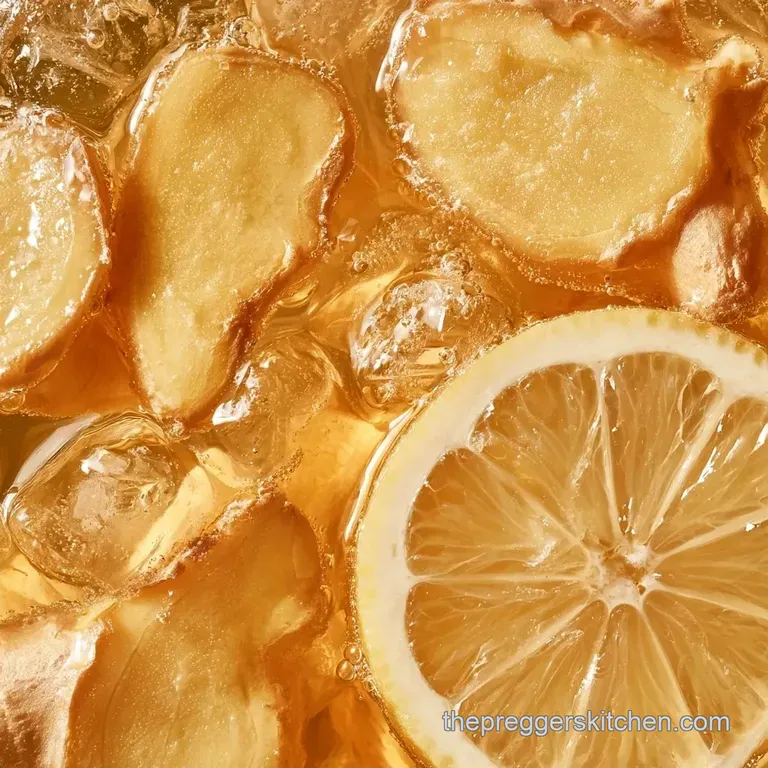
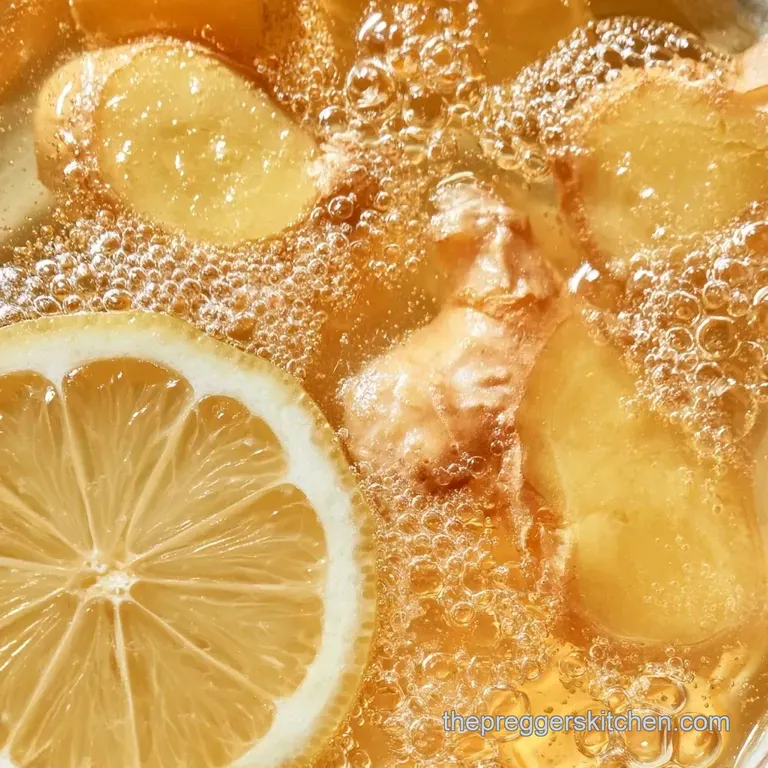
It’s a straightforward combination of three whole ingredients: the sharp heat of ginger, the tang of lemon, and the mellow finish of raw honey. It’s essentially a hug in a mug.
Honey Lemon Ginger Tea Specs
The goal here is precision. To get the right strength, you need exactly 480ml of water for every 15g of ginger. If you use too much water, it tastes like lemon water. Too little, and the ginger becomes overwhelming.
Keep an eye on these checkpoints: 1. Simmer for exactly 5 minutes. 2. Remove from heat before adding lemon. 3. Stir honey in only after the liquid is off the stove.
Gathering Your Essentials
I prefer raw, unfiltered honey for this. It has a thicker consistency and keeps those natural enzymes that processed honey loses. For the ginger, don't bother with the powder. Fresh root is where the real heat lives.
| Component | Purpose | Substitute Notes |
|---|---|---|
| Fresh Ginger | Adds warmth and spice | Ground ginger: Use 1 tsp; less pungent |
| Raw Honey | Smooths flavor and coats throat | Maple syrup: Vegan friendly but thinner |
| Fresh Lemon | Provides acidity and brightness | Lime juice: More tart, slightly different aroma |
Ingredients:
- 2 cups (480ml) Water
- 2 tbsp (15g) Fresh ginger root, peeled and thinly slicedWhy this? Thin slices increase surface area for faster infusion
- 1 tbsp (15ml) Freshly squeezed lemon juiceWhy this? Fresh juice has more active Vitamin C
- 2 tbsp (42g) Raw unfiltered honeyWhy this? Better texture and nutrient density
- 1 slice Fresh lemon
Needed Kitchen Tools
No specialized equipment is required for this. A small saucepan is ideal to prevent the water from evaporating too quickly. I prefer using a fine mesh strainer to remove the ginger pieces, although some people enjoy leaving them in.
A basic whisk or spoon is all you need for the honey. While you should avoid metal spoons when stirring pots over extreme heat, any spoon is perfectly safe here since we remove the pot from the heat first.
Step-by-step Instructions
Phase 1: Releasing the Heat
Place the water and sliced ginger in a small pot. Bring to a rolling boil over high heat, then quickly lower it to a simmer. Cook for 5 mins until the liquid turns a pale gold and becomes aromatic.
Phase 2: Adding the Citrus
Take the pot off the heat. Stir in the fresh lemon juice. Note: Doing this away from the heat preserves the delicate vitamins.
Phase 3: The Final Blend
Strain the mixture into two mugs to remove the ginger pieces. Stir in the raw honey until completely dissolved and the drink looks glossy.
The Finishing Touch
Add a fresh lemon slice to each mug for a bit of extra fragrance and a beautiful look.
Fixing Common Issues
If your tea tastes a bit "off," it's usually a temperature problem. The most common issue is bitterness, which happens if the lemon is boiled or the honey is overheated.
Another thing people struggle with is the ginger intensity. If it's too spicy, you might have sliced the ginger too thin or simmered it too long. If it's too bland, you likely didn't hit a full rolling boil before simmering.
Fixing Bitterness
Adding citrus to boiling water can create a bitter aftertaste. Always wait until the pot is off the burner.
Managing Ginger Heat
If the spice is too intense, add a splash more hot water or an extra teaspoon of honey to mellow it out.
| Problem | Root Cause | Solution |
|---|---|---|
| Bitter taste | Boiled lemon or honey | Add these only after removing from heat |
| Bland flavor | Under boiled ginger | Ensure a rolling boil before simmering |
| Cloudy liquid | Too much honey pulp | Strain the honey or use a filtered version |
Flavor Variations to Try
You can tweak this depending on what you're feeling. For a more soothing effect, I like adding a pinch of cinnamon. If you're dealing with nausea, this works wonders. You might also enjoy an easy morning sickness meal alongside this tea to settle your stomach.
Quick Adjustments:
- Extra tang? → add 1 tsp lemon zest
- More heat? → grate the ginger instead of slicing
- Thicker feel? → increase honey by 1 tbsp
If you need something more hydrating for a workout or pregnancy, a homemade electrolyte drink is a great alternative to this warming tea.
| Method | Flavor Profile | Effort |
|---|---|---|
| Stovetop | Deep, spicy, bold | Medium |
| Steeping | Mild, light, floral | Low |
Storage Guidelines
You can keep the ginger infused water in a glass jar in the fridge for 3 days. Just don't add the honey and lemon until you're ready to heat it up. This keeps the flavors fresh.
For zero waste, don't throw away the used ginger slices. I toss them into a compost bin or add them to a vegetable scrap bag in the freezer to make broth later. The lemon rinds can also be dried and used for baking or as a natural cleaner.
How to Serve and Enjoy
I love serving this in a clear glass mug so you can see the amber color. It's wonderful on its own, but if you're using it for a sore throat, sip it while it's still very warm.
For a bedtime ritual, brew it about 30 minutes before sleep. The warmth helps relax your muscles, and the honey can be soothing for a cough. Avoid adding milk, as it can curdle with the lemon juice and change the texture.
The Trick Behind the Texture
This tea’s texture is what sets it apart from a standard tea bag. By simmering the ginger root, we release gingerol, which gives the brew a slightly thicker, more robust body.
Raw Honey: Stirring in honey at the final stage creates a smooth, velvety coating for the throat, making it feel much more soothing than if sugar were used.
Heat Control: By separating the boiling and mixing phases, the lemon juice remains bright and the honey's enzymes stay active. This prevents the tea from developing a flat or metallic taste.
Recipe FAQs
How to make honey, ginger, and lemon tea?
Simmer sliced ginger in water for 5 minutes. Remove from heat, stir in lemon juice, strain, and mix in raw honey.
What are the benefits of this tea?
It effectively eases nausea and throat irritation. If you loved the soothing properties here, apply the same approach to nutrient dense morning drinks like our creamy smoothie.
Can I drink this blend frequently?
Yes, one to two cups daily is standard. Most people tolerate this amount well without any issues.
Is it true that ginger tea causes heartburn?
That's a myth. It typically aids digestion, although individuals with severe reflux may vary.
Honey Lemon Ginger Tea