Salmon and Spinach: a Healthy Pregnancy Meal
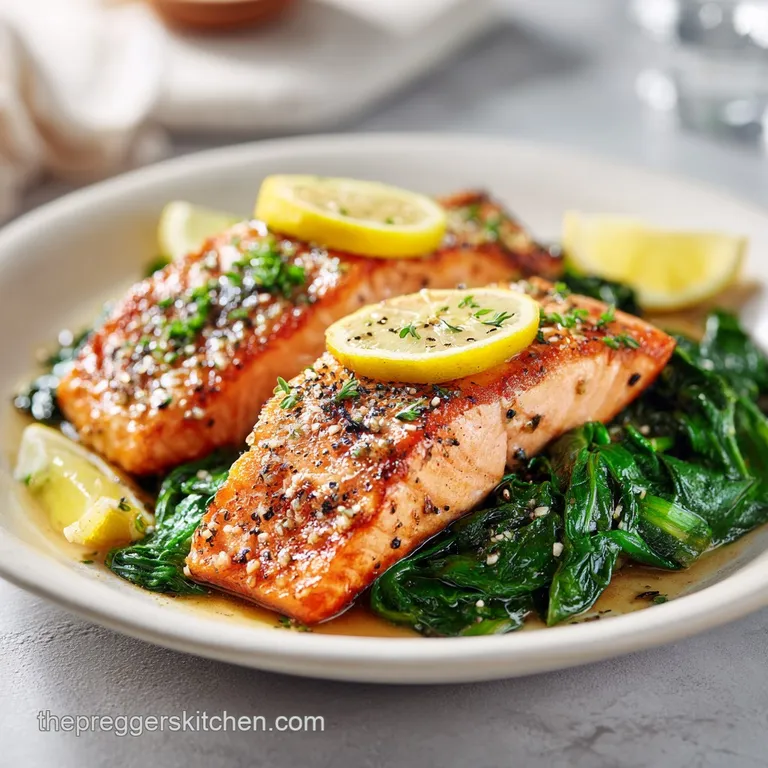
- Time: Active 5 minutes, Passive 15 minutes, Total 20 minutes
- Flavor/Texture Hook: Shatter crisp skin against buttery, lemon brightened greens
- Perfect for: Weeknight energy boosts and third trimester meal prep
- Easy and Quick Meal for Pregnant Moms with Salmon and Spinach
- Science of Searing Success
- Essential Component Analysis
- Nutrient Density Specification
- Precise Preparation Instructions
- Resolving Common Kitchen Errors
- Customizing Your Nutrition
- Debunking Common Kitchen Myths
- Safe Handling Guidelines
- Optimal Serving Ideas
- Recipe FAQs
- 📝 Recipe Card
Easy and Quick Meal for Pregnant Moms with Salmon and Spinach
The sound of cold salmon hitting a shimmering, hot skillet is one of those kitchen rhythms that never gets old, especially when you are craving something that feels substantial but won't leave you standing over a stove for an hour. Discover one stellar, easy salmon and spinach meal perfect for busy pregnant moms.
I remember during my first trimester, the thought of cooking anything complex was a non starter, but this specific technique saved my dinner routine. It is fast, efficient, and hits every nutritional note your doctor is likely nudging you about.
Forget everything you have heard about needing a culinary degree to cook fish at home without the skin sticking or the kitchen smelling like a pier. You don't need a fancy non stick pan or a mountain of spices to make this work. The magic happens in the preparation and the sequence of heat.
Most people think you have to overcook salmon to make it safe during pregnancy, but that is a total myth that leads to rubbery fillets. We are going for safety and texture simultaneously.
We are focusing on a method that prioritizes the Maillard reaction that beautiful browning on the skin while keeping the interior velvety. By the time the spinach hits the pan, the salmon is almost done, and the greens just need a quick wilt in the lemon garlic butter to reach peak flavor.
It’s a 20 minutes total process that feels like a luxury restaurant meal, but it’s really just smart science in a cast iron pan.
Science of Searing Success
Understanding how heat interacts with protein and fiber allows us to move faster in the kitchen without sacrificing quality. We aren't just "cooking" the food; we are managing moisture and enzyme activity to ensure every bite is packed with bioavailable nutrients.
- Thermal Surface Tension: Patting the salmon dry removes surface moisture that would otherwise turn to steam. Steam acts as a barrier to browning, so drying the skin is what allows it to shatter when you bite into it.
- Myoglobin Stabilization: Heating the salmon to exactly 145°F ensures all potential bacteria are neutralized while the proteins remain hydrated. This prevents the "white stuff" (albumin) from leaking out excessively.
- Ascorbic Acid Catalyst: Adding lemon juice at the very end doesn't just provide tang; the Vitamin C significantly increases the absorption of the non heme iron found in the spinach.
- Lipid Soluble Absorption: The ghee acts as a carrier for the fat soluble vitamins (A, D, E, and K) in the greens, making them easier for your body to process and share with your baby.
| Thickness | Internal Temp | Rest Time | Visual Cue |
|---|---|---|---|
| 1 inch | 145°F (63°C) | 3 minutes | Opaque center with flakes |
| 1.5 inches | 145°F (63°C) | 5 minutes | Flesh separates easily |
| 0.75 inch | 145°F (63°C) | 2 minutes | Light pink, no longer translucent |
Choosing the right cut of fish makes a massive difference in your cooking experience. I always recommend center cut fillets because they have a uniform thickness, which prevents the thin tail end from drying out while the thick part is still raw.
This consistency is your best friend when you are hungry and need a reliable result.
Essential Component Analysis
Every ingredient in this recipe serves a specific biological and culinary purpose. We aren't just adding things for the sake of it; we are building a profile that supports your wellness and satisfies your palate.
| Component | Science Role | Pro Secret |
|---|---|---|
| Salmon Fillets | high-quality protein & DHA | Keep skin on for structural integrity and fat |
| Fresh Baby Spinach | Folate and Iron source | Add at the very end to avoid chlorophyll loss |
| Ghee / Butter | Heat stable fat carrier | Use grass fed for higher Omega-3 content |
| Fresh Lemon | Acid for iron bioavailability | Zest the lemon before juicing for max aroma |
Nutrient Density Specification
Gathering your elements before you start the classic "mise en place" is the best way to keep this meal under the 20 minutes total mark. When you're pregnant, brain fog is real, so having everything measured out prevents those "where did I put the salt?" moments.
- 2 skin on salmon fillets (6 oz / 170g each): Why this? Essential for DHA and neurological development.
- Sub: Steelhead trout provides a similar fat profile and texture.
- 1 tbsp extra virgin olive oil: Why this? High smoke point and heart healthy fats.
- Sub: Avocado oil works perfectly for over high heat searing.
- 1/2 tsp Himalayan pink salt: Why this? Provides trace minerals and essential electrolytes.
- Sub: Sea salt is a fine alternative for clean salinity.
- 1/2 tsp cracked black pepper: Why this? Adds a gentle warmth without overwhelming heat.
- Sub: White pepper for a milder, more floral note.
- 5 oz fresh baby spinach: Why this? Vital for folate and preventing anemia.
- Sub: Finely chopped kale, though it requires 3 extra minutes of sautéing.
- 2 cloves garlic, thinly sliced: Why this? Contains allicin for immune support.
- Sub: 1/2 tsp garlic powder if you're in a massive rush.
- 1/2 fresh lemon, juiced and zested: Why this? Brightens the fats and aids iron absorption.
- Sub: 1 tbsp apple cider vinegar for a different kind of tang.
- 1 tbsp ghee or grass fed butter: Why this? Adds a velvety finish and helps wilt the greens.
- Sub: Coconut oil for a dairy-free, slightly tropical twist.
Precise Preparation Instructions
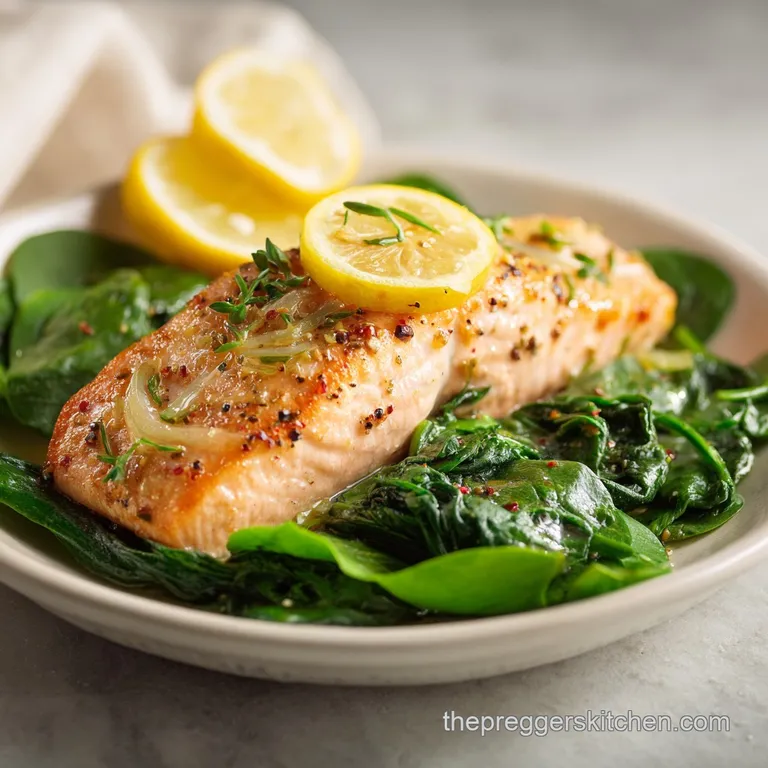
- Prep the salmon. Pat the salmon fillets extremely dry with a paper towel. Season both sides evenly with Himalayan pink salt and cracked black pepper. Note: Dry skin is the only way to achieve a crispy texture.
- Heat the pan. Heat the olive oil in a large stainless steel or cast iron skillet over medium high heat until it shimmers and just begins to smoke.
- Initiate the sear. Place the salmon skin side down in the skillet. Press firmly with a fish spatula for 10 seconds to ensure the skin stays flat and maintains contact.
- Develop the crust. Sear for 4–5 minutes without moving the fillets until the skin is crispy and mahogany colored.
- Flip the fish. Carefully flip the salmon using a thin spatula and reduce the heat to medium.
- Season the fat. Add the ghee and sliced garlic to the pan, stirring the garlic constantly to prevent burning.
- Wilt the greens. Add the fresh baby spinach, lemon juice, and lemon zest to the skillet.
- Finalize the cook. Sauté for 2-3 minutes until the spinach is wilted and the salmon reaches an internal temperature of 145°F.
- Rest the protein. Remove from heat and let the salmon rest for 2 minutes before serving.
Chef's Tip: If you’re worried about the fish sticking, leave it alone! The salmon will naturally "release" from the pan once the proteins have browned sufficiently. If you tug and it resists, give it another 30 seconds.
Resolving Common Kitchen Errors
Cooking for two (literally) means you want everything to go right the first time. If you run into trouble, it is usually a matter of temperature control or timing. This spinach based iron meal is another great way to practice these greens handling skills if you find the salmon intimidating at first.
Preventing Salmon Sticking
When fish sticks to the pan, it's almost always because the pan wasn't hot enough or the fish was too wet. When moisture meets a lukewarm pan, it creates a "glue" effect. By ensuring the oil is shimmering and the skin is bone dry, you create a steam barrier that lifts the fish up.
Managing Finished Temperature
Overcooking is the enemy of flavor. Since pregnancy requires a safe 145°F (63°C), use a digital thermometer. Insert it into the thickest part of the fillet. If you don't have a thermometer, look for the flakes to just begin separating when pressed gently with a fork.
Controlling Moisture Levels
Spinach is about 90% water. If you find your pan becoming a soup, your heat is too low. You want the water to evaporate as soon as the cell walls of the spinach break down. High heat and quick tossing are the secrets to vibrant, non watery greens.
| Problem | Root Cause | Solution |
|---|---|---|
| Rubbery skin | Excess moisture on surface | Pat dry with multiple paper towels |
| Burnt garlic | Heat too high or added too early | Add garlic only after flipping and reducing heat |
| Dry salmon | Internal temp exceeded 155°F | Pull off heat at 140°F; carryover will hit 145°F |
Common Mistakes Checklist
- ✓ Never put cold fish into a cold pan; let it sit out for 5-10 mins first.
- ✓ Don't skip the "press" step with the spatula; it prevents skin curling.
- ✓ Use a large enough pan so the spinach doesn't steam the salmon.
- ✓ Add the lemon juice last to keep the flavor bright and the greens green.
Customizing Your Nutrition
Adjusting this recipe for your specific needs or cravings is easy. If you are in your first trimester and struggling with smells, you can actually bake the salmon at 400°F (200°C) for 12-15 minutes instead of searing it.
It won't be as crispy, but it is much more passive.
Scaling Down (1 person): If you are flying solo, just cook one fillet but keep the spinach amount the same. You can never have too many greens! Reduce the oil and ghee by half, but keep the lemon and garlic levels high for flavor.
Scaling Up (4-6 people): When cooking for a crowd, work in batches. Don't crowd the pan, or the temperature will drop and the salmon will steam. Keep the first batch of salmon on a warm plate while you wilt a double portion of spinach. For more variety, you might consider pairing this with a salmon and spinach bake style approach if you need to feed more than four people at once.
Debunking Common Kitchen Myths
Myth: "You must wash salmon before cooking." Actually, washing raw fish can spread bacteria around your sink and counters. The heat of the pan (reaching 145°F) is what kills bacteria, not a rinse in the sink. Simply pat it dry with paper towels and discard them immediately.
Myth: "Frozen salmon is lower quality." In many cases, "fresh" fish at the counter has been sitting for days. Flash frozen salmon is often frozen on the boat, locking in the Omega-3s and nutrients. Just thaw it overnight in the fridge before using this recipe.
Safe Handling Guidelines
Leftover salmon is a polarizing topic, but it can be done safely. Store any remaining portions in an airtight container in the fridge for up to 2 days. To reheat without making it "fishy," do so gently in a pan over low heat with a splash of water and a lid.
This steams it back to life without overcooking the delicate fats.
For zero waste cooking, don't throw away the lemon rinds! Toss them into a jar of white vinegar for a natural kitchen cleaner, or use them to scrub your cutting board after prepping the garlic.
If you have leftover spinach that's looking a bit wilty, blend it into a morning smoothie with some ginger to help with morning sickness.
Optimal Serving Ideas
This meal is incredibly balanced on its own, but sometimes you need a little something extra to round out the plate. If you are in a phase where you need more carbohydrates, serving this over a bed of quinoa or alongside a roasted sweet potato is a fantastic move.
The sweetness of the potato cuts through the richness of the salmon beautifully.
For a crunch factor, I love topping the finished dish with a sprinkle of toasted pumpkin seeds (pepitas). They add an extra boost of magnesium and zinc, which are great for your blood pressure and immune system during pregnancy.
Just stay away from heavy, creamy sauces that might mask the fresh flavors we've worked so hard to build. A simple drizzle of high-quality olive oil and an extra squeeze of lemon is all you really need to let the ingredients shine.
It's a meal that respects your time, your body, and your baby’s development, all while tasting like something you'd order at a high end bistro.
Recipe FAQs
What temperature should I cook salmon to while pregnant?
Cook until the internal temperature reaches 145°F (63°C). This temperature ensures the fish is safe to eat while maintaining a tender, moist texture inside.
Is it true that I must overcook salmon to make it safe for pregnancy?
No, this is a common misconception. You do not need to turn the salmon into a dry, chalky mess; reaching an internal temperature of 145°F (63°C) is sufficient for food safety.
Why can't I eat salmon while pregnant?
False, salmon is actually recommended. It is a nutrient dense source of omega-3 fatty acids, which are highly beneficial for fetal development when prepared properly.
How to ensure the salmon skin gets perfectly crispy?
Pat the fillets extremely dry with a paper towel before seasoning. Heat your olive oil in a skillet until it shimmers, then press the salmon down with a spatula for 10 seconds to keep the skin flat while it sears for 4 5 minutes.
What is a good dinner for a pregnant woman that includes greens?
This salmon and spinach skillet is ideal because it pairs high-quality protein with iron rich greens. If you enjoyed mastering the searing technique here, see how we use similar fast cooking principles in our Easy Chicken Salad for Pregnancy Lunch.
How to cook salmon for dinner easily without a mess?
Use a single stainless steel or cast iron skillet for the entire process. By searing the salmon first and then adding the garlic, spinach, and lemon directly into the same pan, you minimize cleanup while maximizing flavor.
How to prevent the garlic from burning while sautéing the spinach?
Add the sliced garlic to the pan only after you have flipped the salmon and reduced the heat to medium. Keep the garlic moving in the ghee or butter, and add the fresh spinach immediately after to regulate the pan temperature.
Salmon And Spinach For Pregnancy
Ingredients:
Instructions:
Nutrition Facts:
| Calories | 488 kcal |
|---|---|
| Protein | 36.2 g |
| Fat | 35.8 g |
| Carbs | 4.1 g |
| Fiber | 1.8 g |
| Sugar | 0.6 g |
| Sodium | 645 mg |
